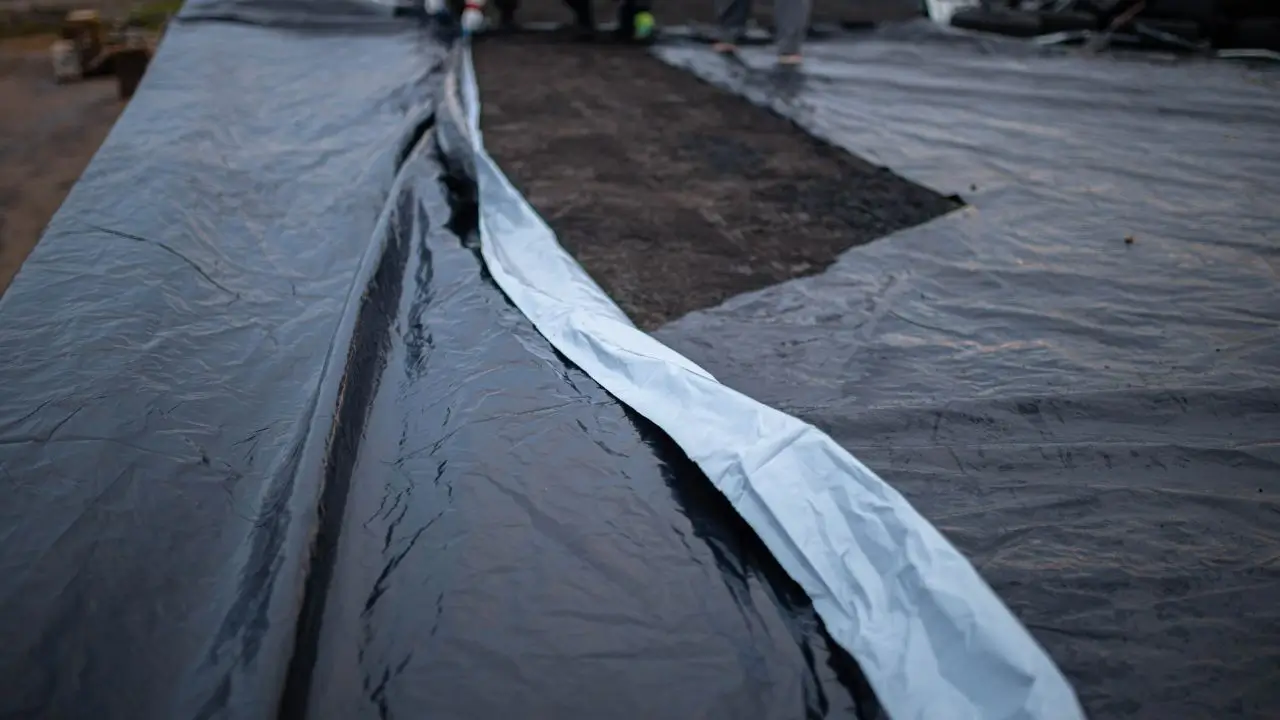
Choosing a waterproofing specialist in Singapore should begin with one question: what is allowing water into the property?
A ceiling stain, damp wall, leaking balcony or roof patch is only the visible symptom. Water can travel through concrete, joints, screed, roof details and concealed cavities before appearing indoors. The wettest-looking area is therefore not always the area that needs repair.
That is why a waterproofing specialist should diagnose before recommending a treatment.
A local concrete crack may respond to injection. A bathroom with widespread membrane failure may require more extensive waterproofing. A roof leak may involve joints, flashing or the waterproofing system itself. A damp external wall may require façade repair rather than work on the internal surface.
For homeowners, the better specialist is therefore not simply the contractor offering the lowest quotation or the least disruptive treatment. It is the one that can explain what has failed, why the proposed method suits that defect, what the quotation includes and how the repair will be assessed afterwards.
Allstar Waterproofing & Services provides wet-area waterproofing, roof waterproofing, water seepage and leakage repair, concrete repair and difficult-access exterior work in Singapore. The company states that its current process begins with a comprehensive inspection before a tailored repair scope is proposed.
This guide explains when you may need a waterproofing specialist, what the specialist should inspect, how common repair methods differ, what affects waterproofing cost, how to compare quotations and what homeowners should check before approving work.
What Does a Waterproofing Specialist Actually Do?
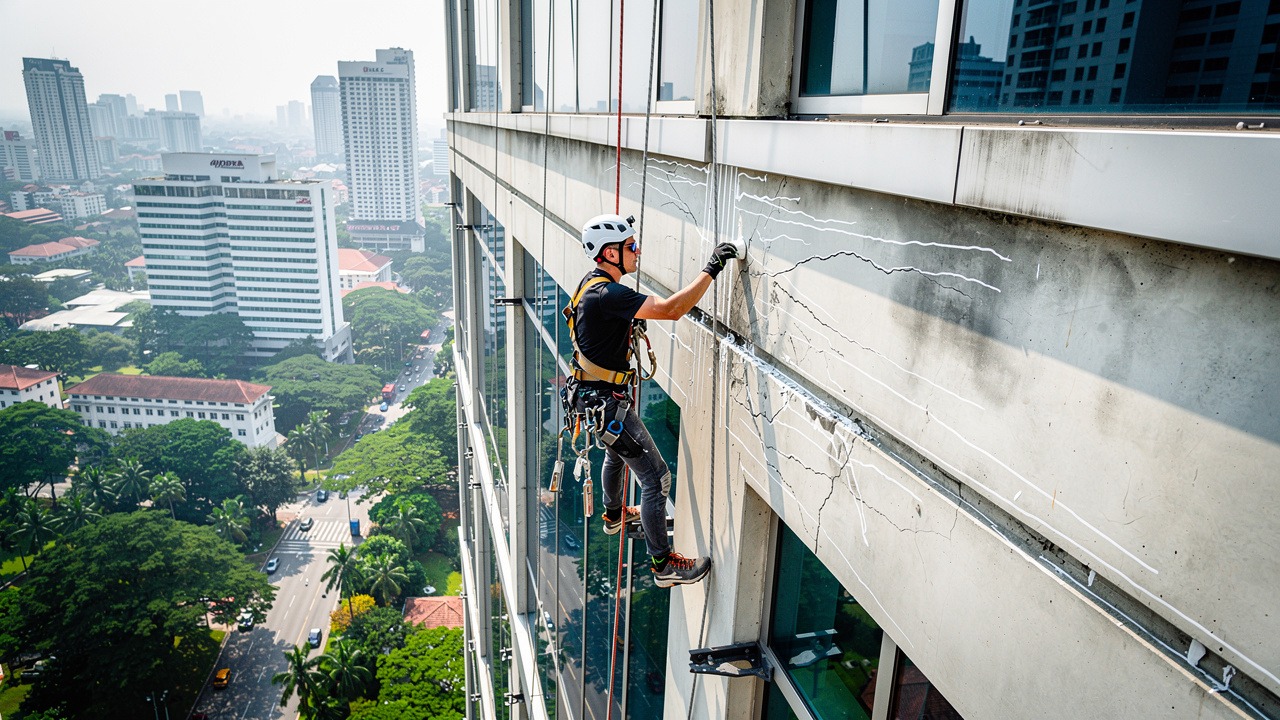
A waterproofing specialist investigates how water is entering or moving through a building and recommends a repair or protective system that addresses that specific defect.
The work may involve bathrooms, toilets, kitchens, balconies, swimming pools, roofs, external walls, concrete slabs, ceilings or difficult-to-reach façades.
The specialist’s role should therefore go beyond applying a waterproof coating.
A proper assessment considers the source of the moisture, condition of the substrate, existing waterproofing system, cracks or joints, access requirements, drainage and how much surrounding material may need repair or replacement.
The final treatment should be based on those findings.
This distinction matters because waterproofing products are not interchangeable.
A coating designed for a prepared roof surface does not automatically repair a concealed pipe leak.
PU injection used for an appropriate concrete crack does not replace an extensively failed bathroom membrane.
Likewise, hacking an entire wet area may be unnecessary when the defect is genuinely localised and a less invasive treatment can address it.
When Do You Need a Waterproofing Specialist?
A waterproofing specialist is worth considering when moisture repeatedly returns despite repainting, sealing or previous repair attempts.
Recurring ceiling stains, wet walls, water appearing after rainfall, bathroom leakage into the unit below, balcony seepage and persistent roof leaks are common reasons to arrange an assessment.
Specialist input becomes particularly useful when the source is unclear.
For example, the visible stain may appear several metres from the actual water-entry point.
You may also need specialist assessment where the problem involves a roof, façade, concrete slab or another building element that requires more than a simple cosmetic repair.
Multiple failed repair attempts are another warning sign.
If grout has repeatedly been replaced, cracks have been resealed or ceilings repainted without solving the moisture problem, it may be time to investigate the underlying pathway instead of treating the same symptom again.
Waterproofing Specialist or Plumber: Who Should You Call?
The correct trade depends on the suspected source.
A leaking pressurised water pipe, sanitary branch pipe or plumbing fitting may require a plumber.
Moisture entering through a failed bathroom waterproofing system, roof, concrete slab, wall joint, balcony or external façade is more likely to require waterproofing or building-repair expertise.
The challenge is that the visible symptom does not always make this distinction obvious.
A ceiling stain below a bathroom could involve waterproofing, drainage or plumbing.
A wet wall could come from an exterior defect or an internal pipe.
If the source is uncertain, the investigation should come before choosing the repair trade.
For HDB flats, owners are responsible for sanitary branch pipes within their units, while the Town Council maintains the main sanitary pipes. Plumbing-related defects should therefore be distinguished from leakage through shared building elements or waterproofing systems.
The 5-Point Waterproofing Specialist Check
A practical way to compare waterproofing specialists is to evaluate five areas: diagnosis, method fit, substrate preparation, scope and access, and warranty or follow-up.
1. Diagnosis
Can the specialist explain the likely source of the moisture?
The contractor should be able to describe what they believe has failed and what evidence supports that conclusion.
A ceiling stain alone is not a diagnosis.
The contractor may need to consider when the problem appears, what is located above or behind it, rainfall patterns, wet-area use, visible defects and previous repairs.
2. Method Fit
Does the proposed treatment actually match the defect?
PU injection may suit certain concrete cracks or joints.
A failed waterproofing membrane may require restoration or replacement.
A roof defect may require roof repair.
A plumbing problem requires plumbing.
A specialist should be able to explain why the recommended method is appropriate rather than simply presenting the company’s preferred product.
3. Substrate Preparation
What needs to happen before the waterproofing material is applied?
Surface preparation can strongly influence repair performance.
Loose material, cracks, failed sealants, damaged concrete, contamination or weak existing coatings may need treatment first.
A quotation that focuses only on the final waterproofing product but says little about preparation deserves closer examination.
4. Scope and Access
What area will actually be repaired?
Will hacking be required?
Is reinstatement included?
For a roof or façade, is scaffolding, mechanical access or rope access required?
The scope should be clear enough that the homeowner understands what is included in the quoted price.
5. Warranty and Follow-Up
What happens after the repair?
Ask what area is covered by the warranty, how long coverage lasts and how recurrence will be assessed.
The specialist should also explain when the area can return to normal water exposure and how the repair can be monitored afterwards.
Together, these five factors provide a more useful way to judge a waterproofing specialist than price alone.
Why Should Diagnosis Come Before the Quotation?
Water can travel before becoming visible.
A ceiling stain below a bathroom may involve the wet-area system, concrete slab, drainage or plumbing.
A damp wall that appears only during heavy rain may instead involve the façade, window perimeter or roof.
A top-floor ceiling stain can also appear away from the actual roof-entry point because water travels along structural elements before finding an exit.
This makes diagnosis important before major work begins.
A localised defect should not automatically result in a complete rebuild.
At the same time, a broadly failed waterproofing system should not be treated as though sealing one visible point will resolve everything.
A useful quotation should therefore be based on a clearly explained suspected source rather than the appearance of the stain alone.
What Should a Waterproofing Specialist Inspect Before Quoting?
A good inspection usually begins with the history of the problem.
The specialist should ask when the moisture first appeared, whether it happens during rain, whether it becomes worse after showering or other water use and whether previous repairs have been attempted.
The location also matters.
What is directly above the affected area?
Is there a bathroom, balcony, roof, planter, external wall or plumbing installation nearby?
The physical inspection can then focus on likely pathways.
Depending on the problem, this may include wall-floor junctions, cracks, roof details, drainage points, joints, sealants, concrete defects and existing waterproofing surfaces.
For harder-to-trace cases, diagnostic tools may sometimes be used to support the investigation.
The important outcome is not simply that a contractor has “inspected the leak.”
The homeowner should understand the likely defect and why the proposed treatment addresses it.
What Are the Common Signs That Waterproofing May Be Failing?
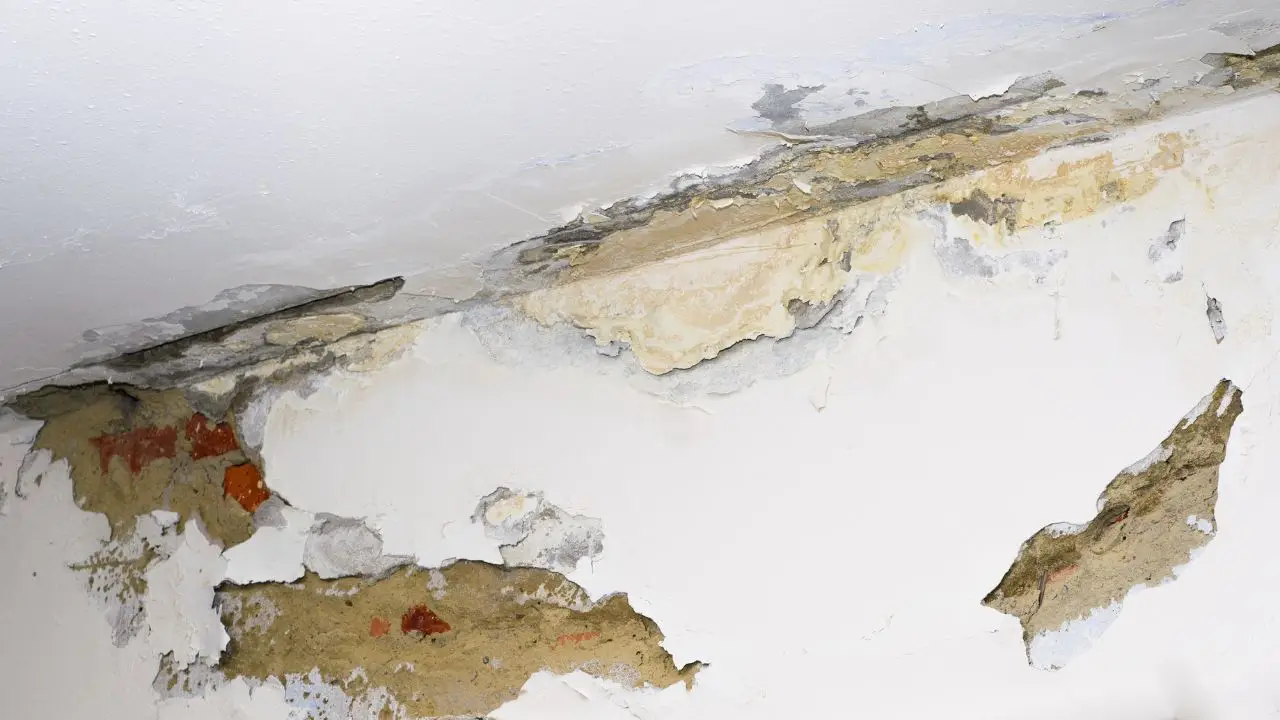
Recurring stains, peeling or bubbling paint, damp walls, musty odours, mould and persistent wet patches should be investigated when they repeatedly return.
Timing can provide useful clues.
A stain that becomes darker after prolonged rain may direct attention towards roofs, façades, joints, windows or other external surfaces.
Moisture that increases after showering can point towards the bathroom or another nearby wet area.
Roof-specific signs may include cracked tiles, deteriorated flashing, open joints, damaged ridges, loose fasteners, oxidation, cracks or ponding water.
These clues are useful for narrowing the investigation, but homeowners should avoid treating them as proof of the exact source.
Which Areas Can a Waterproofing Specialist Repair?
Bathrooms, Toilets, Kitchens and Balconies
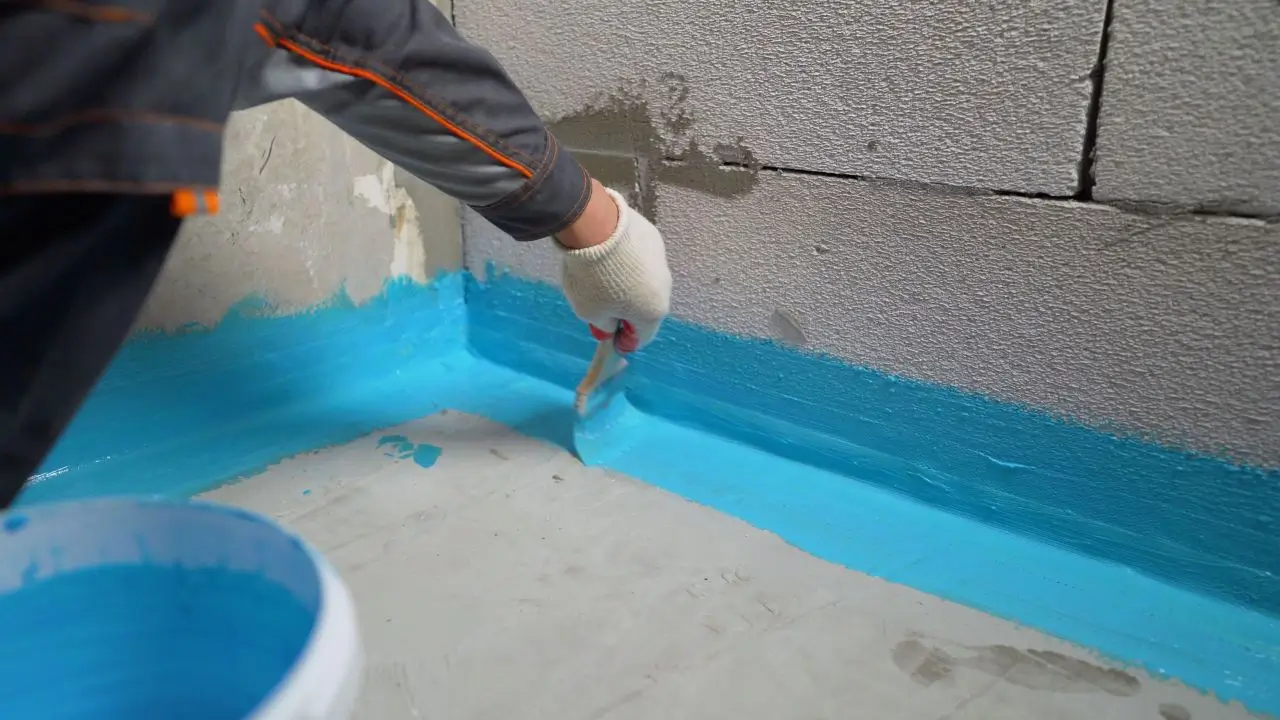
Wet areas contain several locations where waterproofing can fail, including wall-floor junctions, drainage points, pipe penetrations and areas beneath existing finishes.
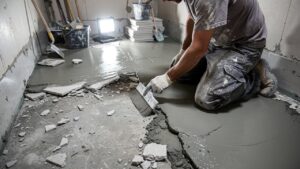
Depending on the condition, a specialist may consider a targeted remedial treatment or more extensive hacking and reinstatement.
Allstar currently provides both hacking and non-hacking waterproofing for bathrooms, toilets, kitchens, balconies and swimming pools.
Roofs
Metal roofs, tiled roofs and flat reinforced-concrete roofs have different failure points.
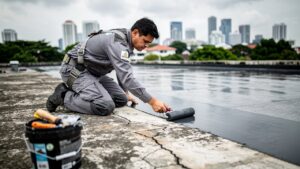
Joints, flashing, tiles, fasteners, concrete cracks, membranes and drainage can all contribute to roof leakage.
Roof waterproofing therefore requires more than applying a coating to every surface.
The existing roof condition and water-entry route should determine the system.
External Walls and Façades
Wind-driven rain can enter through wall cracks, joints, deteriorated sealants or other external defects.
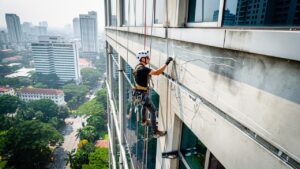
Where these areas are difficult to access, specialist access may be required.
Allstar provides rope-access services and states that IRATA-certified professionals carry out its specialist high-access work.
Concrete
Concrete cracks, construction joints, porous areas and spalling-related defects may need repair before or alongside waterproofing.
Where water is travelling through an appropriate concrete defect, injection or other targeted treatment may be considered.
What Repair Methods Can a Waterproofing Specialist Use?
Different defects require different treatments.
A specialist should therefore explain the purpose of each method rather than simply listing products.
PU Injection
Polyurethane injection can be used for suitable water leakage involving concrete cracks, joints, pores or internal voids.
The material is injected into the affected area and reacts with moisture, helping seal the water pathway.
PU injection can be useful where the problem is localised within concrete.
It should not automatically replace a larger waterproofing system when the existing membrane, screed or surrounding substrate has failed more extensively.
Flood Infusion or Crystallisation
Crystallisation-based treatments may be considered for suitable concrete or inter-floor leakage conditions.
The treatment is designed to form crystals within pores and capillaries, reducing pathways through which water can move.
These methods can sometimes reduce the need for hacking.
Their suitability still depends on the actual condition of the concrete and surrounding building elements.
Nano and Protective Waterproofing Coatings
Liquid-applied coatings can help protect suitable prepared surfaces against water penetration.
For roofs and external walls, cracks and other defects should be repaired before the protective system is applied.
A coating cannot compensate indefinitely for unstable material or an unresolved structural defect beneath it.
Liquid-Applied Roof Membranes
Liquid waterproofing membranes form a continuous layer over prepared roof surfaces.
They can be useful where detailing, joints and complex roof geometry make a seamless system valuable.
The existing roof condition and surface preparation remain important.
Torch-Applied Membranes
Torch-applied waterproofing uses prefabricated modified bituminous sheets that are bonded to the roof substrate to form a waterproof layer.
This can be appropriate for suitable roof systems, but it is not automatically the correct approach for every roof.
The final choice should depend on roof type, substrate condition, detailing and access.
Is Non-Hacking Waterproofing Better Than Hacking?
Neither approach is automatically better.
Non-hacking waterproofing is attractive because it can reduce dust, noise, demolition and reinstatement.
It may be suitable when the substrate remains sound and the identified water pathway can be treated effectively without removing major finishes.
However, hacking can become necessary where damaged screed, loose tiles, extensive membrane failure, poor drainage falls or deteriorated substrate needs to be exposed and replaced.
A homeowner should therefore be cautious of a contractor who promises “no hacking” before inspecting the property.
The more useful question is:
Can this particular defect be repaired properly without hacking?
How Much Does Waterproofing Cost in Singapore?
There is no universal waterproofing rate that applies to every property.
Bathroom waterproofing, roof membranes, façade repairs, PU injection and concrete work involve different methods, labour, materials and access requirements.
Waterproofing cost can be affected by the treatment area, condition of the substrate, repair method, preparation, access, hacking and reinstatement.
Allstar’s published 2026 roof guidance gives an indicative rate of approximately S$5 to S$20 per square metre for certain roof waterproofing work.
This number should be treated carefully.
It is a roof-specific planning reference and should not be used as a benchmark for bathrooms, balconies, façades, PU injection, concrete repair or waterproofing work generally.
For broader waterproofing work, an on-site assessment is usually more useful than applying one rate to every project.
Why Can Two Waterproofing Quotations Be So Different?
Two contractors may not be quoting the same solution.
One may believe a local crack is responsible and propose targeted treatment.
Another may identify widespread waterproofing failure and quote for a larger repair.
One quotation may include hacking and reinstatement.
Another may cover waterproofing material only.
For façade or roof work, one contractor may include specialist access while another excludes it.
Before deciding that one quotation is expensive and another is cheap, compare:
suspected source → treatment method → treatment area → preparation → hacking → reinstatement → access → testing → warranty.
If the scopes are not equivalent, the prices should not be compared as though they are.
What Should a Transparent Waterproofing Quotation Explain?
A useful quotation should identify the area being treated and the proposed method.
It should also make the required preparation reasonably clear.
If damaged concrete, sealant, cracks or existing coatings need repair before waterproofing, that work should be accounted for.
If hacking is required, the quotation should clarify what will be removed.
If finishes will need to be replaced afterwards, check whether reinstatement is included.
For difficult-access exterior work, understand how access is being provided and whether the cost is already included.
The expected timeline should also account for application, curing and reinstatement where relevant.
Finally, the warranty should identify the duration and covered repair area.
How Do You Compare Two Waterproofing Specialists?
Start with the diagnosis.
If two specialists believe different things have failed, their quotations may naturally be very different.
Ask each contractor what evidence supports the proposed diagnosis.
Then compare the method.
Does it logically address the defect?
Compare the scope next.
Is preparation included?
Are hacking and reinstatement included?
For roof or façade work, is access included?
Finally, compare warranty and follow-up.
Only when the scope is reasonably comparable does the final price become a useful deciding factor.
What Credentials Should You Check?
Credentials are particularly relevant where waterproofing involves work at height, commercial properties, roofs, façades or specialised access.
However, a logo or certification alone does not prove that a particular repair method is technically correct.
Credentials should support—not replace—the contractor’s diagnosis.
Allstar’s current website displays BCA and bizSAFE3 credentials.
For rope-access work, the company states that IRATA-certified professionals are used.
Allstar also reports more than 20 years of industry experience and more than 3,000 residential, commercial and industrial properties served.
These are company-published credentials and figures and should be considered together with the actual scope proposed for the property.
What Warranty Should a Waterproofing Specialist Provide?
Warranty length matters, but the wording matters too.
Ask which repair area is covered.
Ask how long coverage applies.
Ask what types of recurrence are included and whether there are important exclusions.
A property can have more than one potential water-entry point.
If a different roof joint or wall crack begins leaking later, that may not be recurrence of the repaired defect.
Allstar currently states that its repair solutions are supported by a one-year guarantee, with extended warranty arrangements available for discussion.
The exact project coverage should still be confirmed in writing.
How Do You Know Whether the Waterproofing Worked?
The most useful test is whether the original water pathway stops producing moisture.
The appearance of the old stain alone is not always enough.
Concrete, plaster and finishes can remain damp for some time after the source has been repaired.
If the leak occurred during heavy rain, monitor the area after subsequent rainfall once the waterproofing system has cured.
If the problem followed bathroom or balcony use, observe the affected area once normal water exposure resumes according to the contractor’s instructions.
Look for new dampness, staining, bubbling paint or water appearing nearby.
The specialist should be able to explain how the repaired area is expected to be assessed.
What Should HDB Owners Know About Ceiling Leakage?
For HDB inter-floor ceiling leakage, the first step is determining whether the problem involves neighbouring flats or common property.
HDB treats inter-floor ceiling leakage as a shared maintenance issue and advises affected owners to cooperate on arranging repair.
Where leakage comes from common property, the Town Council should be contacted.
HDB also recognises that different ceiling-leak cases may require different repair methods and that some cases may need more than one approach.
That supports an important waterproofing principle:
There is no single treatment that should automatically be applied to every HDB ceiling leak.
The repair should follow the identified source and condition.
Photographs, dates, inspection findings and written quotations can make discussions between neighbouring owners easier because the problem can be discussed using evidence rather than assumptions.
How Can You Reduce the Risk of Waterproofing Failure Returning?
Regular inspection can help identify deterioration before it becomes a larger leakage problem.
Roofs should be monitored for blocked drainage, ponding water, damaged joints, flashing deterioration, cracks, loose roof components and ageing waterproofing systems.
Bathrooms, kitchens and balconies should be checked for persistent sealant failure, loose finishes, recurring dampness and water appearing outside expected wet areas.
External-wall cracks or joints should also be investigated if indoor dampness repeatedly appears after rain.
After waterproofing work is completed, retain photographs, the quotation, repair scope, invoice and warranty documents.
If moisture returns later, those records make it easier to determine whether the original repair has failed or another water pathway has developed.
Why Consider Allstar as a Waterproofing Specialist?
Once the selection criteria are established, homeowners can compare individual contractors against them.
Allstar’s current service model includes several of the capabilities discussed in this guide.
The company provides wet-area waterproofing, roof waterproofing, water seepage and leakage repair, concrete repair and rope-access services.
It states that its process begins with a comprehensive inspection before a tailored repair is proposed.
Its website also displays BCA and bizSAFE3 credentials, while its rope-access services are stated to use IRATA-certified professionals.
Allstar reports more than 20 years of industry experience and more than 3,000 residential, commercial and industrial properties served.
The company also currently publishes a one-year guarantee for its repair solutions, with extended coverage available for discussion.
These factors provide useful context when comparing Allstar with other specialists.
The final decision should still depend on the diagnosis, scope, repair method, price and warranty proposed for the actual property.
Frequently Asked Questions About Waterproofing Specialists in Singapore
How Do I Choose a Waterproofing Specialist in Singapore?
Look for a specialist that inspects before recommending major work, explains the likely water source, uses a repair method suited to the defect, provides a clear written quotation and states the warranty terms. For roof or façade work, also consider relevant safety and access capability.
When Should I Call a Waterproofing Specialist?
Consider specialist assessment when leakage repeatedly returns, the source is unclear, previous repairs have failed, a wet-area waterproofing system may be damaged or the problem involves a roof, façade or concrete element.
Do I Need a Waterproofing Specialist or a Plumber?
A leaking water or sanitary pipe may require a plumber. Moisture entering through a roof, waterproofing membrane, concrete slab, wall joint, balcony or façade is more likely to involve waterproofing or building repair. If the source is unclear, investigate before choosing the trade.
What Should a Waterproofing Specialist Inspect?
The specialist should consider when the leak occurs, what is above or behind the affected surface, previous repair history, visible cracks or deterioration, drainage, joints, wet areas, roof details and other possible water pathways.
Can Waterproofing Be Done Without Hacking?
Yes, some defects can be treated without extensive hacking. The appropriate method depends on the condition of the substrate and the identified water pathway. Extensive membrane, screed or substrate failure may still require more invasive work.
Is Non-Hacking Waterproofing Always Better?
No. It can reduce disruption when suitable, but the method must still repair the actual defect. Choosing non-hacking treatment only because it is more convenient can lead to recurrence when underlying material needs replacement.
How Much Does Waterproofing Cost in Singapore?
There is no universal waterproofing price. Cost depends on the area, method, surface condition, preparation, access and reinstatement required. Allstar’s published S$5–S$20/m² reference applies specifically to certain roof waterproofing work and should not be treated as a general waterproofing rate.
Why Are Two Waterproofing Quotes So Different?
The contractors may have diagnosed different problems or included different repair scopes. Compare the suspected source, treatment method, preparation, treatment area, hacking, reinstatement, access, testing and warranty before comparing price alone.
What Should a Waterproofing Quotation Include?
A useful quotation should identify the treatment area, proposed method, major preparation, hacking where relevant, reinstatement, specialised access requirements, timeline and applicable warranty.
How Do I Know Whether the Waterproofing Repair Worked?
Monitor the affected area under the conditions that previously triggered leakage after the system has cured. Rain-related leakage should remain dry after later rainfall, while wet-area problems should not recur once normal water use resumes according to the contractor’s instructions.
What Credentials Should a Waterproofing Specialist Have?
The relevant credentials depend on the type of work. Safety and work-at-height capability are particularly relevant for roof and façade projects. Technical experience, project examples, quotation quality and warranty terms should be considered alongside formal credentials.
What Should HDB Owners Do About Ceiling Leakage?
HDB treats inter-floor ceiling leakage as a shared maintenance issue between affected flat owners. Leakage from common property should be reported to the Town Council. The repair method should be selected according to the actual source and circumstances of the leak.
Does Allstar Provide Free Waterproofing Inspections?
Allstar currently states that it provides comprehensive inspections before recommending a tailored waterproofing or leakage-repair solution.
What Waterproofing Services Does Allstar Provide?
Allstar currently provides wet-area waterproofing, roof waterproofing, water leakage and seepage repair, concrete repair and rope-access services for difficult exterior locations.
Does Allstar Provide a Warranty?
Allstar currently states that its repair solutions carry a one-year guarantee, with extended warranty arrangements available for discussion. The exact covered scope should be confirmed in the written quotation.
Conclusion
Choosing a waterproofing specialist in Singapore is ultimately about finding the contractor whose diagnosis, preparation and repair method make sense for the defect in your property.
The cheapest quotation alone does not determine that.
Neither does the least disruptive treatment or the most advanced-sounding waterproofing product.
A useful comparison should focus on five areas:
diagnosis → method fit → substrate preparation → scope and access → warranty and follow-up.
Before approving significant work, understand where the contractor believes the water is entering and why the proposed treatment should stop that pathway.
Then review what preparation, hacking, reinstatement, access and warranty are included in the quotation.
Allstar Waterproofing & Services is one specialist homeowners can evaluate against these criteria. Its published services include wet-area and roof waterproofing, leakage repair, concrete repair and rope access, supported by an inspection-first process and a stated one-year repair guarantee.
The strongest waterproofing job is not necessarily the largest or most aggressive repair.
It is the one that identifies the actual weakness, prepares the affected area properly and uses a system suited to the defect that was found.