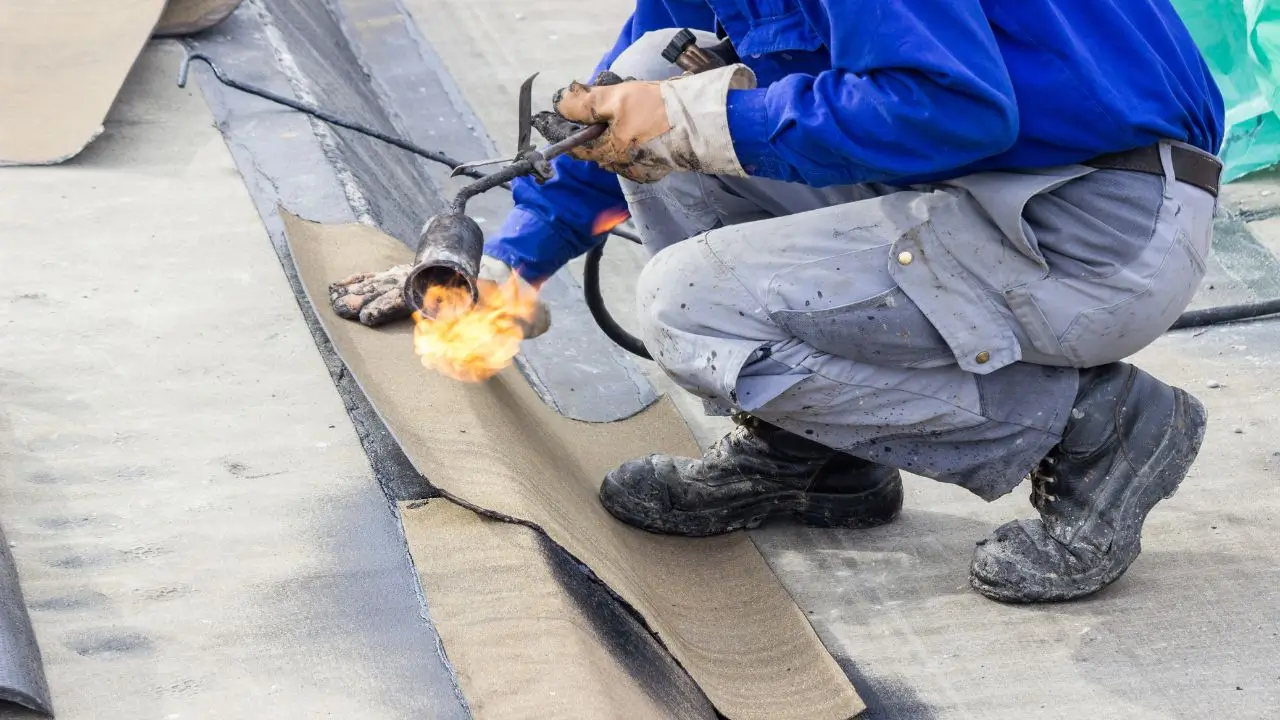
There is no single water leakage contractor that is automatically the “best” choice for every property in Singapore.
A better contractor is one that can identify the likely source of the leak, explain why that diagnosis makes sense, recommend a repair method suited to the defect, provide a clear written scope, and explain what happens if the repaired area leaks again.
This matters because the visible stain is not always where the water entered. Moisture can travel through concrete slabs, joints, roof structures, wet-area screed, pipes, and concealed cavities before appearing on a ceiling or wall. Treating only the stain or nearest visible crack may leave the original water pathway untouched.
When comparing contractors, homeowners should therefore look beyond the lowest quotation.
A useful comparison should cover six areas: diagnosis, repair-method fit, scope clarity, technical capability, price transparency, and warranty or follow-up.
Allstar Waterproofing & Services is one water leakage contractor Singapore homeowners can assess against these criteria. The company provides leakage and seepage repair across ceilings, walls, wet areas, roofs, and concrete, together with difficult-access exterior work. Allstar states that its current process begins with a comprehensive inspection before a repair method is proposed.
This guide explains how to compare water leakage contractors objectively, what a professional inspection and quotation should contain, what red flags to watch for, which credentials may matter, and what HDB owners should know when leakage occurs between flats.
The 6-Factor Water Leakage Contractor Check
A practical way to compare water leakage contractors is to evaluate six factors instead of relying on price, reviews or warranty length alone.
1. Diagnosis
Can the contractor explain where the water is most likely entering?
A ceiling stain may come from a bathroom above, a roof, concrete joint, concealed pipe or another route.
The contractor should be able to explain the likely source and what evidence supports that conclusion.
2. Repair-Method Fit
Does the proposed repair logically match the defect?
PU injection can be useful for certain concrete cracks or joints. A failed wet-area waterproofing system may require a different repair. A roof defect needs attention to the roof rather than only the interior stain.
The method should follow the defect.
3. Scope Clarity
Do you understand what work is actually included?
The quotation should identify the treatment area, preparation, hacking where required, reinstatement and major exclusions.
4. Technical Capability
Can the contractor handle the particular type of work involved?
Bathroom waterproofing, concrete repair, roof work and high-level façade leakage require different capabilities.
5. Price Transparency
Can you understand why the repair costs what it does?
A lower quotation is not necessarily better value if it covers only a surface treatment while another quotation addresses a broader failed system.
6. Warranty and Follow-Up
What happens after the work is completed?
The contractor should explain the warranty period, covered repair area, important exclusions and how recurrence will be assessed.
These six factors provide a more useful definition of the “best” contractor than price alone.
Ask Every Water Leakage Contractor These Three Questions
Before approving significant repair work, ask:
Where do you believe the water is entering?
What evidence supports that diagnosis?
Why will the proposed repair stop that particular water pathway?
These questions can reveal whether the contractor is diagnosing the defect or simply recommending a familiar product.
A competent contractor should generally be able to explain the reasoning in language a homeowner can understand.
Technical terminology may be necessary, but the basic logic should still be clear.
If the explanation is essentially “this product works for every leak,” ask more questions.
Waterproofing is not simply about choosing a product.
It is about matching a repair to the failure that allowed the water through.
Water Leakage Contractor Comparison Scorecard
| What to Check | Strong Sign | Warning Sign |
| Diagnosis | Explains likely source and supporting evidence | Assumes the visible stain is the source |
| Repair method | Connects treatment directly to the defect | Uses the same solution for almost every leak |
| Quotation | Defines repair area and major inclusions | Says only “waterproofing works” |
| Hacking | Explains why it is or is not needed | Promises no hacking before inspection |
| Reinstatement | Clearly states what will be restored | Removal and replacement work is unclear |
| Access | Explains specialist access where needed | Access charges appear unexpectedly |
| Warranty | Written duration and covered scope | Relies mainly on verbal promises |
| Follow-up | Explains how repair success is assessed | Job ends once the visible stain is covered |
| Communication | Explains findings in understandable language | Cannot explain why the method was chosen |
This table is not intended to prescribe one contractor or treatment.
Its purpose is to help homeowners distinguish a complete repair proposal from a quotation that looks attractive but leaves important questions unanswered.
What Makes a Good Water Leakage Contractor in Singapore?
A good contractor should diagnose before repairing.
That sounds simple, but it matters because different defects can create very similar symptoms.
A bathroom membrane failure, concrete crack, roof-joint problem, external-wall defect and leaking pipe may all result in a damp ceiling.
The repair methods are not interchangeable.
A contractor who properly investigates the problem should be able to connect three things:
the symptom → the suspected source → the proposed repair.
This is more useful than relying mainly on company size, advertising claims or the number of waterproofing products listed on a website.
Allstar currently advertises an inspection-first approach covering visible and underlying leakage issues before a tailored repair scope is proposed.
That is a useful standard to apply when evaluating any contractor.
Why Is Finding the Root Cause So Important?
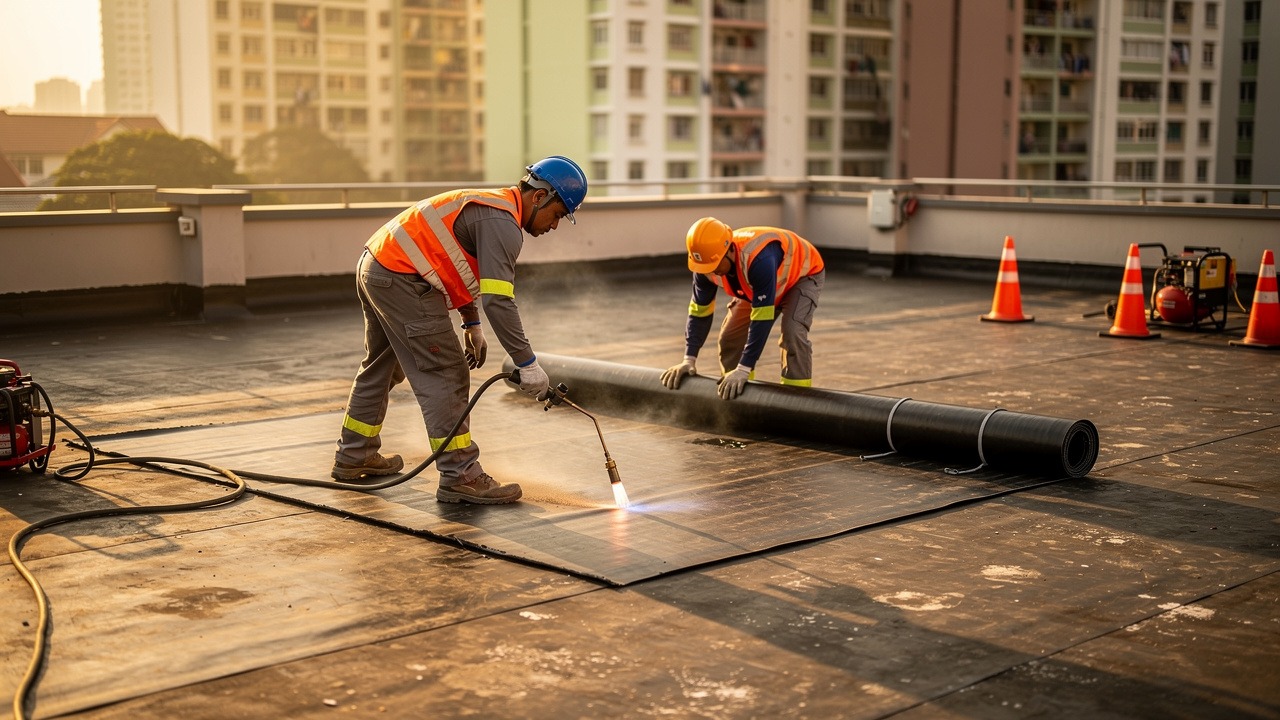
Water does not necessarily travel straight down from the defect to the visible stain.
It can follow concrete interfaces, joints, pipes, cracks and concealed cavities before finding a point where it becomes visible.
The stain may therefore be an exit point rather than the actual source.
This is why repainting a ceiling can fail even when the new paint initially looks dry.
The same applies to filling the nearest crack or replacing grout without confirming that the repaired area is the route through which water is actually travelling.
A contractor should therefore investigate the water pathway rather than treat the appearance alone.
How Should a Professional Water Leakage Inspection Work?
A useful inspection normally begins with the history of the leak.
The contractor should ask when the problem started, whether it becomes worse after rain or water use, whether previous repairs have been attempted and what rooms or building elements are located above or behind the affected surface.
Timing can provide important clues.
A ceiling stain that darkens only after heavy rain suggests a different investigation from one that becomes wet after the bathroom above is used.
The physical inspection then focuses on likely entry routes.
Depending on the property, these may include wet areas, roof surfaces, external joints, wall-floor junctions, cracks, window perimeters, pipes and concrete defects.
For harder-to-trace cases, diagnostic tools may sometimes support the inspection.
Allstar has published guidance describing the use of tools such as thermal imaging and acoustic detection in suitable hidden-leak investigations.
Such tools can help reduce guesswork, but they should support rather than replace professional assessment.
The result of an inspection should be more useful than simply:
“You have a leak.”
The contractor should explain what is probably causing it and what needs to be repaired.
How Do You Compare Two Water Leakage Contractors?
Compare the diagnosis before the price.
Suppose Contractor A believes water is travelling through a local concrete joint and recommends PU injection.
Contractor B believes the waterproofing system in the bathroom above has deteriorated extensively and proposes hacking, waterproofing and reinstatement.
The second quotation could be several times higher.
That does not automatically mean Contractor B is expensive.
The contractors are proposing two completely different repairs because they believe two different things have failed.
The homeowner first needs to understand why the diagnoses differ.
Ask each contractor to explain the evidence.
Then compare:
diagnosis → treatment method → treatment area → preparation → hacking → reinstatement → access → testing → warranty.
Only after that comparison does the final price become meaningful.
Should You Get More Than One Water Leakage Quotation?
For expensive, complicated or unclear leakage problems, obtaining more than one assessment can be useful.
However, three quotations are not necessarily helpful when they cover three different scopes.
One contractor may quote for local treatment only.
Another may include hacking and reinstatement.
A third may include specialist access work that the others exclude.
Before deciding which is cheapest, determine whether they are actually proposing equivalent repairs.
For a straightforward minor defect where the source and repair scope are clear, obtaining several quotations may be less important.
For a larger bathroom, roof, façade or recurring leakage problem, a second assessment can provide useful perspective—especially when the proposed treatments differ significantly.
What Should a Transparent Water Leakage Quotation Include?
A transparent quotation should state what is being repaired.
The affected area should be identified.
The treatment method should be described clearly enough for the homeowner to understand what will happen.
Important preparation should be included.
If hacking is required, the quotation should explain which surfaces will be removed.
If finishes need to be reinstated afterwards, clarify whether reinstatement forms part of the quoted price.
For roofs or façades, specialised access requirements should also be made clear.
The homeowner should also understand any important curing or waiting period before normal water exposure can resume.
Finally, warranty terms should identify the applicable duration and treated area.
A vague quotation describing only “waterproofing works” makes it difficult to compare contractors fairly.
Why Can Water Leakage Quotations Be So Different?
Water leakage repair does not have one universal scope.
A local injection job and a full bathroom waterproofing rebuild are fundamentally different projects.
Likewise, high-level exterior repair may involve specialist access that an internal ceiling repair does not require.
The visible size of the stain also does not necessarily determine the repair cost.
A small stain could originate from a difficult-to-access external defect.
A larger patch could sometimes result from one relatively localised water pathway.
Cost can therefore be affected by the defect, treatment area, preparation, method, materials, hacking, access and reinstatement required.
The best way to compare quotations is to compare what is actually included.
How Much Does Water Leakage Repair Cost in Singapore?
There is no reliable single price for all water leakage repair.
Allstar publishes indicative pricing for some waterproofing scopes, including approximately S$800 to S$1,500 for waterproofing an average bathroom of roughly four to six square metres.
That figure should not be interpreted as saying every water leakage repair costs S$800 to S$1,500.
Bathroom waterproofing is only one possible scope.
A project involving hacking, screed replacement, tile reinstatement, concrete repair, roof work, specialist access or multiple defects can be substantially different.
When choosing a contractor, the more meaningful question is:
What does this quotation include for the specific defect identified at my property?
Which Water Leakage Repair Methods Might a Contractor Recommend?
Different defects require different methods.
A good contractor should be able to explain why one approach is more suitable than another.
PU Injection
Polyurethane injection can be used for suitable water seepage involving concrete cracks, joints, voids or honeycombed areas.
The material is injected into the affected path and reacts with moisture, expanding to help seal the concrete defect.
PU injection can be effective where the water path is compatible with this treatment.
It does not automatically repair a failed roof, leaking pipe or extensively deteriorated wet-area membrane.
Flood Infusion or Crystallisation
Crystallisation-based treatment may be considered in suitable concrete or inter-floor leakage situations.
The treatment is intended to form crystals within pores and capillaries, helping block water movement through the substrate.
Its suitability still depends on the actual defect and existing condition.
Waterproofing Coatings
Prepared roof and external-wall surfaces may use protective waterproofing coatings as part of the repair system.
Surface preparation matters significantly.
Applying coating over unstable material, contamination or unresolved cracking can leave the original weakness underneath.
Wet-Area Waterproofing
Bathrooms, toilets, kitchens and balconies may require waterproofing repair where the existing system has failed.
Depending on the extent of deterioration, the repair may range from less invasive treatment to more substantial hacking and reinstatement.
Roof and Façade Repair
When water enters through a roof or building exterior, repairing only the interior stain will not resolve the entry point.
Roof components, joints, cracks, sealants, membranes or external coatings may need attention.
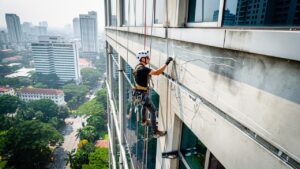
High-level exterior repairs may also require specialist access.
Can a Good Water Leakage Contractor Repair Without Hacking?
Sometimes.
But a contractor should not promise “no hacking” before understanding the defect.
A localised concrete water path may be suitable for injection.
Selected leakage conditions may also allow other less invasive waterproofing methods.
However, if the waterproofing membrane has deteriorated extensively, screed has failed, tiles are loose, drainage is defective or damaged material needs replacement, hacking may be necessary to reach and repair the problem properly.
The more useful question is:
Can this specific defect be repaired reliably without hacking?
That is different from asking a contractor to avoid hacking regardless of what has failed.
What Credentials Should You Check?
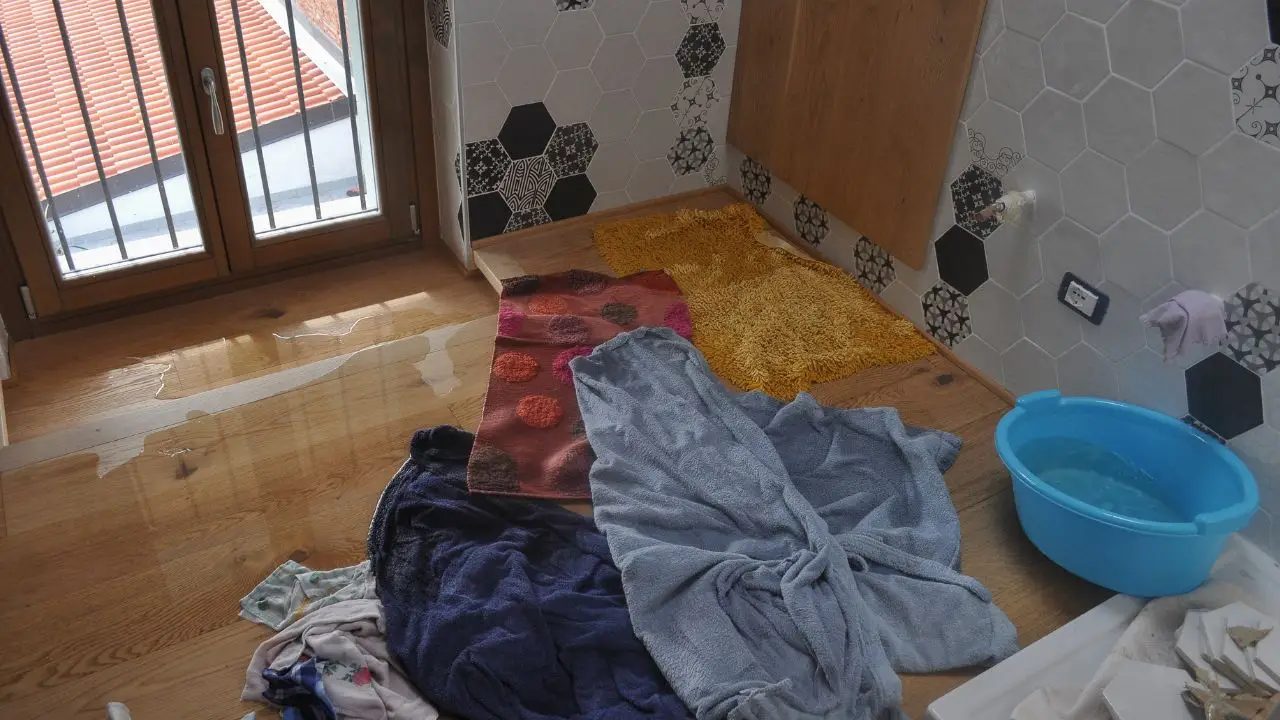
Credentials can provide useful supporting evidence, especially where work involves safety-sensitive conditions.
Roof and façade projects may require work-at-height capability.
Specialist rope-access work requires appropriate trained personnel and procedures.
Experience with similar projects can also matter.
However, one certification or logo should not be treated as proof that a particular repair method is correct.
The contractor still needs to diagnose the leak properly.
Allstar’s current website displays BCA and bizSAFE3 credentials, while its rope-access service states that IRATA-certified professionals carry out specialist access work.
The company also reports more than 20 years of industry experience and over 3,000 residential, commercial and industrial properties served.
These are company-published credentials and figures and should be considered together with the actual inspection and repair proposal.
How Do You Check Whether a Contractor Is Suitable for Your Property?
Look beyond one credential or review score.
Ask whether the company regularly handles the type of leakage involved.
A contractor with extensive bathroom experience may not necessarily have the same capability for high-level façade work.
Likewise, a property involving concrete defects may require different repair knowledge from a simple sealant replacement.
Ask for genuine examples of similar completed work where available.
Look at whether the contractor can explain the repair clearly.
Check whether the written quotation matches what was discussed during inspection.
External reviews can provide information about scheduling, communication and after-service support.
However, reviews should complement rather than replace evaluation of the proposed technical scope.
What Warranty Should a Water Leakage Contractor Provide?
Warranty length is useful, but the details matter.
Ask:
What repair area is covered?
How long is the warranty?
What types of recurrence are covered?
What circumstances are excluded?
What happens if moisture reappears at the treated area?
This matters because one property can have more than one water-entry point.
A leak appearing from a different roof joint or wall crack may not be recurrence of the original defect.
Allstar currently states that its leakage-repair solutions come with a one-year guarantee, with extended coverage available for discussion.
The project-specific terms should still be confirmed in writing.
A long warranty does not compensate for treating the wrong source.
What Are the Red Flags When Choosing a Water Leakage Contractor?
A firm diagnosis over the phone without inspecting an unclear or recurring leak should be treated cautiously.
So should a contractor who insists that one product fixes almost every type of leakage.
Other warning signs include recommending extensive hacking without explaining why a less invasive option is unsuitable.
The opposite is also true.
Be cautious of a contractor guaranteeing no hacking before the defect has been assessed.
A vague quotation is another red flag.
If it says only “waterproofing works” without describing the area, treatment method or important exclusions, it becomes difficult to understand what is being purchased.
Ask whether reinstatement is included.
Check whether specialist access costs are already accounted for.
Warranty promises should be stated in writing.
Another warning sign is a contractor who cannot distinguish between plumbing leakage and waterproofing failure.
The strongest contractor is normally the one that can explain why the repair fits the evidence without relying on unrealistic promises.
Who Is Responsible for an HDB Ceiling Leak?
For HDB inter-floor ceiling leakage, the first step is identifying whether the source concerns the neighbouring flats or common property.
HDB treats inter-floor ceiling leakage as a shared maintenance issue and advises affected owners to cooperate in arranging repair.
Where the source comes from common property, such as an applicable common building element, the Town Council should be contacted.
HDB also makes clear that contractors should recommend repair methods according to the severity and circumstances of the leak rather than assuming every case needs the same treatment.
Some leakage cases may require more than one repair approach.
That reinforces one of the main principles when choosing a contractor:
Be cautious of anyone promising one universal solution before inspecting the actual HDB ceiling leak.
Photographs, dates, inspection findings and quotations can also make discussions between neighbouring owners easier because everyone is working from the same information.
What About Water Leakage in Condominiums?
For condominium leakage, determining whether the suspected source lies within a private lot or common property is important.
If a common roof, façade or another shared building element may be involved, homeowners should notify the managing agent or MCST before substantial repair work begins.
Inter-unit leakage can also require cooperation between neighbours.
The waterproofing contractor can help investigate the physical water pathway, while the relevant property-management arrangements determine how access and responsibility are handled.
Keep photographs, inspection notes, quotations and previous repair records when more than one party is involved.
How Do You Know Whether the Repair Actually Worked?
A repair should ultimately stop the water pathway that caused the problem.
However, an old stain may not disappear immediately after the source is repaired.
Concrete, plaster and finishes can remain damp while drying.
The better test is to observe the affected area under the conditions that previously triggered leakage.
If the stain appeared after rain, monitor the location after subsequent rainfall once the repair has cured.
If the problem followed bathroom use, observe the affected area after normal water use resumes according to the contractor’s instructions.
Watch for new moisture, not only the appearance of old staining.
A professional contractor should be able to explain how the repaired area is expected to be assessed after completion.
Why Consider Allstar for Water Leakage Repair?
Once the selection criteria are established independently, homeowners can assess whether a particular contractor meets them.
Allstar’s current service model reflects several of the factors described in this guide.
The company advertises a comprehensive site inspection intended to identify visible and underlying leakage issues before a tailored repair is proposed.
Its published service range includes ceiling and wall leakage repair, wet-area waterproofing, roof waterproofing, concrete repair and rope access.
This allows the repair approach to vary according to the defect rather than relying on one method for every water stain.
Allstar’s website also displays BCA and bizSAFE3 credentials and states that IRATA-certified professionals are used for specialist rope-access work.
The company reports more than 20 years of industry experience and over 3,000 residential, commercial and industrial properties served.
It also currently publishes a one-year guarantee for its leakage-repair solutions, with longer coverage available for discussion.
These factors provide useful evidence when comparing the company with other contractors.
They should still be evaluated alongside the actual diagnosis, scope and repair method proposed for your particular property.
Frequently Asked Questions About Choosing a Water Leakage Contractor
Who Is the Best Water Leakage Contractor in Singapore?
There is no single contractor that is automatically best for every property. A strong contractor should correctly diagnose the likely water source, recommend a repair suited to the defect, explain the scope and price clearly, have the relevant capability for the work and provide written warranty terms.
How Do I Compare Water Leakage Contractors?
Compare the diagnosis first. Then compare the repair method, treatment area, preparation, hacking, reinstatement, access requirements, testing and warranty. Two quotations based on different diagnoses should not be compared on price alone.
Should I Get More Than One Waterproofing Quotation?
For larger, expensive or unclear repairs, obtaining another assessment can be useful. Make sure you compare equivalent scopes because one contractor may quote for local treatment while another is repairing a wider failed waterproofing system.
What Are the Six Things I Should Check?
Evaluate diagnosis, repair-method fit, scope clarity, technical capability, price transparency and warranty or follow-up. Together, these give a more useful picture of contractor quality than price alone.
What Should I Ask a Water Leakage Contractor?
Ask where they believe the water is entering, what evidence supports that diagnosis and why the proposed method should stop that pathway. Also confirm preparation, hacking, reinstatement, project timing and warranty.
Should a Water Leakage Contractor Inspect Before Quoting?
For an unclear or recurring leak, an on-site assessment is usually important before major work is recommended. The contractor should understand the moisture pattern and likely water source rather than select a repair based only on the visible stain.
Is the Cheapest Water Leakage Contractor the Best Value?
Not necessarily. A cheaper quotation can represent good value when it addresses the same confirmed defect with a complete scope. It becomes poor value if important source repair, preparation or reinstatement is excluded and the leakage returns.
Should a Contractor Guarantee No Hacking?
Be cautious if that promise is made before inspection. Some leaks can be treated using less invasive methods, while extensive waterproofing, screed, drainage or substrate failure may require hacking.
What Should Be Included in a Water Leakage Quotation?
The quotation should identify the treatment area, repair method, important preparation, hacking where applicable, reinstatement, specialist access where required, expected timeline and warranty.
What Credentials Should a Water Leakage Contractor Have?
The relevant credentials depend on the work involved. Safety and work-at-height capability are particularly relevant for roofs and façades. Technical experience, real project examples, quotation quality and written warranty terms should be considered alongside formal credentials.
What Should HDB Owners Do About Ceiling Leakage?
HDB treats inter-floor ceiling leakage as a shared maintenance issue and advises affected owners to cooperate on investigation and repair. Where the leak originates from common property, the Town Council should be contacted.
Does Allstar Inspect Before Recommending Water Leakage Repair?
Allstar currently advertises a comprehensive on-site inspection covering visible and underlying leakage problems before proposing a tailored repair.
What Types of Leakage Work Does Allstar Handle?
Allstar currently provides ceiling and wall leakage repair, wet-area waterproofing, roof waterproofing, concrete repair and rope-access services for difficult exterior locations.
Does Allstar Provide a Warranty?
Allstar currently states that its leakage-repair solutions are backed by a one-year guarantee, with extended warranty options available for discussion. The exact coverage should be confirmed in the written quotation.
Conclusion
Choosing the best water leakage contractor in Singapore is ultimately about choosing the contractor whose diagnosis and repair process make the most sense for the defect in your property.
The lowest quotation alone does not tell you that.
Neither does the longest warranty, biggest company or most advanced-sounding waterproofing product.
A useful comparison focuses on six things:
diagnosis → repair-method fit → scope clarity → technical capability → price transparency → warranty and follow-up.
Before approving substantial work, ask the contractor three questions:
Where is the water most likely entering?
What evidence supports that conclusion?
Why should this repair stop that specific pathway?
Those answers make it much easier to evaluate everything else in the quotation.
Allstar Waterproofing & Services is one contractor homeowners can assess against this framework. Its published offering includes comprehensive leakage inspections, several waterproofing and repair methods, wet-area, roof and concrete capability, rope access, transparent quotations and a one-year repair guarantee.
The company also reports more than 20 years of industry experience and over 3,000 properties served.
Those credentials provide useful context, but the final decision should still depend on the repair proposed for your individual property.
A good contractor should not simply promise to make the stain disappear.
They should give you a clear reason to believe that the pathway responsible for creating that stain has actually been identified and repaired.
Last reviewed: August 2026.