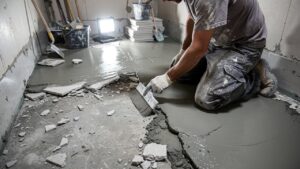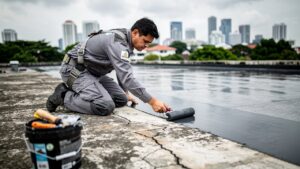
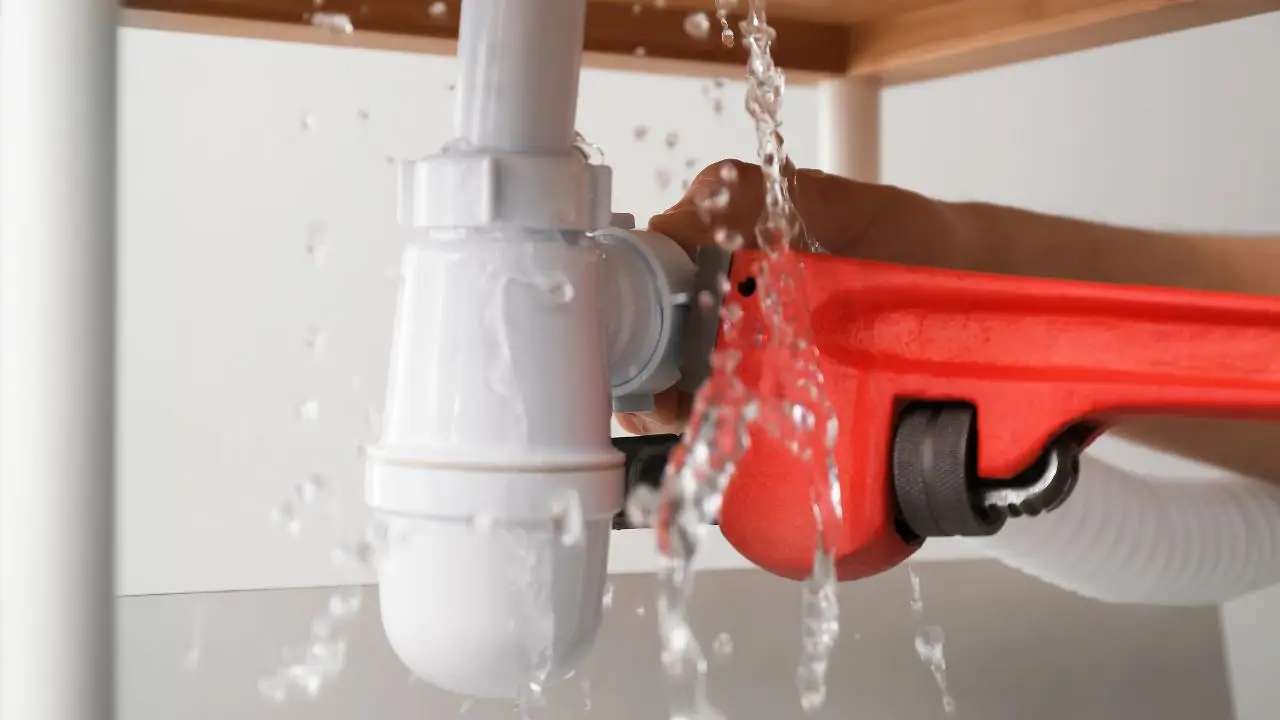
Hidden leaks inside walls or floors do not always require extensive hacking. An experienced water leakage contractor Singapore property owners can rely on may use acoustic listening devices, thermal imaging cameras and moisture meters to trace pressurised pipes and damp pathways beneath the surface. This allows for targeted inspection with minimal disruption.
In Singapore’s humid and rain-prone climate, even a slow leak can swell cabinets, peel paint and encourage mould growth. Guessing the source or removing random tiles often wastes time and money, while hidden damage may continue spreading before a ceiling stain becomes visible.
This guide explains how leakage specialists diagnose problems, how their services differ from basic plumbing and when professional help is necessary. You will also learn about common leaks in HDB flats and condominiums, repair responsibilities and how to choose a reliable contractor during an emergency.
Key Takeaways
- Warning signs that need specialist attention include more than obvious ceiling drips. Faint yellow stains, musty smells, and a meter that keeps spinning when every tap is off often point to a hidden leak that is cheaper to fix when caught early.
- Common leak types and responsibility often confuse HDB owners. Roofs and external walls usually fall under the Town Council, while leaks inside your flat are typically your job. Between units, cost‑sharing rules apply, and later sections break down who to call first.
- How you choose a water leakage specialist matters as much as spotting the problem. Look for experience, proper testing gear, written warranties, and clear explanations. Cheap patch jobs without diagnosis often fail soon, so the right questions help you avoid paying twice.
- Digital visibility affects who reaches homeowners during emergencies. When a pipe bursts at midnight, most people search Google or Facebook and call companies with strong reviews, clear service pages, and fast enquiry options.
What Is A Water Leakage Specialist, And Why Do Singapore Property Owners Need One?
A water leakage specialist is a contractor who focuses on finding and fixing leaks and seepage, often in hard‑to‑reach places. Unlike a general handyman, this professional relies on diagnostic tools, not guesswork, to trace water paths inside concrete, walls, and ceilings, so they can target small zones instead of stripping whole walls bare.
Water leakage happens when water escapes from plumbing parts such as pipes, tanks, or fittings. Water seepage happens when rain or groundwater pushes moisture through tiny cracks or porous materials, for example along external walls or basement slabs. Each needs different materials, repair designs, and testing, so a quick visual check rarely tells the full story.
Singapore’s tropical storms and high humidity place constant stress on roofs, bathrooms, and facade joints. Old HDB stacks, long‑serving pipes in landed houses, and aging waterproof layers in condominiums all raise the odds of problems. According to PUB, a leaking toilet cistern can waste up to 1,000 liters of water in a single day, which hurts both the environment and your bill a pattern consistent with the Use of Data-Driven Methods research showing how undetected micro-leaks accumulate into significant losses across residential buildings. Guidance from the Building and Construction Authority also notes that early diagnosis and sound waterproof design protect structural safety over a building’s life.
To find hidden leaks without major demolition, specialists mix acoustic listening gear, thermal cameras, moisture meters, and sometimes tracer dye or gas tests. These tools show where water leaves a pressurised pipe or where cold leak water creates cooler streaks behind tiles, allowing focused hacking or surface treatment instead of a long‑running construction project.
What Are The Most Common Signs You Need A Water Leakage Specialist In Singapore?
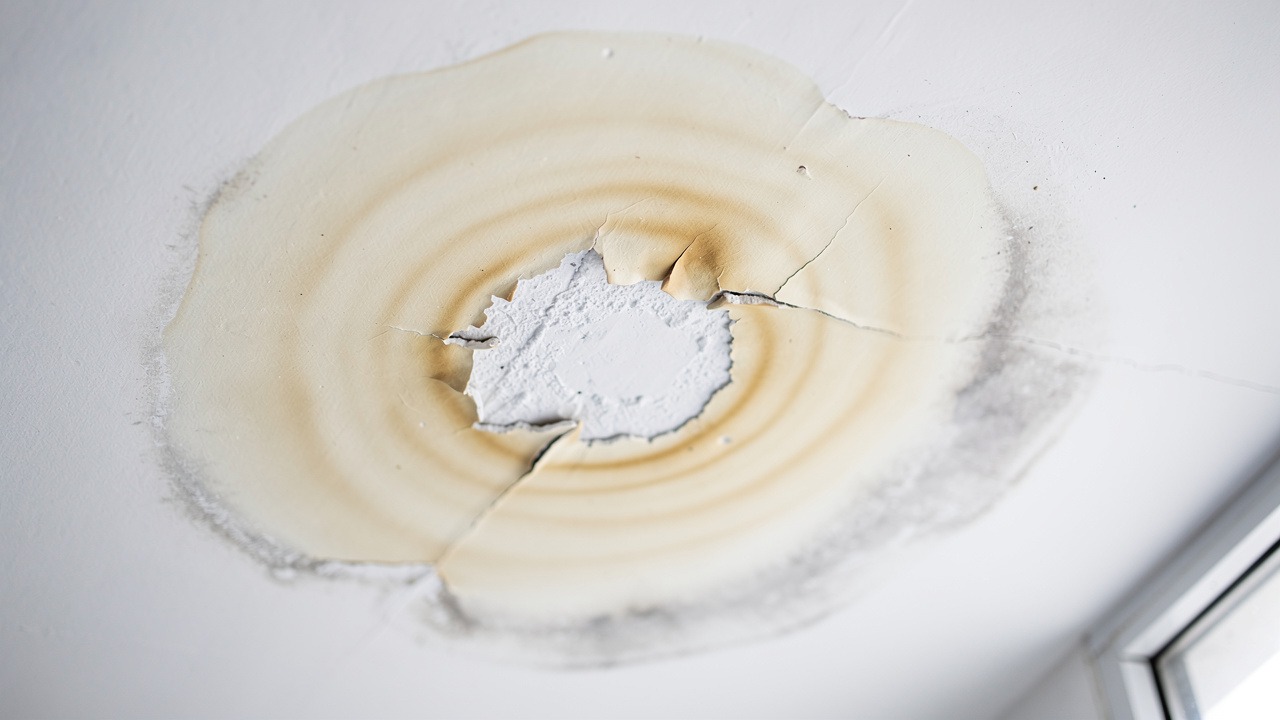
The most common signs that you need a water leakage specialist in Singapore often appear long before water starts dripping from the ceiling. Spotting them early lets you fix the root cause while damage is still small.
- Wet spots and stains on ceilings, walls, or floor tiles often show up as pale yellow or brown patches. In HDB flats, they tend to appear near toilet stacks or along kitchen cabinets, and even if the area feels dry, moisture may be moving behind the surface.
- Recurring mold patches on walls, skirting boards, or ceiling corners point to constant dampness. Research from the World Health Organization links damp housing with higher rates of asthma, coughing, and other breathing problems, so a leak specialist checks both visible areas and hidden cavities before any stain treatment.
- Unexplained spikes in water bills are another strong clue. If usage habits have not changed but PUB charges keep climbing, water may be escaping from a pipe you cannot see. A quick test is to shut every tap and appliance, then watch the meter; movement means water is still flowing somewhere in the system.
- Musty smells in enclosed spaces such as wardrobes, storerooms, or under‑sink cabinets signal trapped moisture. These odors often appear before any stain reaches the visible side of a board and may linger even after you air the room or spray freshener.
- Peeling paint or warped skirting boards reveal that water has started to break down building materials. In condominiums, paint may flake along balcony walls or around window frames after long rainy periods, and soft spots around bathrooms may hint at weakened structures.
- Sounds of dripping or running water when every fixture appears closed are a final red flag. Owners often hear this behind false ceilings at night, when the building is quiet. According to the Insurance Information Institute, water damage events account for a significant share of home insurance claims, so fast action lowers the risk of expensive repairs.
“Treat the first stain or musty smell as a warning, not a decorating problem,” notes a senior technician from Allstar Waterproofing & Services. “Calling early often turns a big renovation into a small repair.”
What Types Of Water Leakage Problems Do Specialists Handle?
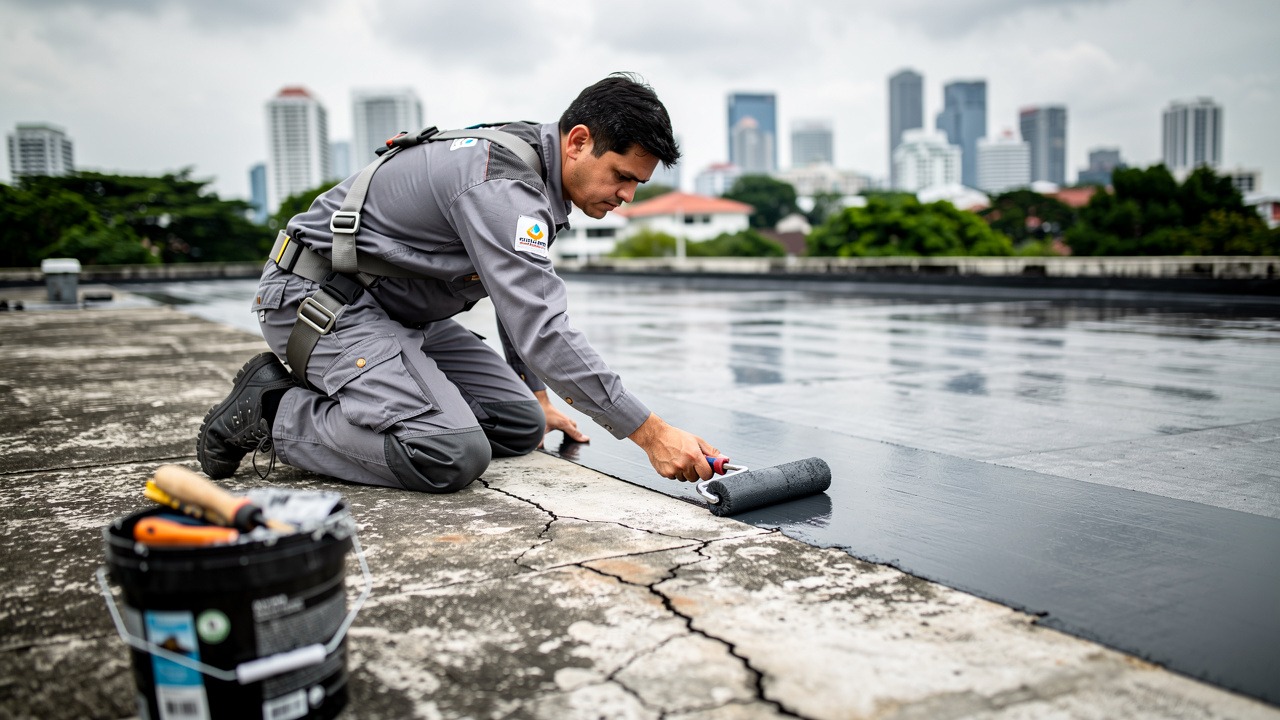
Water leakage specialists handle many kinds of problems across HDB flats, condominiums, landed homes, and commercial units. Each leak behaves differently and needs its own repair method.
- Roof leaks show up as stains or drips on top‑floor ceilings or along beams under metal or tile roofs. On flat reinforced concrete roofs, ponding water and hairline cracks let rainwater enter slowly, so specialists test outlets and joints, then renew waterproof membranes on affected zones.
- Toilet and bathroom leaks are very common in older HDB stacks and busy offices. Symptoms include damp ceilings in the unit below, hollow‑sounding tiles, or water seeping near the floor trap or toilet base. Causes range from worn sealant and pipe joints to failed waterproof layers beneath tiles.
- Ceiling leaks in mid‑floor units usually point to plumbing or wet areas above. Water may travel along beams before appearing far from the actual source, so specialists map the path using moisture readings and, if needed, small inspection ports to view concealed pipes.
- Wall leaks affect both internal and external walls. Inside, they often come from concealed pipes, air‑conditioner trunking, or adjacent bathrooms. Outside, cracked plaster or poor window sealing lets rain run down behind paint, so repair includes sealing cracks, treating joints, and upgrading external waterproof layers.
- Balcony leaks cause frequent complaints in condominiums because water can drip onto neighbours. Common signs are damp patches on the slab below, loose or hollow floor tiles, and mold around skirting tiles. If the waterproof layer under tiles fails, water spreads sideways beyond the obvious wet patch — a failure mode examined in Simulation and treatment for water leakage through tunnel lining, which explores how self-healing materials can arrest lateral water migration through concrete and composite structures.
- Leaking showers, kitchens, and service yards often start with small gaps in grout or silicone. Over time, cleaning chemicals and movement enlarge these gaps, letting water creep into screed and concrete, where it feeds mold and slowly damages structural parts.
One example of a full‑service contractor is Allstar Waterproofing & Services. The company describes more than 20 years of combined industry experience and over 3,000 properties treated across Singapore, from HDB flats to industrial buildings. Its team handles roof and wall waterproof work, wet‑area repairs, concrete patching, and rope‑access maintenance for hard‑to‑reach exteriors. Free inspections, transparent pricing, and a one‑year workmanship warranty give owners confidence before any hacking starts. According to HDB, more than 80 percent of residents live in HDB housing, so reliable leak control in these blocks protects a large share of the population.
How Do You Choose The Right Water Leakage Specialist In Singapore?
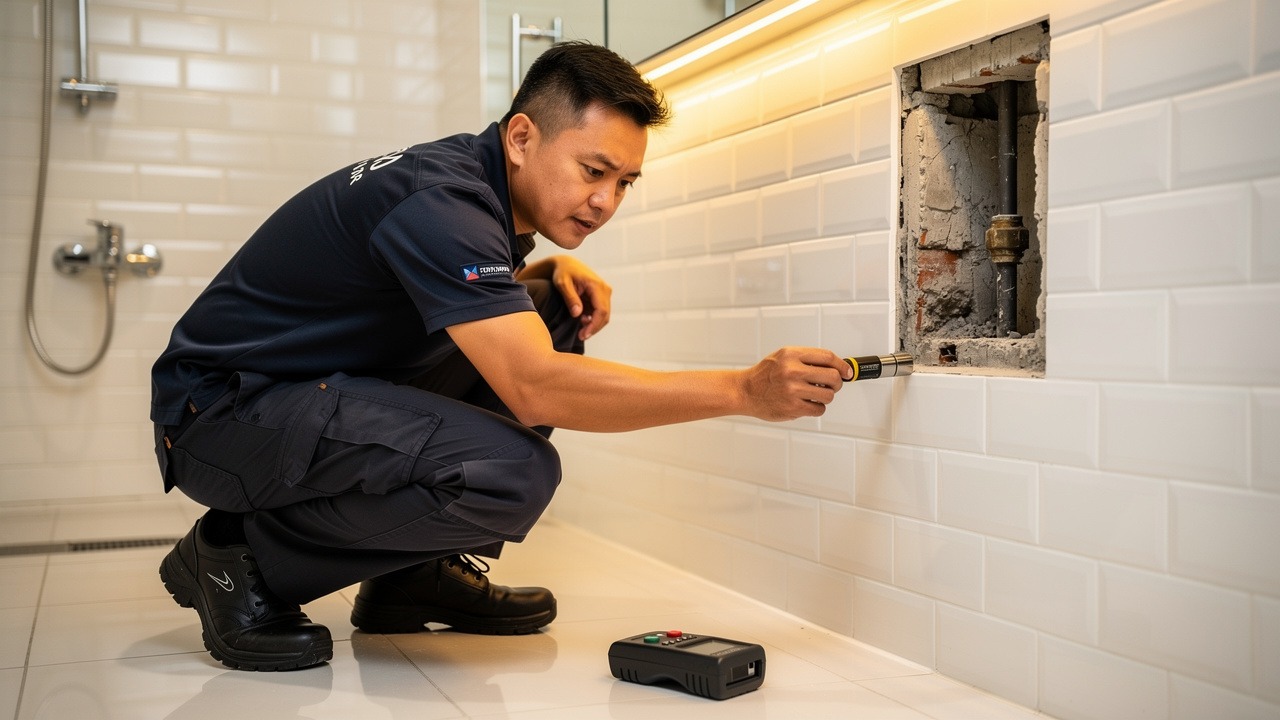
Choosing the right water leakage specialist in Singapore means looking beyond the lowest quote. The best contractors combine sound technical skills with clear communication and dependable after‑service support.
Modern leak diagnosis relies on proper tools such as hydro‑acoustic listening gear, thermal cameras, and calibrated moisture meters. Ask which methods a contractor uses and whether they can show readings or images from past cases. Reputable firms in Singapore, such as Allstar Waterproofing & Services, also give written reports and warranties so you know exactly what has been repaired.
| Factor | What To Check | Why It Matters |
| Experience And Focus | Years in leak and waterproof work; HDB, condo, and commercial projects | Regular work on similar buildings helps the team spot patterns and fix problems faster. |
| Diagnosis Methods | Acoustic tools, thermal imaging, moisture meters, flood or pressure tests | Non‑invasive testing finds hidden leaks with fewer holes in your walls and floors. |
| Warranty And Insurance | Workmanship warranty length and public‑liability cover | Written backing protects you if a leak returns or damage happens during work. |
| Transparency | Site photos, itemised quotes, clear options | Clear breakdowns show what you pay for and make it easier to compare contractors. |
| Reviews And Response Speed | Google ratings, case studies, and reply time | According to BrightLocal, almost all consumers read online reviews for local services, so a strong record builds trust quickly. |
Digital presence also affects who appears first when someone types “water leak help” into Google late at night. A strong digital presence, including local SEO, clear service pages, reviews, and easy contact options, helps reliable specialists appear when property owners search for urgent leak help. That work sends more qualified calls to companies that invest in training, tools, and worker safety.
When you speak with any contractor, ask to see before‑and‑after photos, method statements, and sample reports. Check that the company follows guidance from bodies such as HDB and the Building and Construction Authority. If details sound vague or rushed, look elsewhere even if the price looks attractive; a cheap repair that fails within months usually costs more once you add repeated hacking and repainting.
“Price matters, but leak diagnosis and warranty terms matter more. “Property owners remember fast help that actually solves their problem.”
Who Is Responsible For Water Leakage Repairs In Singapore HDB Flats?
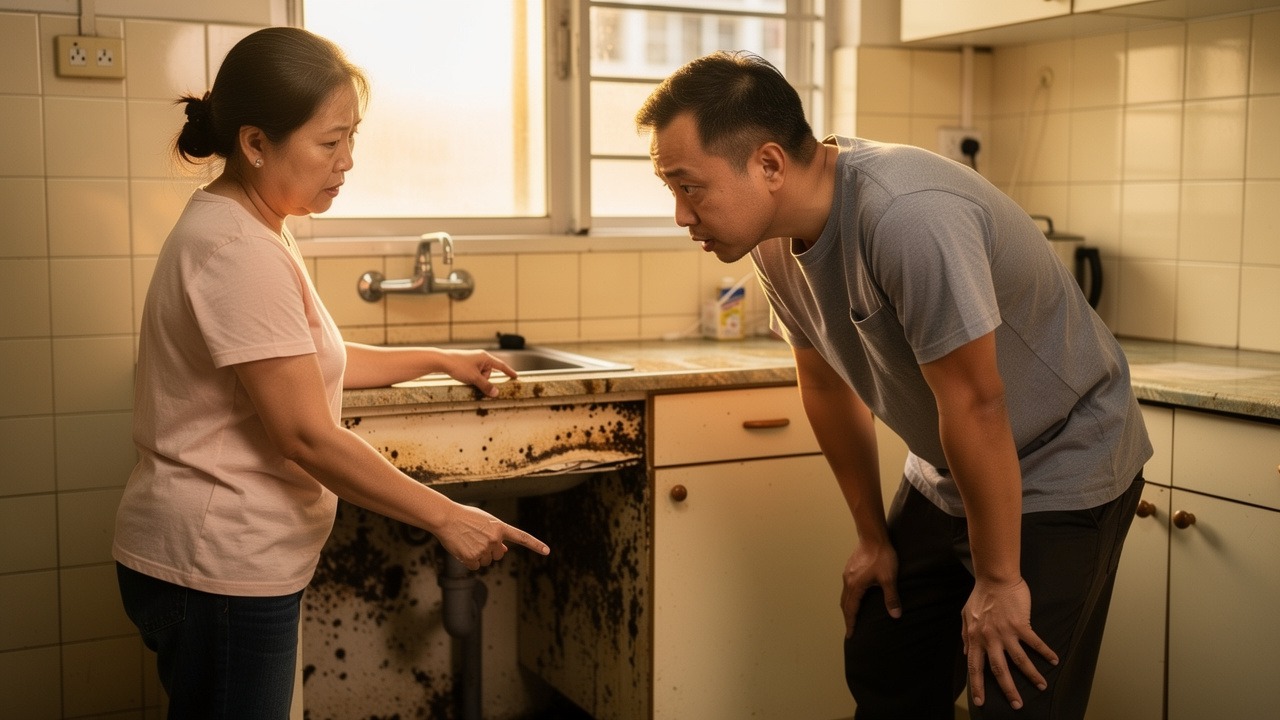
Responsibility for water leakage repairs in Singapore HDB flats depends on where the leak starts. Knowing this helps you speak to the right party first and avoid long arguments with neighbours.
| Leak Area | Main Responsible Party |
| Within Defect Liability Period for a new flat | HDB arranges and pays for repairs when defects come from original construction. |
| Roofs and external walls that are common parts | The Town Council in charge of your block manages inspection and repair. |
| Inside your own flat (windows, air‑con openings, internal pipes) | The flat owner engages a licensed contractor and pays for repair and reinstatement. |
| Between two units (floor slab and ceiling) | Upper and lower flat owners share cost, often together with HDB under the Goodwill Repair Assistance scheme. |
Always take clear photos and videos of stains, drips, and defect areas as early as possible. According to HDB, prompt reporting and cooperation between neighbours help leaks get solved faster and keep repair costs lower for everyone. If you suspect a structural problem or cannot reach agreement, you can approach your Town Council or HDB branch office for guidance.
Take The Right Step – Protect Your Property Before Damage Gets Worse
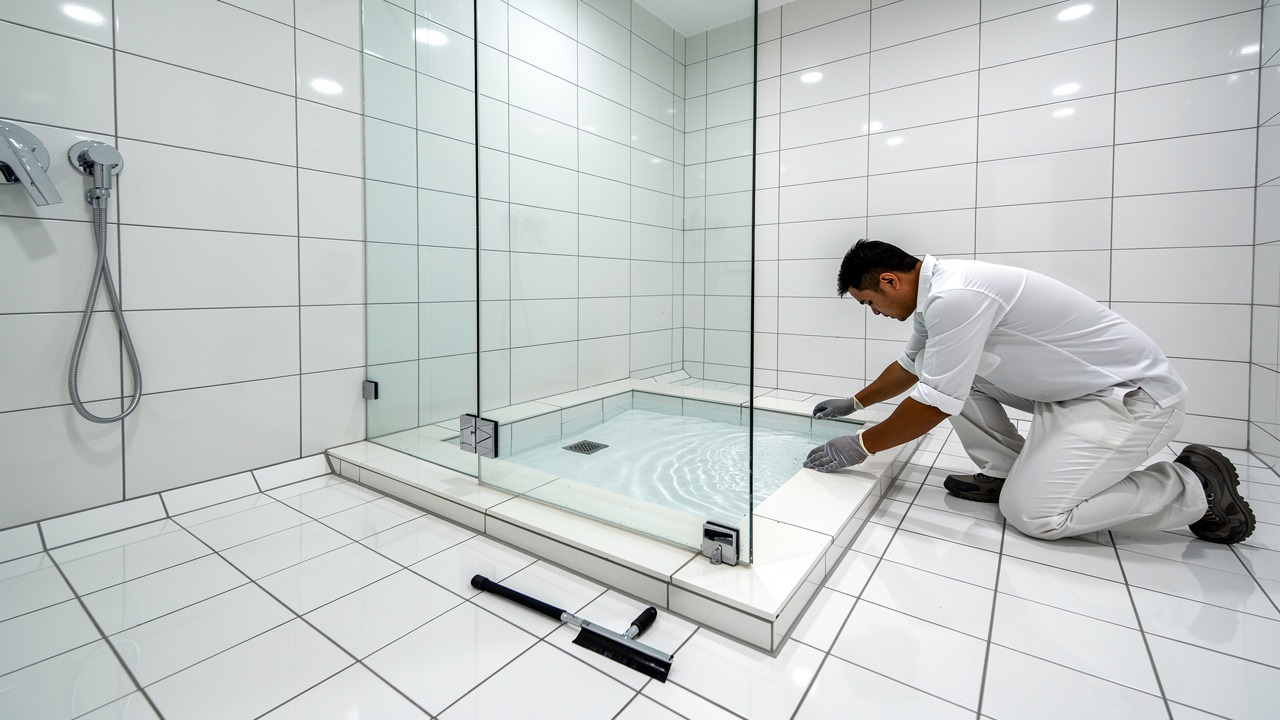
Water leakage in Singapore worsens quickly because of heavy rain, high humidity, and dense high‑rise living. Acting early with a qualified specialist protects both your property value and your family’s health, while waiting often leads to swollen cabinets, corroded steel, and costly mold remediation.
Full‑service contractors such as Allstar Waterproofing & Services combine leak detection, repair, and waterproof work across roofs, walls, and wet areas. With more than 20 years of combined experience, over 3,000 local projects, free inspections, and a one‑year warranty, they show how a focused specialist can give owners lasting peace of mind. When you spot the first stain or musty smell, book a visit before damage spreads.
If you are comparing water leakage specialists online, look for clear service information, recent reviews, real project examples, transparent quotations, and easy ways to request an inspection. The right contractor should make the repair process understandable before work begins, not leave you guessing about the source of the leak, the method used, or the warranty terms.
Frequently Asked Questions
These short answers cover common questions owners ask before hiring a water leakage specialist in Singapore. For large or complex leaks, always confirm details directly with your chosen contractor or with HDB.
Question: How much does it cost to hire a water leakage specialist in Singapore?
Costs vary because contractors price by leak type, severity, access difficulty, and repair area size. Small toilet or ceiling repairs may start from a few hundred dollars, while roof or external‑wall work costs more. Reputable firms such as Allstar Waterproofing & Services provide free inspections and itemised quotes.
Question: How long does a water leakage repair typically take in Singapore?
Simple repairs, such as sealing a localised bathroom leak or replacing a short pipe section, often finish within a day. Larger works that involve waterproof membranes on roofs or walls may take two to five days, including drying time, so always ask for a written schedule.
Question: Can water leakage cause mold problems in my home?
Yes. Ongoing water leakage almost always leads to mold and mildew if left untreated. Mold spores can trigger allergies and breathing issues, especially for children and older occupants, so proper repair removes the moisture source and then cleans or replaces affected materials.
Question: Is waterproofing the same as water leakage repair?
Water leakage repair deals with the immediate problem, such as fixing a burst pipe, sealing a crack, or replacing failed grout. Waterproofing applies protective membranes or coatings to stop future water entry, so many specialists offer both repair and preventive waterproof work.
Question: What should I do immediately when I discover a water leak in my Singapore home?
If you suspect a plumbing leak, first shut the main water valve to limit damage. Take clear photos and videos of all wet areas for records and insurance, then contact a professional water leakage specialist quickly rather than relying on short‑term DIY fixes that may hide deeper issues.