Water leakage in Singapore buildings should be treated early, not after the stain becomes a drip. A small damp patch on a ceiling, wall, or window frame can point to hidden seepage from a roof, bathroom, balcony, pipe, or external façade.
For simple issues such as a loose tap or minor surface sealant gap, a quick fix may be enough. For leaks inside ceilings, walls, slabs, roofs, or wet areas, professional diagnosis is safer. It reduces unnecessary hacking, protects finishes, and helps prevent the same leak from returning after the next heavy rain.
Allstar Waterproofing & Services handles water leakage repair, roof waterproofing, wet area waterproofing, roof repair, concrete repair, and rope access work for residential, commercial, and industrial properties in Singapore.
What Is Water Leakage?
Water leakage happens when water enters areas it should not reach. In buildings, this may appear as ceiling stains, damp walls, bubbling paint, mould, dripping water, or damaged plaster.
Common leak locations include:
- Bathroom floors and walls
- Kitchen and balcony areas
- Flat roofs and tiled roofs
- External walls and window frames
- Concrete slabs and ceiling joints
- Pipes hidden inside walls or floors
- Basement, car park, or structural cracks
The visible stain is not always the source. Water can travel along beams, pipes, tiles, or ceiling boards before appearing elsewhere. That is why proper inspection matters.
Why Water Leakage Repair Is Urgent in Singapore
Singapore’s frequent rain and humid conditions make trapped moisture difficult to dry naturally. Once water enters concrete, plaster, or ceiling boards, it can spread and cause further damage.
Delaying repair may lead to:
- Larger ceiling or wall stains
- Mould and musty smells
- Peeling paint and swollen surfaces
- Damaged flooring, furniture, or stock
- Electrical safety concerns
- Complaints from tenants or neighbours
- Higher reinstatement costs
For shops, offices, clinics, tuition centres, and food outlets, water leakage can also affect customer confidence and daily operations. Early repair helps keep the space safe, clean, and usable.
Common Causes of Water Leakage in Singapore Properties
Failed Bathroom or Balcony Waterproofing
Bathrooms, toilets, kitchens, and balconies are high-risk areas because they are exposed to water often. Over time, grout lines, tile joints, screed, and membranes can weaken. Water may then seep into the ceiling below.
Allstar provides hacking and non-hacking wet area waterproofing for bathrooms, toilets, kitchens, balconies, and swimming pools.
Roof and External Wall Problems
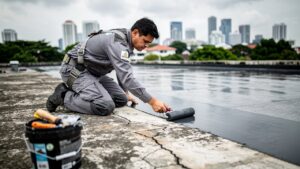
Roof leaks may come from cracked surfaces, weak joints, damaged tiles, ageing coatings, or blocked drainage points. External wall leaks often come from cracks, worn sealant, or water entering around window frames.
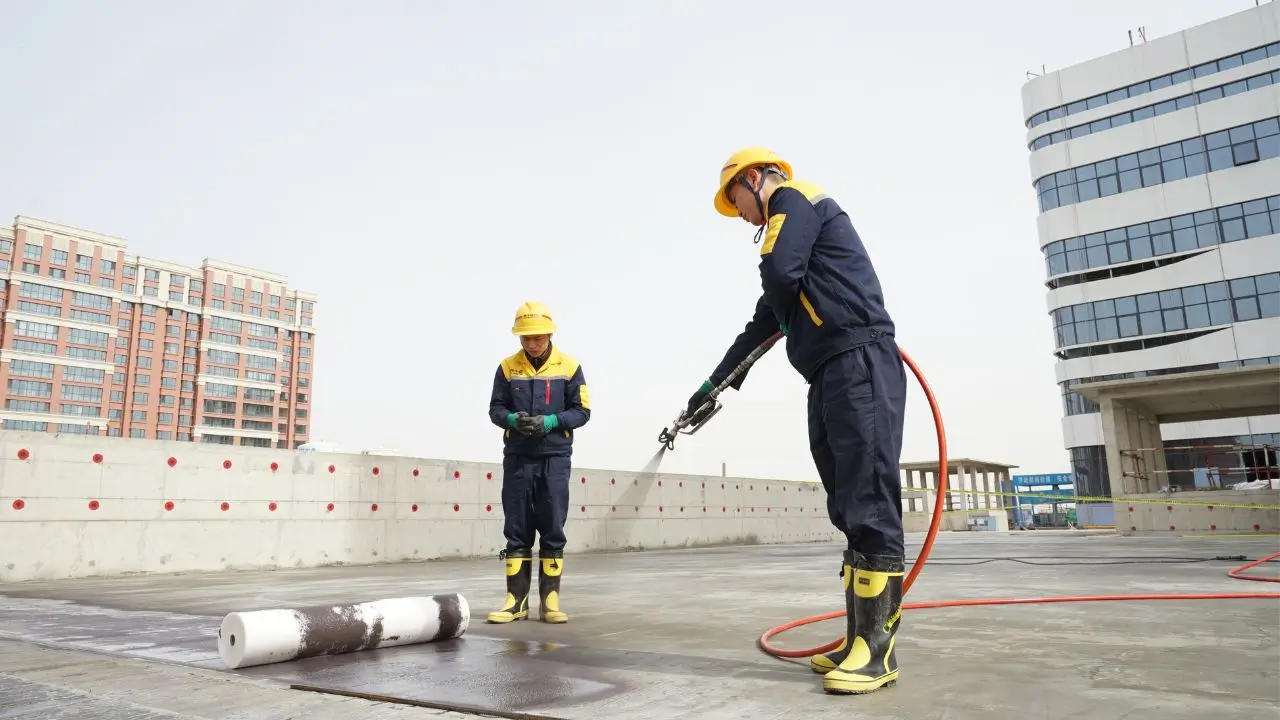
Allstar’s roof waterproofing services cover different roof types, including metal, tile, and flat concrete roofs.
Concrete Cracks and Spalling
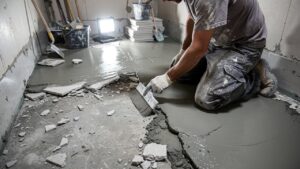
Concrete affected by long-term moisture may crack, weaken, or spall. Once water reaches reinforcement, rust can expand and push concrete outward. Concrete repair may be needed before waterproofing can fully protect the area.
Pipe and Plumbing Leaks
Concealed pipe leaks can be difficult to spot. Signs may include damp patches that appear even when it has not rained, water marks near pipe routes, or unexplained moisture in walls or floors. Pipe-related cases may require plumbing checks as part of the diagnosis.
How Professionals Diagnose Water Leakage
A reliable contractor should inspect before recommending a repair method. The inspection may include checking wet areas, roof surfaces, drainage, wall cracks, window frames, ceiling stains, and the history of the leak.
For more complex cases, specialists may use moisture checks, surface inspection, controlled testing, or targeted opening of affected areas. The goal is to identify the likely source before repair begins.
Allstar highlights free comprehensive inspections and clear discussions before quotation, helping property owners understand the issue and proposed scope.
Water Leakage Repair Methods That May Be Used
The right method depends on the source and severity of the leak.
Common methods include:
- New waterproofing membrane for bathrooms, roofs, or balconies
- Non-hacking waterproofing for suitable wet areas
- Crack injection for concrete seepage
- Sealant replacement around joints and windows
- Roof coating or tile restoration
- Concrete repair before waterproofing
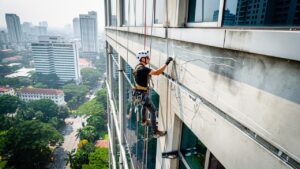
- Rope access repair for difficult external areas
Allstar also provides rope access services using IRATA-certified professionals for hard-to-reach locations, which is useful for high-rise external walls and façade repairs.
How to Choose a Water Leakage Repair Contractor
Before confirming work, ask for:
- A site inspection
- A clear explanation of the likely cause
- An itemised quotation
- The proposed repair method
- Expected work duration
- Warranty terms in writing
- Relevant safety and trade credentials
- Photos or examples of similar work
Allstar states that it has over 20 years of experience, has served more than 3,000 properties, holds BCA certification and bizSAFE3 credentials, and provides a one-year warranty for repair work, with extended warranty options available for discussion.
FAQ
How much does water leakage repair cost in Singapore?
The cost depends on the leak source, affected area, access difficulty, and repair method. A site inspection is usually needed before an accurate quotation can be given.
Can water leakage be repaired without hacking?
Yes, some bathroom, balcony, and wet area leaks can be repaired without hacking. Suitability depends on tile condition, grout gaps, water path, and leak severity.
How long does water leakage repair take?
Small sealant or surface repairs may take less than a day. Larger waterproofing, roof, concrete, or wet area repairs may take several days or longer depending on curing time and access.
When should I call a specialist for water leakage?
Call a specialist when you notice ceiling stains, damp walls, recurring leaks, mould, peeling paint, or water marks after rain. Early inspection helps prevent wider damage.