Introduction
Hiring the right waterproofing specialist in Singapore protects both your property and your wallet. Leaks that look minor can spread quickly inside concrete, walls, and ceilings. In Singapore’s hot, humid climate, quick patch jobs often fail after a few storms.
When choosing a contractor, look for Building and Construction Authority (BCA) registration and BizSafe Level 3 status. Ask for a free or low‑cost inspection, a clear diagnosis, and a written quote before you pay anything. Also check for climate‑ready materials, a written warranty, and recent Google reviews.
This guide explains why experienced specialists matter, the first warning signs of water damage, and what a proper waterproofing process should look like. Use it as a hiring checklist so you can stop leaks early instead of paying for major repairs later.
Key Takeaways
These short answers cover common waterproofing questions in Singapore. Skim these points now, then come back for the details.
- Singapore’s heat and heavy rain stress every building. Good waterproofing keeps moisture out, which protects both the structure and day‑to‑day comfort inside.
- Spots, bubbles, mold, and musty smells are early leak warnings. They show that water already sits inside walls or slabs. Fixing them early keeps repair bills smaller.
- Trained waterproofing specialists follow a clear process and provide warranties. Random patch jobs skip steps, and DIY fixes often fail after a single wet season.
- Work with an experienced, BCA‑registered contractor. Choose a firm that offers on‑site inspection, diagnosis, transparent pricing, and a written warranty so you know exactly what you are paying for.
Why Every Singapore Property Needs A Waterproofing Specialist
Every property in Singapore benefits from a waterproofing specialist because the climate constantly pushes moisture into roofs, walls, and slabs. A specialist looks for the real leak source instead of just painting over stains, so repairs last far longer.
Singapore sits in the tropics, so heavy showers and bright sun hit buildings almost daily. According to Meteorological Service Singapore, the island receives more than 2,300 millimetres of rain each year. High humidity and strong UV rays break down membranes, sealants, and concrete faster than many owners expect.
HDB flats, condominiums, landed homes, and commercial or industrial blocks each have different weak points. Roof terraces, bathrooms, planter boxes, and external walls give water many chances to enter the structure. The World Health Organization links damp indoor spaces with higher rates of respiratory issues, so moisture harms both the building and the people living or working inside.
“Dampness and mold in buildings are associated with increased risk of respiratory symptoms, allergies and asthma.” World Health Organization (WHO)
A true waterproofing specialist uses testing tools, follows a clear inspection checklist, and documents the cause of each leak. Many reputable firms are registered with the Building and Construction Authority (BCA) and follow the Waterproofing Accreditation Scheme supported by the Singapore Concrete Institute. General handymen may only seal the visible crack, which often leads to repeated leaks and higher long‑term costs.
Commercial and industrial sites carry extra risk because leaks can interrupt operations and damage inventory or equipment. Management Corporation Strata Title (MCST) councils also have legal duties to maintain common roofs and facades, so reliable waterproofing protects long‑term asset value. For this reason, property owners should ask how a contractor diagnoses issues, which membranes or systems they recommend, and what written warranty they provide. Choosing a proven specialist may feel more expensive at first, yet it often saves thousands in avoided repairs and downtime later.
Warning Signs You Should Call A Waterproofing Specialist Immediately
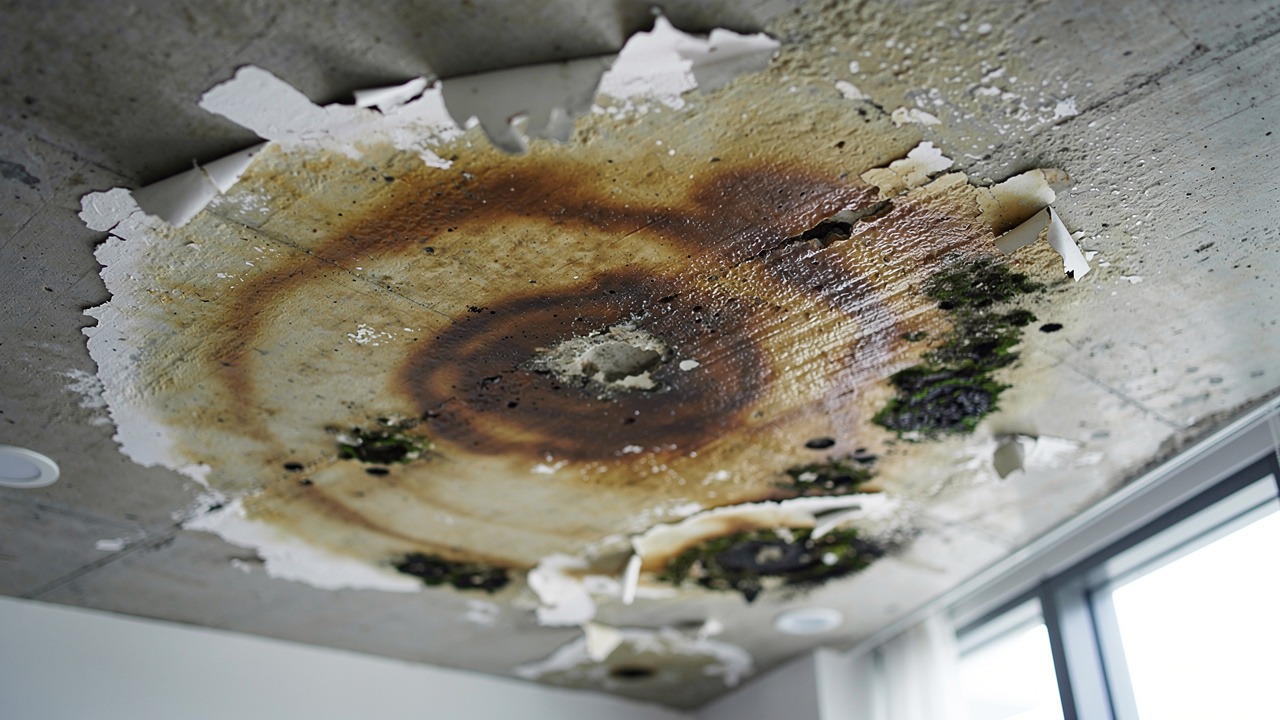
Early warning signs that you need a waterproofing specialist include stains, musty smells, recurring damp spots, and cracked concrete. These clues show that water is already inside the structure, even if the rain stopped days ago. Paying attention now keeps a small repair from turning into major hacking or structural work.
Water often travels through slabs and walls before it appears on a ceiling or floor. That is why the visible symptom may sit far from the true leak source. Ceiling stains during dry weather usually mean moisture is trapped inside concrete and needs professional investigation.
- Water stains on ceilings and walls often look like brown or yellow rings. They show that water has soaked through paint and plaster. Even if the patch dries, the source usually remains active.
- Peeling or bubbling paint tells you pressure is pushing from behind the surface. Moisture escapes and lifts the coating away. Scraping and repainting without fixing the leak only hides the problem for a short while.
- Damp or wet patches that reappear after cleaning point to water still entering. These areas may feel cooler to the touch. Over time they soften plaster, rust steel, and attract insects.
- Mold and mildew growth, usually with a musty smell, thrive on surfaces that stay damp. Spots appear in corners, behind furniture, or along grout lines. According to the Environmental Protection Agency, mold can begin forming on wet materials within 24 to 48 hours.
“Mold will usually grow on damp surfaces within 24 to 48 hours.” — U.S. Environmental Protection Agency (EPA)
- Cracked or spalling concrete, sagging ceilings, or leaks during heavy rain signal ongoing water damage. These symptoms may mean steel reinforcement is corroding. At this stage, delaying repairs risks falling pieces and structural problems.
Any one of these signs deserves a professional inspection. A licensed waterproofing specialist can test, trace the leak path, explain a clear repair plan, and often prevent far more serious damage.
What Does A Professional Waterproofing Process Look Like In Singapore?
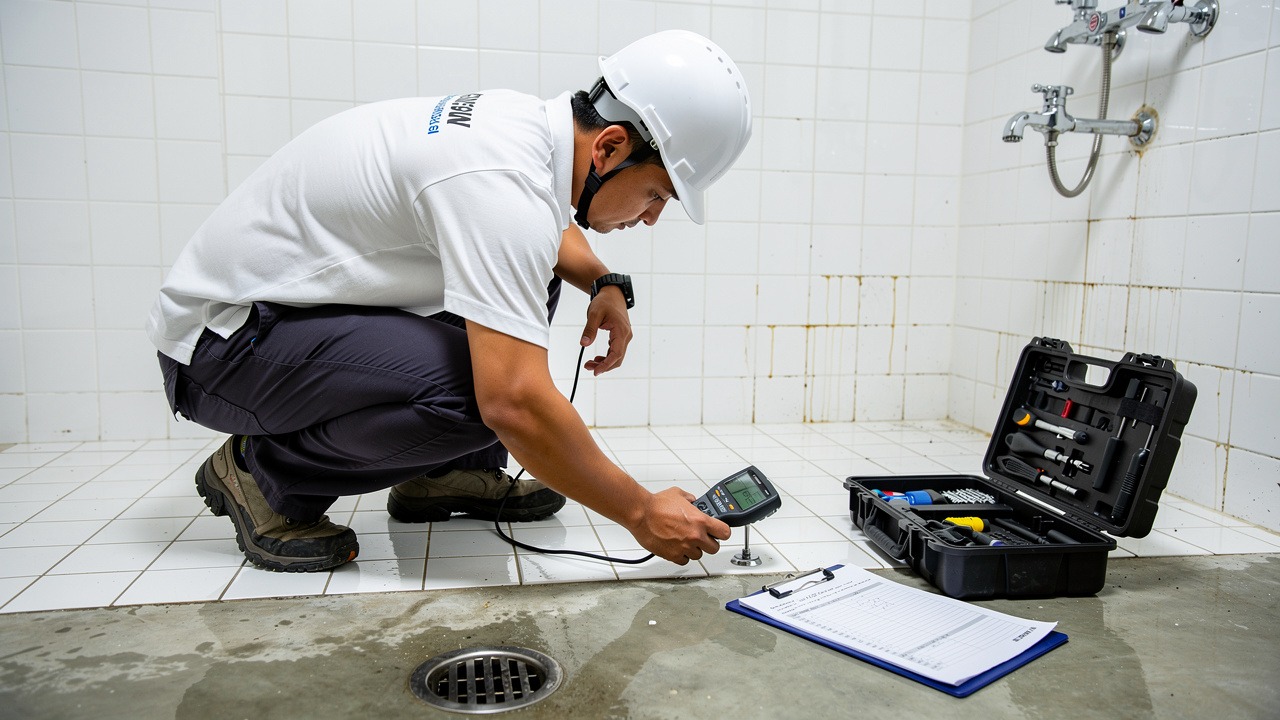
A professional waterproofing process in Singapore should follow clear steps from inspection to warranty, not random patch work. Knowing this sequence helps you judge whether a contractor behaves like a specialist or a casual handyman.
While each building is different, good companies follow a similar path. They start by finding the leak source, then choose the right system for Singapore’s climate, and finish with checks plus written records.
- Initial Inspection And Moisture Check
A trained supervisor visits the site and talks through your leak history. They check roofs, walls, and wet areas, then use tools for leak detection and to find hidden moisture. Photos and notes taken at this stage guide the repair plan. - Diagnosis And Clear Proposal
Back at the office, the team reviews their findings and identifies the root cause. You receive a written proposal that explains the issue in simple terms, outlines the methods they will use, and provides transparent pricing. Good firms also specify which areas are excluded so expectations stay clear. - Careful Surface Preparation
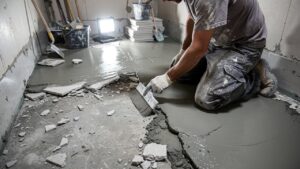
Before any coating goes on, workers clean and dry the surface, remove loose material, and repair cracks in roofs, wet areas, and walls, including spalling concrete. They may grind concrete, re‑screed ponded areas, or replace failed sealant around pipes. Proper preparation often takes longer than applying the coating but gives the system strength and durability. - Application Of The Chosen System
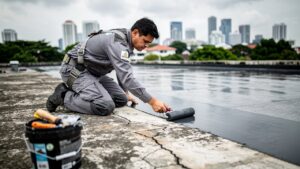
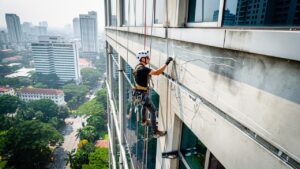
Depending on the area, this step may involve liquid membranes, torch‑on sheets, PU grouting, nano coatings, or a combination. Roofs on landed homes and factories, condo balconies, and car park decks typically receive membrane layers, while cracks in basements or lift pits may need PU injection. Rope access crews handle high‑rise façades without scaffolding, using sealants designed for Singapore’s heat and rainfall. - Quality Checks And Water Testing
After curing, the team inspects joints, corners, and outlets to spot weak points, a critical step given findings from studies on Aging-Dependent Repair Performance and interfacial durability showing that membrane bond integrity at joints degrades significantly over time without proper initial application. For flat roofs and bathrooms, they may perform ponding tests by holding water and watching for seepage below. Any flaw is corrected before handover so the system starts in good condition. - Final Report And Warranty
At the end, you receive photos, a short report, and warranty documents. Good contractors state the coverage period, what is included, and what maintenance keeps the warranty valid. This paperwork helps MCST councils, facility managers, and homeowners prove proper maintenance if issues arise later.
How Long Does Professional Waterproofing Last?
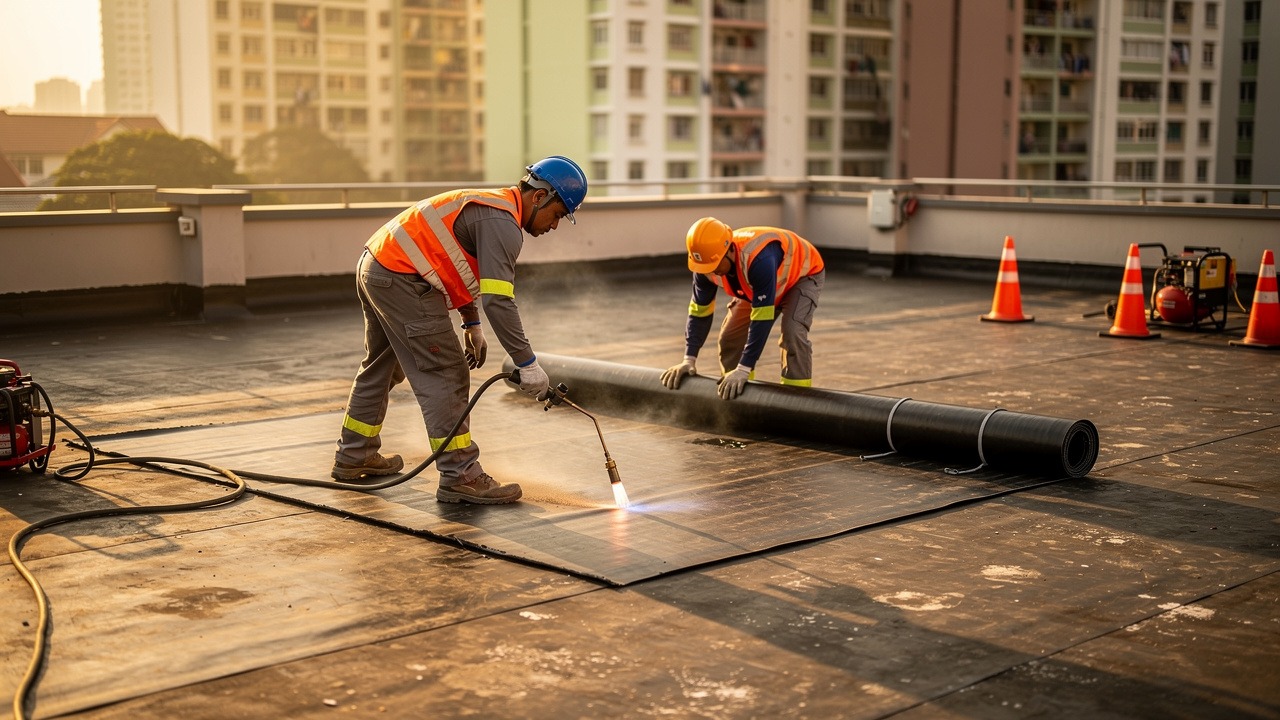
Professional waterproofing systems in Singapore usually last around 10 to 15 years when applied correctly with good materials. Guidance from the Building and Construction Authority notes that lifespan depends strongly on surface preparation and regular maintenance, not just on the brand of membrane.
Areas with strong sun and ponding water, such as open roofs and planter boxes, wear out faster than shaded bathrooms or basements. Simple checks every 12 to 18 months help you spot early cracks or failed sealant before water finds a new path. In contrast, DIY patching with hardware store products often peels within a single monsoon season and comes with no warranty support, which aligns with evidence on Aging-Dependent Repair Performance and interfacial durability showing that substandard or aged membrane systems fail far sooner than professionally installed alternatives.
A quick guide to typical lifespans:
| Area / Element | Typical Lifespan* | Common Stress Factors |
| Open flat roofs and terraces | 8–12 years | Strong sun, ponding water, foot traffic |
| Bathrooms and toilets | 10–15 years | Constant moisture, cleaning chemicals |
| Planter boxes and roof gardens | 8–10 years | Wet soil, standing water |
| Basements and lift pits | 10–15 years | Hydrostatic pressure, groundwater |
Actual lifespan depends on design, materials, workmanship, and ongoing maintenance.
How To Choose The Right Waterproofing Specialist In Singapore

Choosing the right waterproofing specialist in Singapore means checking licences, safety records, skills, and service attitude — not just price. A simple checklist helps you compare contractors fairly and avoid smooth talkers who promise miracles over the phone.
Most owners now search online before they ever pick up the phone, often typing waterproofing specialist singapore into Google, so the best specialists need both strong field work and a trustworthy online presence.
Homeowners, MCST councils, and facility managers who prefer a proven contractor can consider Allstar Waterproofing & Services, a Singapore‑based waterproofing and roofing company with over 20 years of combined industry experience. The team has served more than 3,000 properties across the island and provides free inspections, transparent pricing, and repair work backed by a one‑year warranty.
Use this short list of non‑negotiables before anyone starts work on your roof, bathroom, or façade:
- BCA Registration And Safety Credentials
Pick contractors registered with the Building and Construction Authority (BCA) and holding BizSafe Level 3 or higher. This shows they follow construction and workplace safety rules in Singapore. Without these, you carry extra risk if an accident or defect occurs. - Experience And Proven Projects
Look for a strong track record across HDB flats, condos, landed homes, and commercial or industrial sites. Long‑running firms with thousands of completed jobs usually have seen most leak types. Research from BrightLocal shows that almost every consumer now reads online reviews, so these comments reveal service quality. - Proper Diagnosis Before Treatment
Be wary of anyone who suggests coating or hacking work over the phone without a visit. A reliable specialist insists on inspection, tests likely sources, and explains why water appears in a particular spot. This habit reduces the chance of repeat leaks. - Quality Materials Suited To Singapore
Ask which membrane or PU system the team plans to use and why, as innovations such as those described in research on Synthesis of Amphiphilic Polyether-Modified silicone oil polymers demonstrate that advanced formulations can substantially enhance both waterproofing and corrosion resistance compared to conventional products. Good contractors work with brands rated for UV and frequent rain instead of unknown products. They also match methods such as PU grouting or nano coatings to the specific problem. - Written Warranty And Transparent Pricing
Always ask for a written warranty with clear terms, at least one year for repairs. Reputable firms break down labour, materials, and access costs in their quotations. Demands for large upfront payment without an itemised scope should ring alarm bells.
Online visibility matters too, but property owners should still judge contractors by credentials, inspection quality, transparent quotations, recent reviews, and written warranty terms.
The Right Answer To Your Waterproofing Challenges Starts Here
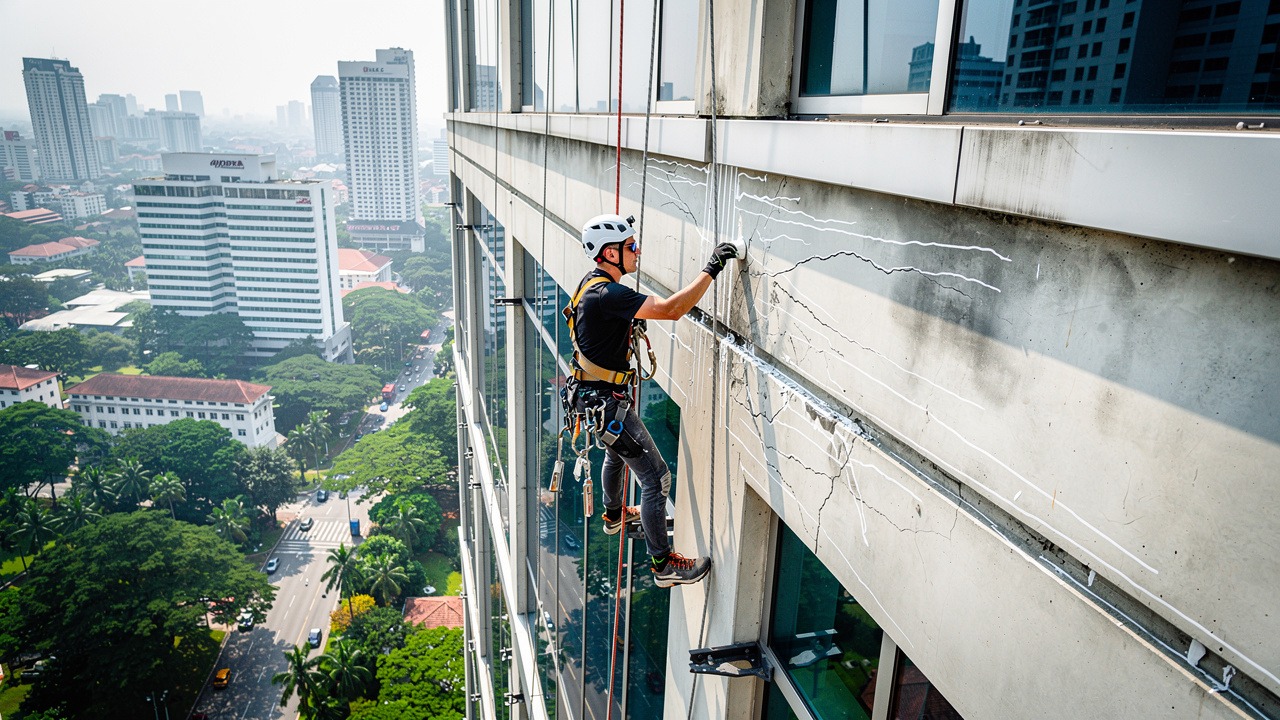
The right answer to recurring leaks is not more patch work it is hiring a proven waterproofing specialist with a clear process. When you engage someone who inspects first, explains the root cause, and backs the work with a written warranty, you protect both your building and the people inside.
Property owners who want long‑lasting repairs instead of short‑term patches can reach out to Allstar Waterproofing & Services for a free inspection and detailed repair plan. The team focuses on long‑term roof and wet‑area waterproofing for homes, condos, commercial properties, and industrial sites across Singapore.
If you are comparing contractors online, look for clear service pages, real project examples, transparent warranty terms, and easy ways to request an inspection. Acting early protects your property, reduces repair costs, and helps prevent small leaks from becoming major structural problems.
Frequently Asked Questions
These short answers cover common waterproofing questions in Singapore. Keep them handy when speaking with a specialist.
Question: How much does waterproofing cost in Singapore?
Waterproofing work in Singapore typically ranges from a few hundred dollars for small bathroom repairs to several thousand dollars for larger roof projects, depending on the affected area, access, and method used.
Question: Is waterproofing covered under HDB or condo maintenance responsibilities?
Generally, upper‑floor owners handle bathroom floor waterproofing, while the MCST manages common roofs and façades. Always confirm with your strata by‑laws or the latest Building and Construction Authority (BCA) guidance.
Question: What is the best time of year to do waterproofing in Singapore?
Contractors usually prefer the drier months, around May to September. Work done then cures better before the northeast monsoon brings extended periods of rain.
Question: Can waterproofing be done without hacking tiles?
Yes. Options include liquid membranes over existing tiles, nano coatings, and PU injection. These methods reduce mess, shorten downtime, and suit many homes and offices.
Question: How can a waterproofing business in Singapore get more leads online?
Most owners start with Google when leaks appear, often by searching waterproofing specialist singapore. A waterproofing business in Singapore can get more leads online by improving local SEO, keeping Google Business Profile updated, publishing clear service pages, showing real project photos, collecting reviews, and making inspection requests easy through forms or WhatsApp.