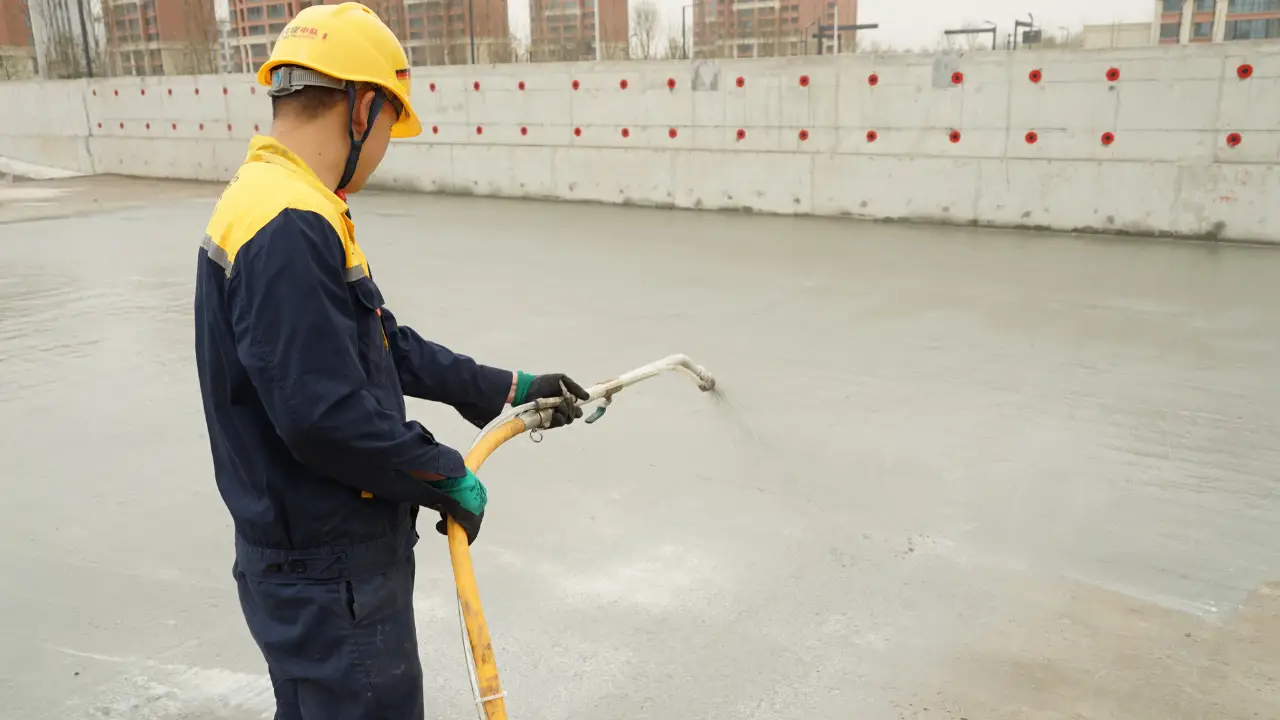
Introduction
Looking for roof waterproofing in Singapore and a contractor you can truly trust can feel risky. Many owners hear stories of fixes that fail within a year. No one wants leaks to come back right after paying for repairs.
The safest way to choose a reliable company is to focus on proof, not promises. Pick a roof waterproofing contractor that is BCA-registered, carries insurance, offers a written warranty, and inspects your roof before quoting. Ask for itemized pricing, recent local references, and photos of similar projects so you know they handle properties like yours.
This guide explains why Singapore’s climate is so tough on roofs, the warning signs that your waterproofing has failed, and which methods fit different roof types and budgets. You will also see typical pricing, lifespan ranges, and a clear checklist for picking a transparent, accountable waterproofing partner.
Insights in this guide reflect the experience of specialists such as Allstar Waterproofing & Services in Singapore, which focuses on long-lasting waterproofing for homes, condos, commercial buildings, and industrial properties across the island.
Key Takeaways
- Singapore’s climate makes waterproofing a basic shield, not a luxury add-on. Heavy rain, strong sun, and high humidity punish exposed roofs every single day. Without a proper system, small cracks turn into leaks that spread fast through ceilings and walls.
- Early warning signs give you time to act before major damage happens. Water stains, peeling paint, mold spots, or musty smells all signal moisture inside the structure. Sagging roof sections and standing water after rain show your current system is no longer doing its job.
- Different properties need different waterproofing methods. Flat concrete roofs often suit bituminous or acrylic systems, while complex or flexible structures benefit from polyurethane liquid membranes. Lifespan ranges from about five to twenty-five years depending on material and maintenance.
- Roof waterproofing in Singapore has a wide price range, so context matters. Rates often start from about five to twenty dollars per square meter for basic systems. Roof size, access difficulty, repairs needed, and membrane quality all shape the final quote you receive.
- A reliable contractor focuses on inspection, clarity, and aftercare instead of hard selling. You should see BCA licensing, written warranties, and line-by-line quotations. Open communication and real project references matter more than the lowest price or the flashiest website.
Why Singapore’s Climate Makes Roof Waterproofing Non-Negotiable
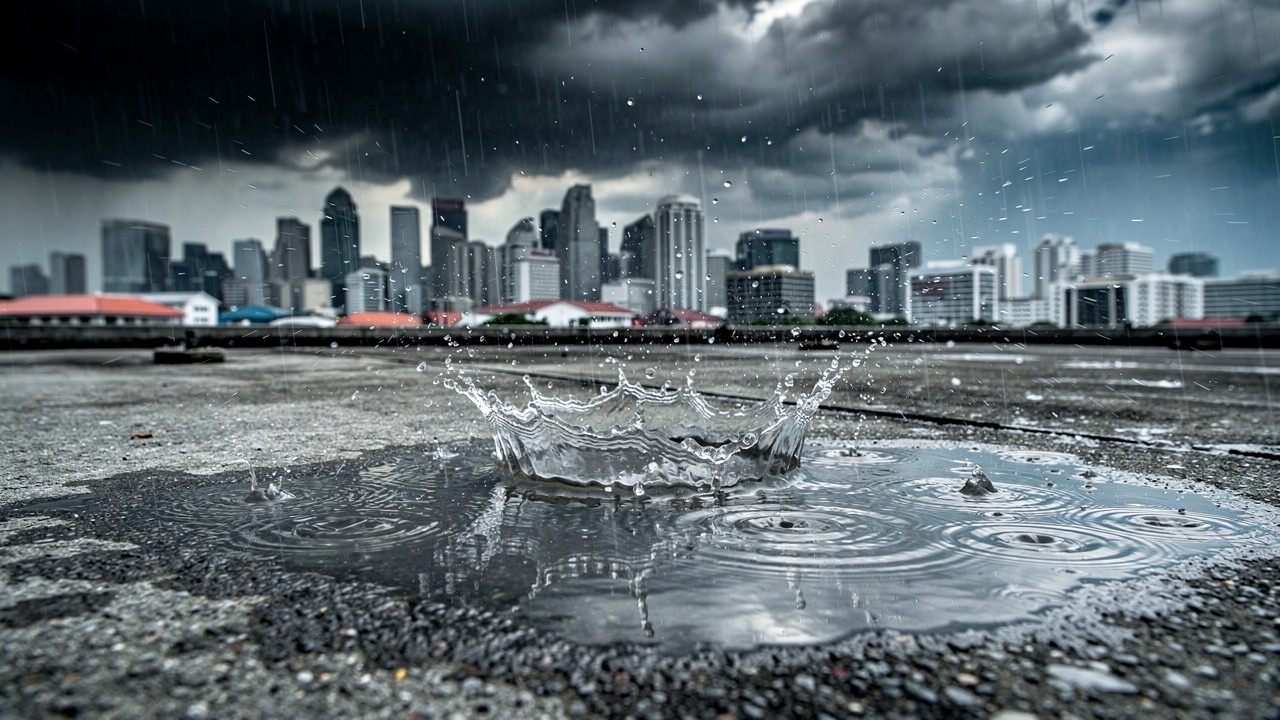
Singapore’s hot, wet climate makes roof waterproofing a basic layer of protection for any serious property owner. Constant rain, intense sun, and high humidity wear out roofs much faster than in cooler, drier countries.
According to Meteorological Service Singapore, the island receives more than 2,000 millimeters of rain each year. Add year-round humidity often above 80 percent and strong UV exposure, and you get a daily cycle of heating and cooling. Roof materials expand in the afternoon heat and contract at night, which slowly forms hairline cracks in concrete, sealants, and tile joints a cumulative degradation process that researchers have sought to quantify through a method to calculate annual outdoor UV and environmental exposure on building surfaces.
Reinforced cement concrete, which many commercial and industrial roofs use, is strong but not naturally waterproof. Water eventually seeps through tiny gaps and pores, then tracks along beams, walls, and ceiling boards. Over time this leads to rust in steel bars, spalling concrete, peeling paint, and swollen wooden fittings.
Moisture inside the building also affects health. The World Health Organization reports that people living or working in damp, moldy spaces face up to 50 percent higher risk of respiratory problems. For SME owners, that can mean more sick days, lower morale, and unhappy tenants or customers.
“If you can see stains or mold, water has already been entering the structure for some time.” — Allstar Waterproofing & Services, Singapore
This is why skipping waterproofing or delaying repairs becomes a business risk, not just a cosmetic issue. A proper waterproofing system acts like a raincoat for your roof so the structure underneath stays dry, safe, and less costly to maintain over many years. Contractors such as Allstar Waterproofing & Services recommend periodic inspections even on newer roofs, because the climate puts every exposed surface under constant stress.
What Are The Warning Signs Your Roof Needs Waterproofing?
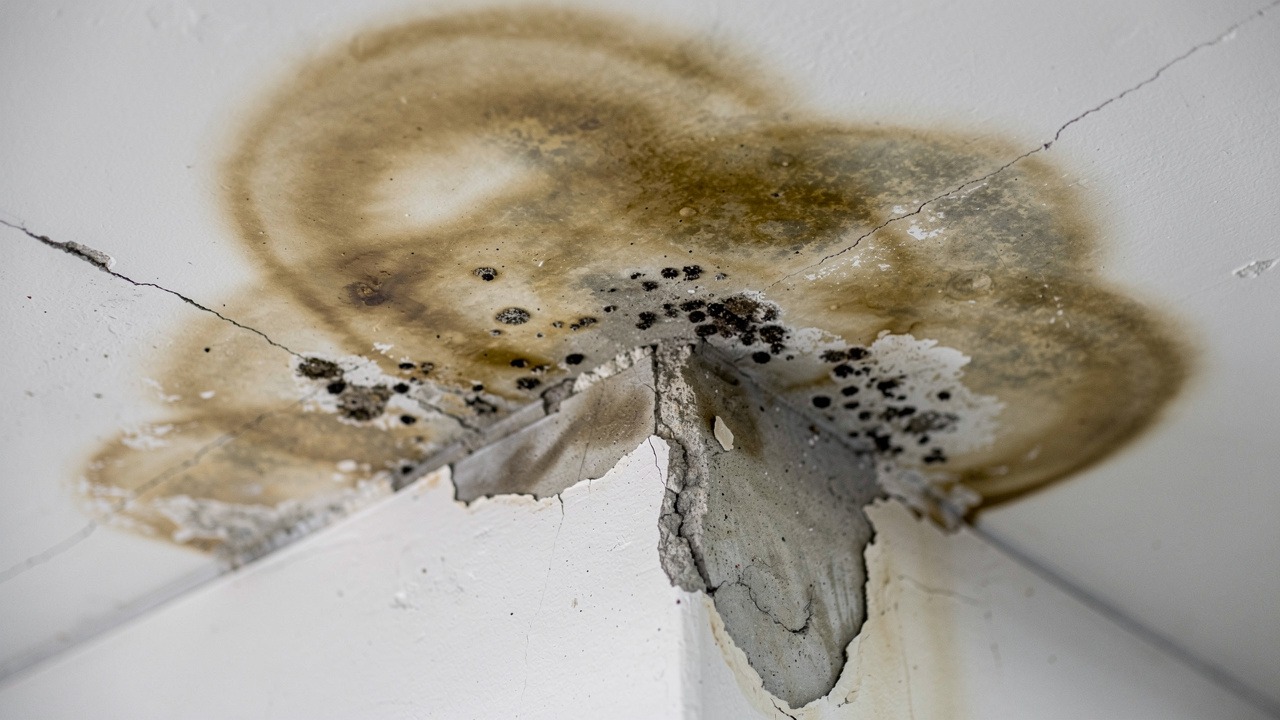
The warning signs that your roof needs fresh waterproofing in Singapore often start small but escalate quickly. Recognizing them early helps you fix problems while they are still manageable and more affordable.
The most obvious clue is water where it should never be. After heavy rain, you might notice brown rings on ceilings, damp patches on walls, or actual dripping. In multi-storey buildings, yellow stains on ceilings below bathrooms or roof terraces usually point to failed waterproofing above.
Once moisture enters the building, indoor air quality also suffers. The US Environmental Protection Agency notes that indoor pollutant levels can be two to five times higher than outdoors, and dampness from leaks is a common trigger. That mix often leads to musty smells and mold growth.
Common warning signs include:
- Water stains on ceilings or walls that appear or grow after storms. These marks may start faint, then darken or spread over time. They show that water is tracking through concrete, plaster, or tile joints from the roof or a wet area above.
- Mold or mildew spots on paint, grout lines, or ceiling boards. Even a few small dark patches suggest enough ongoing moisture for fungi to grow. You might also notice a stale smell that lingers even after cleaning or airing the room.
- Peeling paint, bubbling plaster, or hairline cracks at wall and floor junctions. Moisture behind the surface weakens the bond between paint and substrate, so coatings lift and flake. Cracks at corners can also show where water slips between slabs and walls.
- Standing water or sagging sections on the roof after rain. Puddles that stay for hours or obvious uneven areas mean drainage is poor or the substrate has weakened. This extra load presses water into every weak joint or pinhole in the membrane.
When you spot any of these patterns, a prompt inspection from a waterproofing specialist helps you contain damage before it spreads to electrical systems, inventory, or tenant areas. In Singapore, companies like Allstar Waterproofing & Services offer free on-site inspections, which give you a clear picture of the root cause before you commit to any repair work.
Which Roof Waterproofing Method Is Right For Your Property?
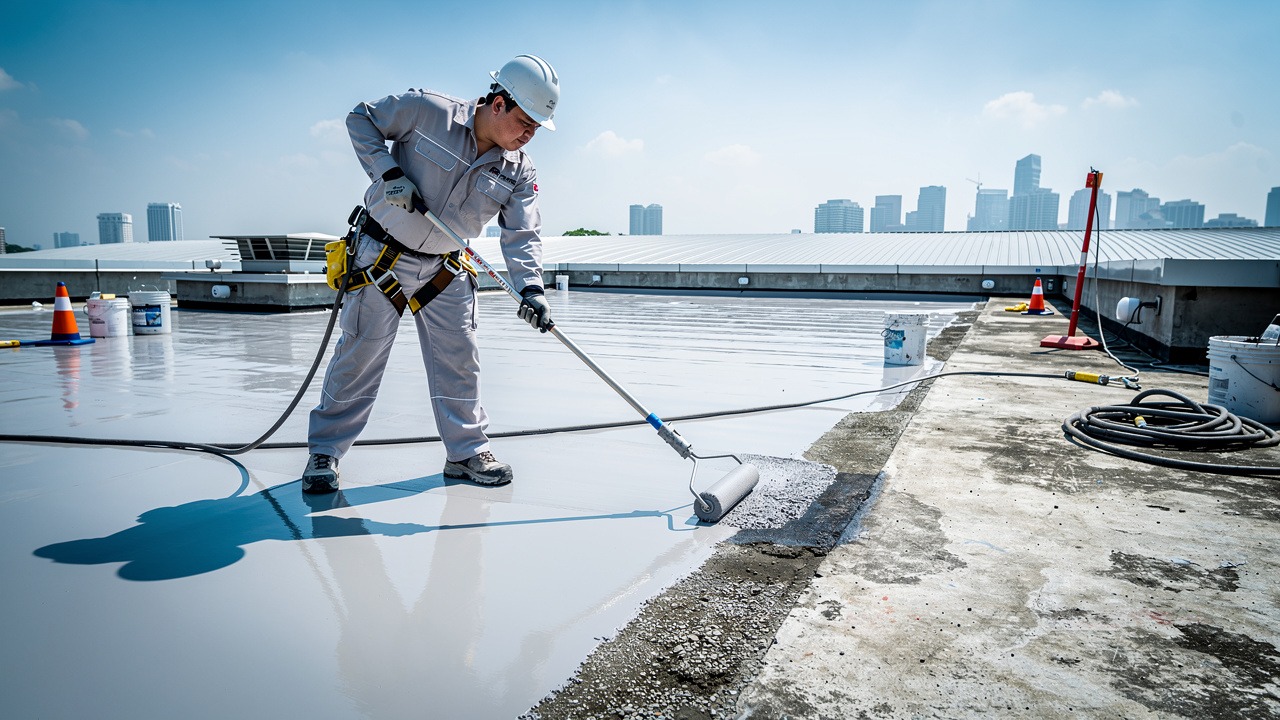
Choosing the right roof waterproofing method in Singapore starts with your roof type, how much movement it has, and how long you plan to keep the property. Different systems handle flat concrete decks, tiled roofs, and flexible steel structures in their own way.
Bituminous torch-on membranes remain a common choice for large flat roofs on factories and commercial blocks. Installers heat rolls of modified bitumen so they bond to the concrete surface, forming a tough sheet. This system gives solid UV resistance and suits roofs with gentle slopes that do not move much.
Polyurethane (PU) liquid membranes come as a coating that contractors roll or spray over the roof. Once cured, the result is a seamless skin with no joints for water to track through. High elongation lets it stretch with movement in high-rise or steel-framed buildings, which reduces the chance of cracks at corners and upstands.
Acrylic 5-layer systems and cementitious coatings fill other gaps. Acrylic membranes suit roofs that need a lighter, flexible coating, while cement-based systems fit stable concrete that needs a simple barrier. For the longest lifespan, some owners choose PVC or other synthetic sheet membranes, which can last twenty years or more with proper care.
For pitched tile or metal roofs, a specialist may recommend a mix of targeted repairs, such as resealing flashing, replacing cracked tiles, treating rusty metal sheets, and applying protective coatings at vulnerable joints instead of a full-surface membrane.
Material choice links tightly to cost over time:
- Bituminous membranes may last around five to ten years.
- Cementitious coatings tend to sit in a similar range.
- Polyurethane and acrylic systems often last ten to fifteen years.
- PVC and synthetic sheet systems can go beyond fifteen years with maintenance.
According to the Building and Construction Authority, cooling often accounts for 40 to 50 percent of energy use in non-residential buildings, so reflective waterproofing layers that keep roofs cooler can also help cut energy bills across those years a benefit tied to how different building roof types influence broader urban hydrological and thermal processes.
Waterproofing Methods At A Glance
For busy owners and facility managers, this table offers a quick way to compare common options before a contractor visit.
| Method | Best For | Typical Lifespan | Relative Cost |
| Bituminous Torch-On Membrane | Flat concrete roofs with mild movement | 5 to 10 years | Low to medium |
| Polyurethane (PU) Liquid Membrane | Complex or moving roofs, steel structures | 10 to 15 years | Medium to high |
| Acrylic 5-Layer System | Flat roofs needing flexible thin coatings | 10 to 15 years | Medium |
| Cementitious Coating | Stable RC roofs and terraces | 5 to 10 years | Low |
| PVC / Synthetic Sheet Membrane | Large roofs needing long service life | 15+ years | High |
Higher-grade membranes and better workmanship cost more at the start but often reduce leaks, call-backs, and business disruption over the life of the building. A contractor like Allstar Waterproofing & Services will usually explain two or three suitable options so you can balance budget and lifespan.
How To Choose A Reliable Roof Waterproofing Contractor In Singapore
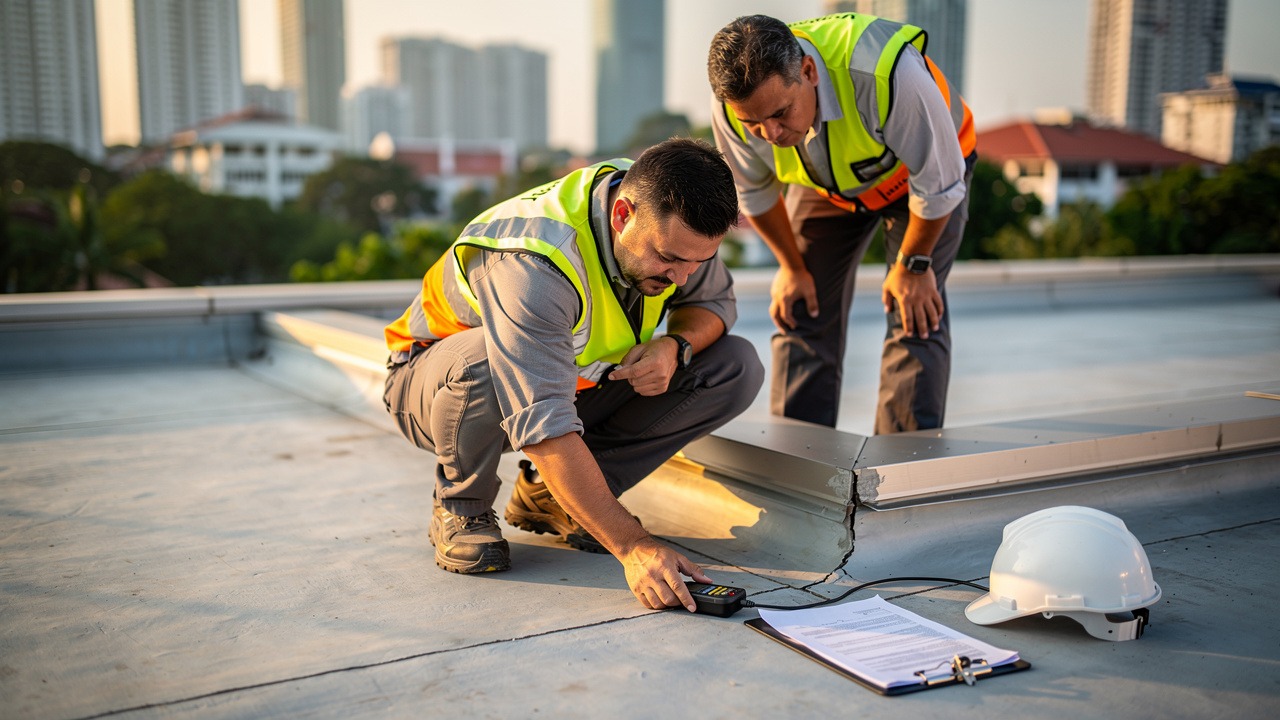
Picking a reliable contractor for roof waterproofing in Singapore matters as much as the material you choose. The right team diagnoses the real cause of leaks and stands behind their work, while the wrong choice leads to repeat problems and extra cost.
Start with basic qualifications. Look for companies that are registered with the Building and Construction Authority and carry public liability insurance. A serious contractor also visits your site, checks drawings if available, and inspects both the roof and any indoor damage before recommending a system.
When you compare providers, use this simple checklist:
- Licensing and relevant experience. Ask if they have handled similar roofs, such as high-rise commercial blocks, warehouses, landed homes, or older apartments. Request case studies or photos so you see actual results rather than only marketing claims.
- Inspection first, quotation second. A trustworthy contractor walks the roof, checks outlets and joints, and may carry out moisture tests. Only after this visit do they propose a method and price. If someone quotes based only on photos or floor area, treat that as a warning sign.
- Transparent pricing, materials, and warranty. A good quotation lists preparation work, membrane type, thickness, and any repairs included. Look for a clear workmanship warranty and a material warranty from the supplier. Ask what happens if leaks appear within the warranty period and how fast they respond.
- Communication and reviews that feel consistent. Read Google reviews and talk to past clients when possible. Pay attention to how the team answers questions, explains technical points, and follows up. Reliable contractors keep you updated during the job instead of going silent once you sign.
- Added value such as free inspections and clear photos. Companies like Allstar Waterproofing & Services provide free site assessments, photo documentation of defects, and progress updates, so you can see exactly what you are paying for.
“A professional contractor will conduct a thorough site inspection and clearly explain the recommended system and rationale before work begins, not after you have signed a contract.”
— Allstar Waterproofing & Services, Singapore
Choosing based only on the cheapest quote often leads to repeat leaks, extra repainting, and frustrated tenants. A contractor who invests time in diagnosis, explains options plainly, and backs work with a written warranty is far more likely to deliver a lasting repair.
The Bottom Line On Roof Waterproofing In Singapore
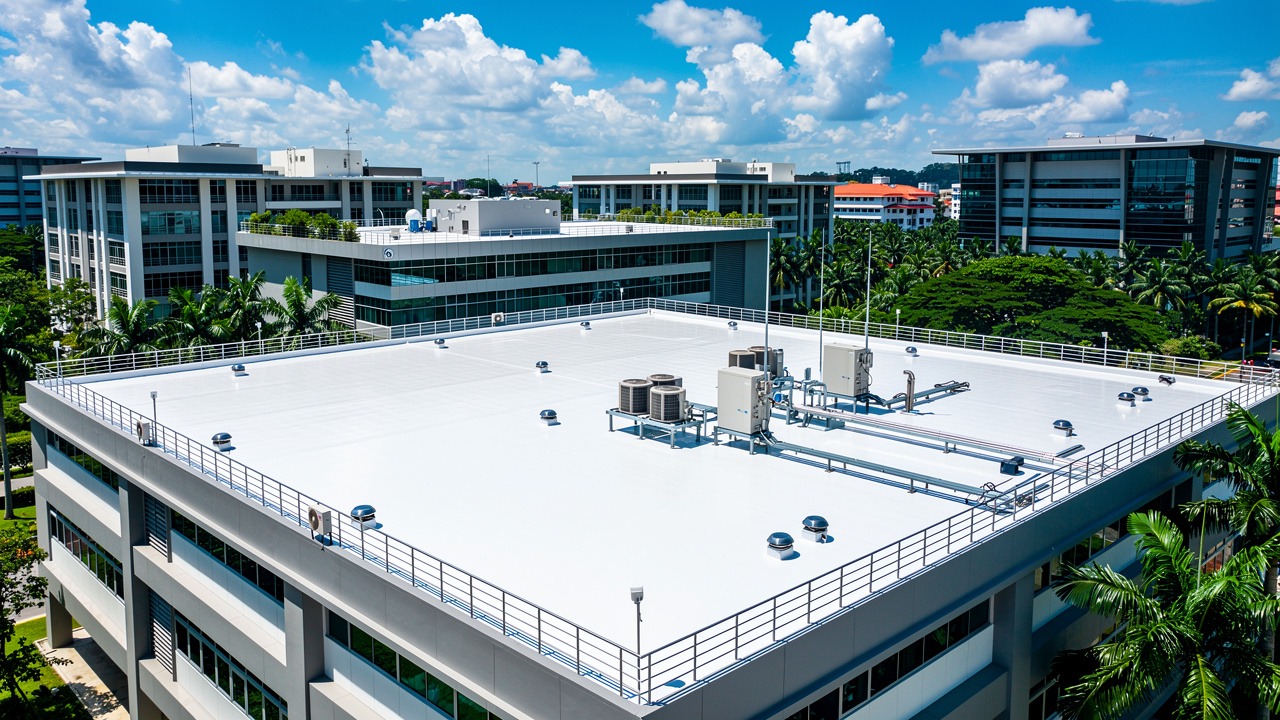
For any owner or SME with a building, roof waterproofing in Singapore is one of the highest-value protective investments you can make. A sound system shields the structure from constant rain, reduces long-term repair bills, and keeps staff and tenants safe and productive.
When you hire a specialist such as Allstar Waterproofing & Services, you are not just paying for membrane and labor. You are also paying for accurate diagnosis, proper surface preparation, and follow-up support if problems appear. That combination is what turns a simple “patch job” into a long-lasting waterproofing system.
With over twenty years of industry experience and more than 3,000 properties served across Singapore, Allstar focuses on free inspections, transparent pricing, and repair work that is backed by a one-year warranty for most projects. That level of accountability matches what property owners expect when they are trusting someone with their roof.
Conclusion
Singapore’s climate puts every unprotected roof under constant stress, so waterproofing is not just another maintenance box to tick. Leaving cracks, ponding water, or aged membranes unattended usually leads to leaks that damage your structure, your interiors, and your cash flow.
By spotting early warning signs, choosing a method that suits your roof, and working with a contractor who values inspection and transparency, you protect your building for the long run. A specialist like Allstar Waterproofing & Services can guide you through inspection, material choice, and warranty terms in plain language, so you understand exactly what you are getting.
If you suspect a leak or simply want peace of mind before the next monsoon season—schedule a professional roof check. Acting early turns waterproofing from an emergency expense into a planned investment that keeps your property dry, safe, and easier to maintain.
Frequently Asked Questions
Question 1: How much does roof waterproofing cost in Singapore?
The cost of roof waterproofing in Singapore often starts around five to twenty Singapore dollars per square meter. Prices rise when roofs are large, hard to access, badly damaged, or when higher-grade membranes are used. Always collect at least three itemized quotes from BCA-registered contractors, and compare scope, materials, and warranty terms not just price.
Question 2: How long does roof waterproofing last in Singapore?
Roof waterproofing in Singapore normally lasts between five and twenty-five years depending on the system. Bituminous and cementitious coatings sit at the shorter end, while polyurethane, acrylic, and PVC or similar membranes last much longer. Regular inspections and quick repairs of minor defects help you stretch that lifespan.
Question 3: Can I do roof waterproofing myself?
DIY roof waterproofing is not recommended for most owners. Working at height is risky, and incorrect application often traps water, voids material warranties, and creates new leak paths. A licensed professional brings proper safety gear, diagnosis skills, and the right tools for a lasting repair, along with a written warranty on workmanship.
Question 4: How often should I inspect my roof in Singapore?
You should arrange professional roof inspections at least once a year, and ideally before and after the monsoon season. In between those visits, carry out your own quick visual checks two times a year, especially after strong storms. Early discovery of stains, cracks, or ponding water keeps repair costs far lower and helps your waterproofing system last longer.