Hidden water leaks can quietly wreak havoc on your home, leading to mould growth, structural damage, and unexpectedly high water bills—though they’re typically invisible without professional water leak detection. In Singapore’s humid climate, established experts like Allstar Waterproofing, with more than 20 years of proven experience, employ advanced tools such as thermal imaging and ultrasonic detection to identify these issues swiftly and accurately. Learn to recognize the warning signs, understand the underlying science, and follow a clear step-by-step process for early detection, professional repairs, and long-term protection. You’ll also see why opting for free inspections can make a significant difference.
Key Takeaways:
- Water leakage specialists start with visual inspection to spot tell-tale signs like wall discoloration or damp spots, then use advanced tools for hidden leaks.
- Thermal imaging and ultrasonic leak detection pinpoint invisible leaks by detecting temperature differences and high-frequency sounds without invasive hacking.
- Professionals like Allstar Waterproofing combine methods for accurate diagnosis, ensuring early repair, long-term protection, and warranties for homes.
Types of Hidden Water Leakages
Hidden water leakages come in various forms, such as concealed pipe leaks in walls, inter-floor seepages in condominium units, facade leaks from weather conditions, and roofing leaks that lead to ceiling stains. These issues often go unnoticed until they cause serious problems. In Singapore homes, high humidity makes detection even more urgent.
Basement leaks and foundation leaks stem from poor drainage or cracks in the structure. Water seeps through the waterproof membrane, leading to damp spots and mould growth. Property damage escalates if ignored, affecting stability.
Underground piping failures, like issues with the discharge pipe, create hidden water leaks under slabs. These cause warped flooring or water stains over time. Experts at Allstar Waterproofing use thermal imaging to spot them early.
Common signs include dripping sounds, damp odours, or rising water bills. Regular visual inspection helps, but professional plumbers rely on moisture meters for accuracy. Prompt detection prevents neighbour disputes from inter-floor seepages.
Concealed Pipe Leaks in Walls
Concealed pipe leaks hide behind walls from corroded pipes or faulty plumbing. Water pressure changes often reveal them through wall discoloration or peeling paint. In Singapore homes, these leaks lead to structural damage if not addressed.
Listen for running water or check for damp odours. A water meter test confirms steady flow when taps are off. Allstar Waterproofing applies acoustic leak detectors to pinpoint the source.
Repair involves isolating the leaking pipe and replacing sections. Insulate pipes to prevent future issues. This approach ensures cost savings and peace of mind.
Inter-Floor Seepages in Condominiums
Inter-floor seepages occur when water from upper units drips below, often from toilet leaks or clogged drains. dye tablets in the toilet bowl help trace the toilet leaks. These cause mold growth and slippery surfaces in affected areas.
Pressure testing identifies weak points in plumbing systems. Moisture sensors detect hidden water leaks accurately. Allstar Waterproofing resolves them to avoid neighbour disputes.
Seal cracks and install a pressure regulator for leak prevention. Regular maintenance keeps plumbing systems reliable. Early action stops property damage.
Facade and Roofing Leaks
Facade leaks arise from weather conditions breaching external walls. Roofing leaks cause ceiling stains and mold mildew. In tropical climates, water intrusion damages interiors quickly.
Use infrared thermography for thermal leak detection. Manual inspection checks for gaps in seals. Allstar Waterproofing excels in these assessments.
Apply sealants and improve drainage to fix issues. Leak prevention includes clearing gutters regularly. This protects against long-term water waste.
Basement and Foundation Leaks
Basement leaks result from drainage issues or failed waterproof membranes. Foundation leaks weaken structures through underground water pressure. Signs include damp spots and musty smells.
Ultrasonic leak detection and acoustic devices locate sources precisely. Experts recommend infrared cameras for non-invasive checks. Allstar Waterproofing handles complex cases effectively.
Prompt repairs with proper waterproofing restore safety. Monitor with a central monitoring system for ongoing property maintenance. This minimizes risks in Singapore homes.
Common Hidden Sources of Water Leaks
Common culprits behind detect water leaks include faulty plumbing in plumbing systems, clogged drains, appliance malfunctions like dishwashers and washing machines, and toilet leaks in the toilet bowl such as a worn flapper valve.
In Singapore homes, these problems often stay concealed behind walls or under floors. Corroded pipes from high humidity and weather conditions can lead to slow drips that cause mold growth and structural damage over time.
Well pumps and pressure regulators also fail quietly, spiking water bills without obvious signs. Early leak detection through tools like a pressure gauge prevents neighbour disputes from inter-floor seepages.
- Faulty plumbing causes damp spots and peeling paint on walls.
- Clogged drains lead to warped flooring and slippery surfaces.
- Appliance malfunctions create dripping sounds and damp odors.
- Toilet leaks from worn parts result in constant running water.
Allstar Waterproofing uses thermal imaging and acoustic detectors for precise leak detection. Prompt repairs save on water waste and offer peace of mind.
Corroded Pipes and Faulty Plumbing
Corroded pipes in older Singapore HDB flats often hide leaks due to mineral buildup and constant moisture. These concealed pipe leaks cause wall discoloration and mold mildew without visible puddles.
A professional plumber starts with a water meter test to spot unusual flow. Visual inspection follows for water stains, then pressure testing confirms the issue.
Experts recommend regular maintenance to seal cracks and insulate pipes. Allstar Waterproofing’s leak detection systems catch these early, avoiding foundation leaks and costly property damage.
Moisture meters and infrared thermography pinpoint exact spots. This approach ensures leak prevention and long-term property maintenance.
Appliance Malfunctions and Toilet Leaks
Appliance malfunctions in dishwashers and washing machines create hidden leaks under cabinets. Toilet leaks from a faulty flapper valve waste water waste silently, detectable with dye tablets.
Listen for dripping sounds or check for damp odours around these areas. A Water Meter running with all taps off signals the problem.
Allstar Waterproofing employs acoustic leak detectors for non-invasive detection. Quick fixes prevent slippery surfaces and water intrusion into subfloors.
Manual inspection combined with moisture sensors ensures thorough checks. This leads to cost savings and avoids basement leaks in landed properties.
Clogged Drains and Well Pumps
Clogged drains in Singapore’s rainy weather cause overflow into walls, leading to facade leaks. Well pumps fail intermittently, causing erratic water pressure and hidden dampness.
Use a pressure gauge to monitor drops during use. Acoustic devices pick up unusual vibrations from these sources.
Professional services like Allstar Waterproofing use ultrasonic leak detection for accuracy. Regular checks prevent roofing leaks and drainage issues.
Insulate exposed pipes and clear drains routinely. Early intervention stops inter-floor seepages and promotes overall waterproofing.
Tell-Tale Signs of Hidden Water Leakages
Spotting tell-tale signs like water stains, damp spots, mould growth, mold mildew, or a persistent damp odor can alert you to hidden water leaks before they cause major property damage.
In Singapore homes, high humidity often masks these issues, but look for ceiling stains in bedrooms or living rooms from inter-floor seepages. Dark patches on drywall signal concealed pipe leaks above. Early detection prevents costly property damage.
Slippery surfaces near bathrooms or kitchens point to ongoing water intrusion from faulty plumbing. Warped flooring under carpets suggests hidden leaks from corroded pipes. A professional plumber can confirm with visual inspection.
Mold growth thrives in damp spots behind walls, releasing a musty damp odour. Check for wall discoloration or peeling paint in HDB flats. Encourage free inspections from Allstar Waterproofing to catch these before neighbour disputes arise.
Common Visual Indicators in Singapore Homes
Ceiling stains often appear as yellowish or brownish spots from roofing leaks or upper-floor drips in Singapore’s rainy weather conditions. Damp spots on walls near bathrooms indicate toilet leaks or clogged drains. These visual cues demand prompt attention.
Peeling paint and wall discoloration around windows signal facade leaks. In kitchens near a water feature, warped flooring from appliance malfunctions hides water waste. Regular manual inspection helps spot these early.
Basement leaks or foundation leaks show as damp spots on lower walls in landed properties in Singapore. Dripping sounds at night reveal running water issues. Act quickly to avoid structural damage.
Sensory Signs You Shouldn’t Ignore in York Region
A persistent damp odor in unused corners points to mold mildew from hidden water leaks. Slippery surfaces in bathrooms suggest leaking pipes beneath tiles. These sensory signs precede visible mold growth.
Listen for dripping sounds from plumbing systems, especially after heavy rain. Unexplained rises in water bills hint at toilet bowl leaks. Use dye tablets for a simple water meter test at home.
Feel for unexplained warmth on floors from hot water leaks. Musty smells near cabinets indicate concealed issues. Experts recommend professional leak detection for peace of mind.
Unexpected Clues from Water Usage
Sudden spikes in water bills often mean undetected water leaks, like silent toilet leaks. Perform a Water Meter test by shutting off all taps and checking if the meter moves. This reveals hidden waste.
Low water pressure in showers signals clogged drains or pressure regulator faults. Bubbling sounds in pipes point to air trapped by leaks. Track usage patterns for early warnings in industrial property.
In Singapore homes, erratic water meter readings flag drainage issues. Combine with visual checks for comprehensive detection. Prompt repairs save on future costs.
The Challenges of Detecting Hidden Water Leakages
Detecting hidden leaks is tricky due to their concealed nature, often leading to neighbour disputes in Barrie condominium units, escalating property damage, water waste, and higher water bills without proper tools.
These water intrusion issues hide behind walls or under floors, causing mould growth and structural damage before owners notice. For instance, a faulty toilet leak might fill the bowl silently, mimicking normal running water. Without expertise, spotting these concealed pipe leaks takes too long.
Drainage issues worsen the problem, especially around water features like fountains in Singapore homes. Damp spots or wall discoloration appear subtly, leading to warped flooring or peeling paint. Homeowners often miss these signs during visual inspection.
Professional help from SWC Construction or Waffen Waterproofing uses advanced methods to detect water leaks early. This approach prevents escalation, ensures cost savings on repairs, and avoids neighbour disputes from inter-floor seepages. Prompt action brings peace of mind.
Common Signs of Concealed Water Leakages
Hidden water leakages show through subtle clues like damp odours or water stains on ceilings. In Singapore condos, these often stem from plumbing systems or appliance malfunctions. A sudden spike in water bills signals ongoing water waste.
Look for mold mildew in corners or slippery surfaces near walls. Dripping sounds from pipes might indicate corroded pipes or clogged drains. Warped flooring under carpets points to basement leaks or foundation leaks.
Toilet leaks reveal themselves with dye tablets in the tank; color in the bowl means a faulty flapper. Facade leaks from weather conditions cause external damp spots. Early recognition helps in leak prevention.
Why DIY Methods Fall Short
Manual inspection rarely uncovers hidden water leaks, as they lurk in inaccessible spots like behind tiles. A water meter test checks for running water when everything is off, but it misses specific sources. Homeowners lack tools for deeper checks.
Water pressure changes hint at leaks, yet pinpointing them needs more than a gauge. Checking for damp odor helps, but without moisture meters, you guess at locations. DIY often leads to unnecessary damage from delayed fixes.
Professionals use thermal imaging and acoustic devices for accurate water leak detection. This saves time and prevents property damage from unchecked issues. Experts recommend regular maintenance over guesswork.
Advanced Tools for Accurate Detection
Infrared thermography spots temperature differences from moisture behind surfaces. Acoustic leak detectors pick up dripping sounds from concealed pipe leaks. These tools excel where visual inspection fails.
Moisture sensors and Ultrasonic Leak Detection measure hidden dampness precisely. Pressure testing simulates conditions to force leaks out. Thermal Leak Detection via infrared cameras reveals patterns invisible to the eye.
Allstar Waterproofing combines these with leak detection systems for thorough scans. This identifies issues like roofing leaks or inter-floor seepages quickly. Property maintenance improves with such professional plumber interventions.
How a Leak Detection Specialist Works
A leak detection specialist, like those at Allstar Waterproofing in Singapore, starts with a thorough approach using tools like moisture meters and water meter tests to detect water leaks without guesswork. They begin by checking the water meter for unusual activity, even when no taps are running. This simple step often reveals hidden leaks causing water waste and higher bills.
Next comes a manual inspection of the plumbing system, where the specialist looks for signs like water stains, damp spots, or mold growth. They examine areas such as under sinks, around toilets, and along walls for wall discoloration or peeling paint. In Singapore homes, this includes checking for inter-floor seepages or facade leaks common in high-rise buildings.
Advanced tools like thermal imaging and acoustic leak detectors help pinpoint concealed pipe leaks behind walls or under flooring. For instance, infrared cameras detect temperature differences from leaking pipes, while acoustic devices pick up dripping sounds from hidden sources. Experts recommend free inspections to catch issues early and avoid structural damage.
Throughout the process, the specialist tests water pressure and uses dye tablets in toilet bowls to identify toilet leaks. They also advise on leak prevention through regular maintenance, like sealing cracks and insulating pipes. This expertise brings peace of mind and prevents neighbour disputes from water intrusion.
Effective Water Leak Detection Methods
Effective water leak detection methods include thermal imaging, ultrasonic leak detection, acoustic detection, and pressure testing to uncover hidden issues in plumbing systems swiftly.
These leak detection systems help specialists like those at Allstar Waterproofing spot concealed pipe leaks before they cause structural damage or mold growth. Parents in Singapore homes often notice rising water bills first, prompting a call to professionals.
From infrared cameras that reveal temperature shifts to acoustic devices catching faint dripping sounds, each method targets specific leak types. This mix ensures thorough checks for inter-floor seepages or facade leaks.
Combining visual inspection with advanced tools prevents neighbour disputes over water intrusion. Allstar Waterproofing uses these in Singapore to deliver prompt repairs and cost savings.
Visual Inspection
Visual inspection involves checking for obvious clues like water stains, damp spots, peeling paint, and wall discoloration that hint at underlying water leaks.
Look for warped flooring or a damp odor in bathrooms, where toilet leaks often start. Professionals scan walls, ceilings, and floors for these signs during manual inspection.
In Singapore homes, this step links to advanced methods like thermal imaging. It catches early mold growth from faulty plumbing or clogged drains before property damage spreads.
Experts recommend pairing it with a water meter test to confirm running water issues. This simple approach saves on water waste and supports leak prevention.
Pressure Testing
Pressure testing uses a pressure gauge to monitor water pressure drops, revealing leaks in closed plumbing systems effectively.
Shut off all water outlets, then watch the gauge for drops indicating hidden leaks. This works well for pipes behind walls or under slabs in Singapore homes.
Step one: attach the gauge to an outdoor tap. Step two: pressurize the system and note readings over time. A drop signals issues like corroded pipes.
Benefits include spotting toilet bowl leaks with dye tablets. It promotes regular maintenance and peace of mind by avoiding basement leaks or foundation leaks.
Acoustic Detection
Acoustic detection employs acoustic listening devices and listening devices to pick up dripping sounds or hissing from hidden leaks.
Sensitive microphones amplify sounds from leaking pipes without demolition. This non-invasive method suits walls and roofs, detecting water intrusion early.
Technicians walk the property with devices, pausing at noisy spots. It excels for appliance malfunctions or septic systems causing drainage issues and damp spots.
Compared to digging, acoustic detection cuts repair costs and time. Professionals in Singapore use it for inter-floor seepages, preventing mold mildew and slippery surfaces.
Thermal Imaging Leak Detection in Orillia and Muskoka
Thermal imaging leak detection uses thermal imaging cameras and infrared thermography to spot temperature differences caused by water leaks, even revealing them with X-ray precision in complex cases.
Water cools or warms surfaces differently, creating visible patterns on cameras. Allstar Waterproofing scans walls for roofing leaks or facade leaks this way.
For roofs, it reveals moisture under tiles from weather conditions. In walls, it pinpoints plumbing system faults without opening drywall.
This thermal leak detection aids prompt repairs in Singapore homes. It prevents structural damage and high water bills from undetected sources.
Ultrasonic Leak Detection
Ultrasonic leak detection leverages high-frequency sounds inaudible to humans, paired with moisture sensors, to locate hidden leaks precisely.
Devices translate ultrasonic noise from pressurized leaks into audible signals. This outperforms traditional methods for industrial properties and homes alike.
Scan pipes and joints; meters confirm dampness nearby. It finds concealed leaks in slabs or behind fixtures quickly.
Advantages include no water shutoff needed, ideal for ongoing property maintenance. In Singapore, it tackles neighbour disputes from undetected water waste effectively.
Combined Use of Thermal and Ultrasonic Detection
Combining Thermal Leak Detection with Ultrasonic Leak Detection provides comprehensive results, using infrared cameras and moisture meters for accurate leak detection in complex Singapore buildings.
Thermal imaging spots hidden water leaks by detecting temperature differences caused by evaporating moisture. Ultrasonic detection picks up high-frequency sounds from leaking pipes or concealed pipe leaks that humans cannot hear. Together, they confirm findings and reduce false positives.
At Allstar Waterproofing, specialists start with a thermal imaging scan to identify damp spots or wall discoloration. They follow with ultrasonic leak detection to pinpoint the exact source, like inter-floor seepages in high-rise Singapore homes. This synergy saves time and ensures precise repairs.
Experts recommend this paired approach for tricky cases, such as plumbing systems behind tiles or in false ceilings. It catches issues like toilet leaks or appliance malfunctions before they cause mold growth or structural damage. Property owners gain peace of mind with efficient, non-invasive detection.
The Science of Leak Detection
The science of leak detection relies on physics like sound waves, heat signatures, and flow rates, using tools like dye tablets, water meters and even X-ray for precise analysis. Specialists apply these principles to uncover hidden leaks in plumbing systems. This approach ensures accurate identification without invasive work.
Water Meter tests measure unexpected flow when all fixtures are off. If the meter moves, it signals running water from sources like toilet leaks. This simple check often reveals issues in toilet bowls or underground pipes.
Acoustic devices detect dripping sounds and vibrations from leaking pipes. Combined with thermal imaging, they spot temperature differences caused by water intrusion. These methods pinpoint concealed pipe leaks behind walls or under floors.
Experts also use pressure tests to monitor drops in water pressure. Dye tablets flushed into toilets highlight silent leaks if color appears in the tank. Together, these techniques prevent property damage from undetected water waste.
Why Professional Detection is Essential
Professional detection by trusted waterproofing companies like SWC Construction and Waffen Waterproofing in Singapore prevents escalation from minor water leaks to major structural damage through expert tools and knowledge. Homeowners often overlook hidden leaks that cause wall discoloration or peeling paint. Companies like Allstar Waterproofing bring over 20 years of experience to spot issues early.
DIY attempts at leak detection carry big risks. Probing walls or pipes without proper gear can worsen water intrusion, leading to mold growth or corroded pipes. Professionals use thermal imaging and acoustic leak detectors safely and accurately.
With 20+ years experience, Allstar Waterproofing handles Singapore homes facing unique challenges like inter-floor seepages or facade leaks. They perform water meter tests and pressure tests to pinpoint concealed pipe leaks. This approach avoids neighbour disputes from unnoticed drips.
Expert water leak detection saves on water bills and prevents property damage. Instead of chasing dripping sounds blindly, pros deploy moisture meters for precise results. Trust their knowledge for peace of mind and lasting repairs.
Benefits of Early Detection and Repair
Early detection and repair bring cost savings by curbing water waste, preventing mold growth, and offering peace of mind with strategies like regular maintenance and leak prevention. Singapore homeowners often face high humidity that worsens hidden water leaks. Addressing them quickly avoids bigger problems down the line.
One key benefit is protecting your home from structural damage. Water intrusion can cause warped flooring, wall discoloration, and peeling paint in Singapore homes. Early fixes with tools like thermal imaging keep your property intact.
Repairing leaks early also cuts water bills noticeably. A simple water meter test can spot continuous flow from toilet leaks or dripping faucets. This saves money and reduces strain on plumbing systems.
- Prevent mold and mildew buildup from damp spots and odors.
- Avoid neighbour disputes over inter-floor seepages or facade leaks.
- Maintain warranty support from builders by showing prompt repairs and regular checks.
- Ensure safety by stopping slippery surfaces from leaks.
Choosing the Right Water Leakage Specialist
When choosing a water leakage specialist in Singapore, Barrie, Orillia, Newmarket, Muskoka or York Region, opt for Allstar Waterproofing with free inspections, proven quality materials, and solid warranty support for reliable service. Generic waterproofing companies often miss hidden leaks behind walls or under floors. A true specialist uses advanced tools like thermal imaging and acoustic leak detectors to pinpoint issues quickly.
Look for experts who offer free water meter tests to detect silent running water from toilet leaks or faulty plumbing. Unlike broad contractors, they focus on leak detection systems such as moisture meters and infrared thermography. This approach prevents mould growth and structural damage before they worsen.
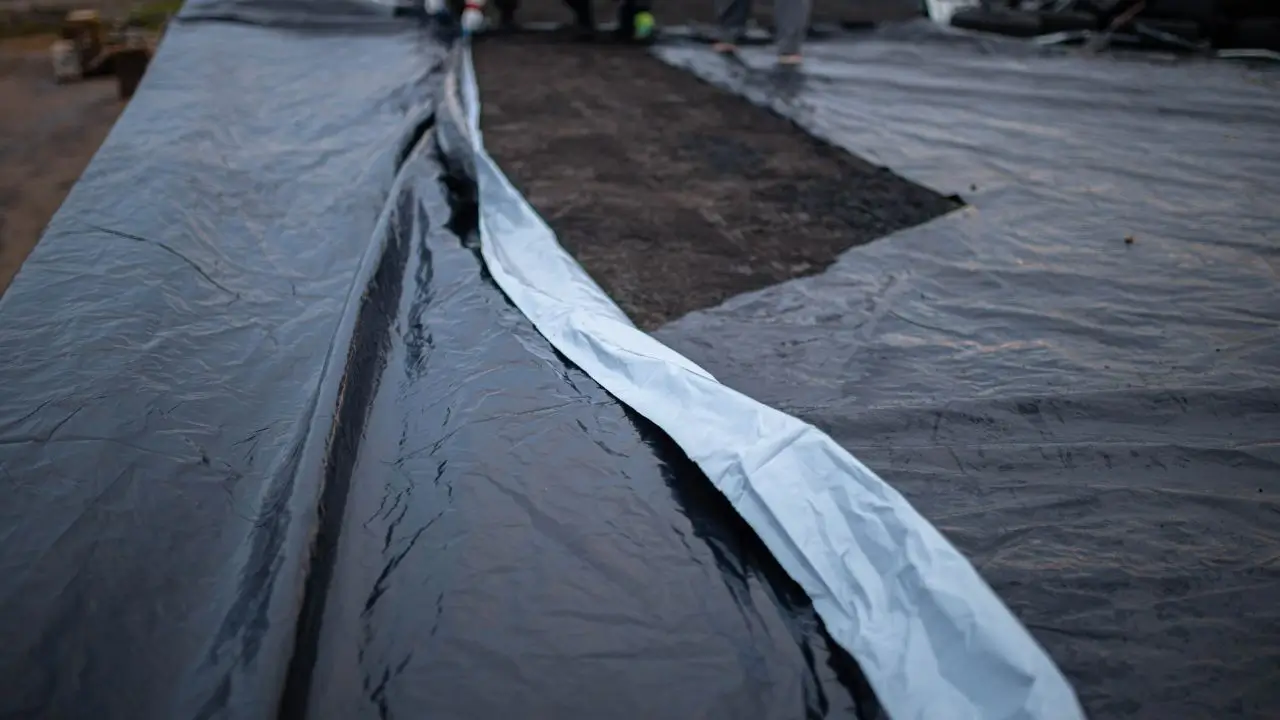
Check for specialists providing pressure testing and ultrasonic leak detection for concealed pipe leaks or inter-floor seepages. They address roofing leaks, facade leaks, and basement leaks with tailored solutions. Their warranties ensure prompt repairs and peace of mind.
- Verify experience with Singapore homes facing high humidity and weather conditions.
- Ask about tools like acoustic devices for dripping sounds in plumbing systems.
- Confirm they handle neighbour disputes from water intrusion or drainage issues.
The Leak Detection and Repair Process
The leak detection and repair process starts with inspection, followed by targeted fixes like sealing cracks and insulating pipes, all without hacking for minimal disruption. Specialists use non-invasive tools to pinpoint hidden leaks quickly. This approach saves time and reduces mess in Singapore homes.
During the initial visual inspection, experts check for signs like water stains, damp spots, or mold growth. They also listen for dripping sounds and smell for damp odors. These clues guide them to potential issues in plumbing systems.
Next comes advanced testing with thermal imaging and acoustic leak detectors. Thermal cameras reveal temperature differences from concealed pipe leaks, while acoustic devices pick up sounds of running water. A water meter test confirms if water waste occurs even when taps are off.
Once located, prompt repairs follow, such as fixing corroded pipes or installing a pressure regulator. For toilet leaks, dye tablets help identify issues in the toilet bowl. This ensures leak prevention and protects against structural damage or neighbour disputes.
Step 1: Initial Assessment and Visual Checks
The process begins with a thorough visual inspection of visible areas. Specialists look for wall discoloration, peeling paint, or warped flooring that signal water intrusion. In basements, they note damp spots or slippery surfaces from foundation leaks.
They examine plumbing fixtures for drips and test water pressure for irregularities. High pressure often points to faulty plumbing or clogged drains. This step identifies obvious issues before moving to hidden ones.
Experts also review water bills for unusual spikes, suggesting undetected water leaks. A simple water meter test at night checks for movement when no water runs. These checks set the stage for precise detection.
Step 2: Advanced Detection Techniques
Non-invasive tools like infrared thermography detect cold spots from leaking pipes behind walls. Moisture meters measure hidden dampness without demolition. Ultrasonic leak detection picks up high-frequency sounds from hidden water leaks.
For inter-floor seepages or facade leaks, acoustic devices amplify subtle noises from water flow. Pressure testing isolates sections of the plumbing system to find drops indicating leaks. These methods work well for roofing leaks or appliance malfunctions.
In Singapore homes, specialists use thermal leak detection for air-conditioned spaces where condensation mimics leaks. Combining tools ensures accurate pinpointing of issues like drainpipe failures or weather-related water intrusion.
Step 3: Targeted Repairs and Prevention
With the source confirmed, prompt repairs address the problem directly. Sealing cracks stops water leakage, while replacing corroded pipes prevents recurrence. Insulating pipes reduces condensation and mold mildew growth. Checking the Water Meter helps detect unusual usage early.
For complex cases like drainage issues, professionals install leak detection systems with moisture sensors, using tools like Ultrasonic Leak Detection and Thermal Leak Detection. A central monitoring system alerts to problems early, promoting regular maintenance. This minimizes property damage and water waste.
Post-repair, advice includes monitoring for damp odors or mold growth. Simple steps like checking for toilet leaks with dye tablets offer ongoing peace of mind and cost savings. Engaging a professional plumber ensures lasting results.
No-Hacking Leak Repair Solutions
No-hacking leak repair solutions use advanced waterproof membranes and quality materials to fix issues like inter-floor seepages discreetly and effectively. These methods avoid breaking walls or floors, preserving the look of condominium units. Residents enjoy minimal disruption during repairs.
In high-rise Singapore homes, such solutions target hidden leaks behind tiles or in plumbing systems without invasive work, sometimes employing X-ray for precise imaging. Allstar’s approach applies waterproof membranes that seal cracks and prevent water intrusion. This keeps common areas intact and avoids neighbour disputes.
Benefits include stopping mould growth and structural damage early, with long-lasting results from quality materials. Condo owners save on property maintenance costs over time. Prompt repairs ensure peace of mind for entire buildings.
Experts recommend combining these repairs with regular maintenance like sealing cracks and insulating pipes. For concealed pipe leaks, this non-destructive method outperforms traditional hacking. It maintains unit aesthetics while addressing water leakage at its source.
Long-Term Waterproofing Protection
Long-term waterproofing protection through roof and concrete waterproofing ensures lasting defense against water intrusion, backed by expert leakage repair from companies like SWC Construction and Waffen Waterproofing. Companies with over 20 years in Singapore understand local weather conditions that worsen leaks. Their experience helps prevent issues like inter-floor seepages and facade leaks.
Regular maintenance forms the core of this protection. Schedule annual checks for roofs, walls, and plumbing systems to catch early signs of wear. This approach stops mould growth and structural damage before they escalate.
Experts recommend sealing cracks in concrete and applying quality waterproofing membranes. Insulate pipes to avoid condensation, and install drainage systems around foundations. These steps provide peace of mind for Singapore homes facing heavy rains.
- Conduct visual inspections for damp spots and water stains after storms.
- Test water pressure regularly to detect hidden leaks in plumbing.
- Monitor for damp odours or peeling paint, which signal concealed pipe leaks.
With proven strategies from waterproofing companies, property owners avoid neighbour disputes over leaking pipes. Prompt repairs and leak prevention save on water bills and property damage costs over time.
Frequently Asked Questions
How does a water leakage specialist identify hidden sources of leakage using advanced tools in areas like Barrie, Orillia, Newmarket, Muskoka, or York Region?
A water leakage specialist, like those at Allstar Waterproofing with over 20 years of experience in Singapore, uses advanced tools such as thermal imaging cameras, acoustic leak detectors, and moisture meters to pinpoint hidden leaks without invasive methods. These tools detect temperature differences, sound vibrations from water flow, and elevated moisture levels in walls, roofs, or concrete, ensuring precise identification for effective repairs.
What initial steps does a water leakage specialist take to identify hidden sources of leakage?
The process begins with a free inspection offered by Allstar Waterproofing, where the specialist visually examines common leak-prone areas like roofs, pipes, and concrete joints. They check for signs like water stains, mold, or peeling paint, combined with pressure testing to simulate water flow and reveal hidden sources of leakage early.
Why is professional expertise crucial for a water leakage specialist to identify hidden sources of leakage?
Hidden sources of leakage often lurk behind walls or under floors, undetectable to the untrained eye. Allstar Waterproofing’s specialists, backed by over 20 years in Singapore, apply proven techniques like tracer gas testing and endoscopic cameras to accurately identify and address these issues, preventing extensive damage to homes and buildings.
How does a water leakage specialist differentiate between hidden pipe leaks and concrete seepage?
Allstar Waterproofing experts distinguish hidden sources by using ultrasonic detectors for pipe leaks (which produce distinct high-frequency sounds) versus moisture mapping for concrete seepage. This targeted approach ensures tailored leakage repair solutions, using quality materials for long-lasting protection and warranty-backed results.
What role does non-destructive testing play in how a water leakage specialist identifies hidden sources of leakage?
Non-destructive testing (NDT) methods, such as infrared thermography and ground-penetrating radar, are key for Allstar Waterproofing specialists in Singapore. These allow them to identify hidden sources of leakage without demolition, preserving your property while providing reliable roof and concrete waterproofing services with free inspections.
After identifying hidden sources of leakage, what follow-up does a water leakage specialist provide?
Once hidden sources are identified, Allstar Waterproofing offers comprehensive leakage repair using premium materials, full warranty support, and follow-up checks. Their 20+ years of experience ensures long-lasting protection for your home or building, with free initial inspections to guarantee satisfaction.