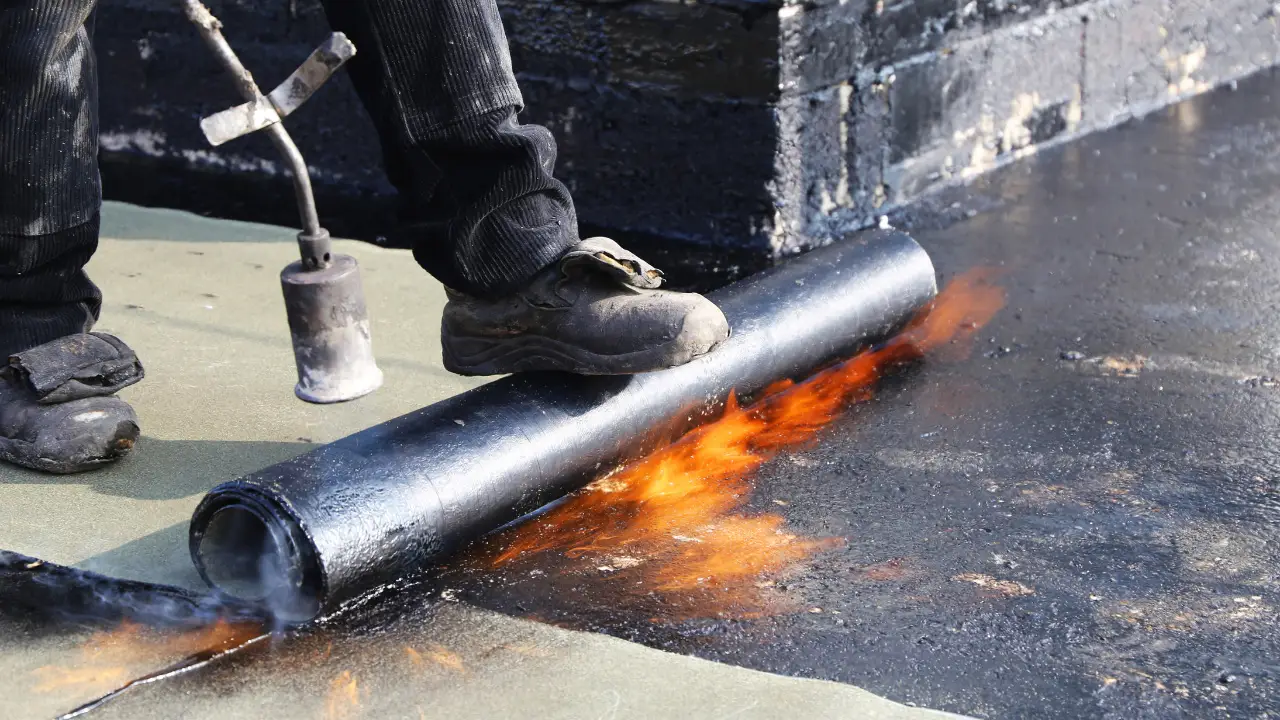
In Singapore’s humid climate, water leaks can quietly undermine your building’s foundations, corrode concrete reinforcements, and foster hazardous mold growth, which ultimately results in exorbitant repair costs. Issues such as cracked roofs and walls not only inflict lasting damage on the structure but also present serious health risks. Allstar Waterproofing specialist, Singapore’s reliable specialists with more than 20 years of expertise, offers proven waterproofing solutions, including complimentary comprehensive inspections and robust warranties, to protect your home effectively and enduringly.
Key Takeaways:
- Water intrusion erodes walls, roofs, and foundations over time, compromising structural integrity and leading to costly foundation cracks if left unchecked.
- Prolonged water leakage causes concrete spalling and reinforcement corrosion, accelerating building deterioration and risking collapse without prompt intervention.
- Timely waterproofing repairs prevent mould growth, health risks, and escalating repair costs, ensuring long-term building integrity.
Common Causes of Water Leakage
Hey, ever wondered why water seepage keeps popping up in your Singapore home? Common culprits include poor drainage around planter boxes, faulty window seals, and plumbing defects exacerbated by high humidity and intense rainfall. These issues often lead to ceiling leaks and damp patches that compromise building integrity over time.
Roof tiles damage from wear and tear allows rain to infiltrate during heavy downpours. Condensation issues arise in poorly ventilated areas, causing water to form on surfaces and seep into walls. Hydrostatic pressure in basements pushes groundwater through foundation cracks, leading to basement leaks.
- Damaged roof tiles let water enter under shingles, causing roof leakage and structural damage.
- Condensation issues from high humidity build up moisture, promoting mould growth and musty odours.
- Hydrostatic pressure forces water through concrete, resulting in efflorescence and concrete spalling.
- Faulty drainage systems around planter boxes overflow, creating water intrusion into balconies.
- Worn door seals and window seals fail, allowing rain to enter and cause peeling paint.
Professional waterproofing by leakage specialists prevents these in HDB flats and condos. Regular inspections of drainage systems and seals catch issues early. Experts recommend preventive maintenance like gutter cleaning to avoid repair costs from water damage.
How Water Intrusion Weakens Building Integrity
Water intrusion doesn’t just make a mess—it silently erodes your building’s structural integrity, starting with visible signs like damp patches, peeling paint, water stains, and those annoying dripping sounds from ceiling leaks.
Over time, this water seepage triggers defects such as efflorescence on walls, where white salt deposits appear as moisture pulls minerals from concrete. Musty odours soon follow, signaling mould growth and mildew growth in hidden spots. In Singapore buildings, high humidity and intense rainfall speed up this wear and tear.
Property managers often spot these issues late, leading to bigger problems like concrete spalling and reinforcement corrosion. Tools like moisture mapping and tracer tests help pinpoint sources early. Hiring waterproofing contractors for leak detection prevents minor leaks from becoming costly water damage.
Neglect invites health risks from poor indoor air quality and even electrical hazards. Regular checks catch water leaks before they drop property value. Experts recommend preventive maintenance to keep structures sound.
Impact on Walls, Roofs, and Foundations
From roof seepage cracking roof tiles to hairline cracks in foundations and walls, water damage hits hard on key structural elements, often worsened by balcony waterproofing failures and neglected façade inspection.
Walls suffer rust stains and peeling paint from constant exposure, especially around window seals and planter boxes with poor drainage. Efflorescence and musty odours spread, hinting at deeper plumbing defects. In Singapore’s climate, condensation issues add to the strain on façade inspection needs.
Roofs face roof leakage that warps materials and causes ceiling leaks below, with dripping sounds alerting owners. roof waterproofing failures from clogged gutters demand gutter cleaning and waterproof coatings. Periodic façade inspection (PFI) by BCA guidelines helps spot these early.
Foundations endure basement leaks and hydrostatic pressure, leading to foundation cracks and structural damage. Comprehensive inspection by leakage specialists uncovers issues like reinforcement corrosion. Professional waterproofing and water seepage repair restore stability and cut repair costs.
The Structural Toll Over Time
Over time, the structural toll from unchecked water leaks in Singapore buildings becomes devastating, with concrete spalling and reinforcement corrosion slashing property value and complicating building maintenance during the Defect Liability Period (DLP).
Water seepage starts small, often from roof leakage or poor window seals, but grows into major issues like foundation cracks and damp patches. MCSTs face rising repair costs as these problems spread, demanding preventive maintenance from experts like Allstar Waterproofing.
In high humidity and intense rainfall common in Singapore, unchecked leaks lead to structural damage that affects entire buildings. Property managers notice peeling paint and water stains first, signaling deeper threats to structural integrity.
Regular inspections catch hairline cracks early, preventing escalation to costly water leakage repair. Allstar Waterproofing helps maintain buildings by addressing roof seepage and balcony waterproofing before toll mounts.
Concrete Damage and Reinforcement Corrosion
Building defect from water seepage leads straight to reinforcement corrosion, manifesting as concrete spalling, efflorescence, and rust stains that weaken your home’s core.
Hydrostatic pressure from trapped moisture pushes against walls, causing cracks that let more water in. This cycle speeds up corrosion, especially in basement leaks or planter boxes with poor drainage.
Experts recommend professional waterproofing solutions like ProSeal and waterproof coatings to seal these vulnerabilities. They stop moisture at the source, protecting reinforcement bars from rust.
Left alone, spalling concrete invites mould growth and musty odours, further harming indoor air quality. Early leak detection and comprehensive inspection prevent these long-term effects in Singapore buildings.
Health Risks from Water Damage
Water damage isn’t just about bricks and mortar. It’s a sneaky health hazard, breeding mould growth that tanks indoor air quality and sparks electrical hazards alongside musty odours and pest infestations.
Singapore’s high humidity and intense rainfall make water leakage a common issue in buildings. Damp conditions from roof leakage or ceiling leaks create perfect spots for mildew growth. This leads to poor indoor air quality that affects daily living.
Experts recommend using Dehumidifiers and exhaust fans to control moisture. Mould remediation becomes essential when water stains appear. Property managers should prioritize preventive maintenance to avoid these health risks.
In humid climates like Singapore, water seepage from planter boxes or window seals worsens the problem. Regular checks for damp patches and peeling paint help catch issues early. Professional waterproofing specialists can prevent long-term health concerns.
Mould Growth and Other Hazards
Mould growth thrives in damp patches from poor drainage, posing serious health risks that go beyond mildew growth to trigger allergies and respiratory issues.
Water stains on walls signal hidden water damage, often from basement leaks or roof seepage. These areas foster mould growth, releasing spores that irritate eyes and skin. Musty odours are a clear warning sign.
Use dehumidifiers in high-humidity rooms and install exhaust fans in bathrooms and kitchens. Promote preventive maintenance like gutter cleaning to avoid pest infestations. Call waterproofing specialists for leak detection and repair.
Mould remediation requires professional help to remove affected materials safely. Address plumbing defects promptly to stop water leaks. In Singapore buildings, combining regular inspections with waterproof coatings protects occupant health.
Escalating Costs of Neglected Repairs
Ignoring water leaks? Get ready for skyrocketing repair costs that eat into your property value, far better to catch them early with regular inspections and pro leak detection than face a money pit.
A small ceiling leak from roof leakage might cost little to fix at first. Over time, it leads to structural damage like concrete spalling and reinforcement corrosion. Repair costs then balloon as you tackle water seepage repair alongside mould remediation.
In Singapore buildings, high humidity and intense rainfall worsen water damage. Damp patches turn into foundation cracks, demanding professional waterproofing. Property managers and MCSTs often face these escalating expenses from poor drainage or planter boxes.
Watch for scams too, like fake Government officials calling about leaks and asking to transfer money or disclose bank details or bank log-in and log-in details via phone call. Always verify with BCA or MCSTs, and consider a free inspection from Allstar Waterproofing. Use the 24/7 ScamShield ScamShield Helpline at 1799 Helpline 1799 or visit scamshield.gov.sg for protection.
The Importance of Timely Repairs
Timely repairs are your best defense. Quick water leakage repair via comprehensive inspection with thermal imaging and borescope inspection stops small issues from becoming structural nightmares.
In Singapore buildings, water seepage from roof leakage or window seals often starts with damp patches or peeling paint. Ignoring these leads to foundation cracks and spalling concrete repair needs over time. Acting fast with a water leakage contractor prevents escalation.
Preventive maintenance through regular inspections spots hairline cracks or efflorescence early. A waterproofing specialist like Allstar, with 20+ years experience, uses advanced leak detection to address issues before they cause mould growth or electrical hazards. This approach saves on repair costs long-term, even during Defect Liability Period (DLP).
Property managers in high humidity areas know intense rainfall worsens poor Drainage Systems around planter boxes. Professional waterproofing, including roof waterproofing and balcony waterproofing, maintains structural integrity. Schedule inspections to avoid health risks from musty odours and mildew growth. Use Dehumidifiers for added protection.
Effective Waterproofing Solutions
For rock-solid fixes, turn to effective waterproofing solutions like roof leakage repair with PU Injection Waterproofing, waterproof membranes, and waterproof coatings tailored for basement waterproofing and water seepage repair. These methods seal cracks and prevent water ingress in Singapore buildings. They address issues like roof leakage and balcony waterproofing effectively, including Roof Leaks and Plumbing Issues.
PU Injection Waterproofing injects polyurethane into hairline cracks and joints. This expands to form a watertight barrier against hydrostatic pressure. It’s ideal for roof seepage and foundation cracks.
Waterproof membranes, applied as liquid or sheet systems, create durable layers over surfaces. They protect against intense rainfall and high humidity common in Singapore. Use them for balconies and planter boxes to stop water seepage.
Waterproof coatings provide flexible protection on walls and ceilings. They handle movement from wear and tear without cracking. Combine with regular inspections for long-term building integrity.
Roof Leakage Repair
Roof leakage repair starts with leak detection to find sources like poor drainage or damaged tiles. Professionals use PU injection or membranes to seal gaps. This prevents ceiling leaks and structural damage over time.
Clear gutters and fix flashing around chimneys during repairs. Install exhaust fans to reduce condensation issues. These steps combat roof seepage in tropical climates.
Entities like ProSeal ensure material quality, while ISO and BizSAFE certifications confirm safety standards. Allstar Waterproofing offers reliable products with strong warranties. Expect lasting protection against water stains and dripping sounds.
Balcony Waterproofing
Balcony waterproofing targets water pooling from rain or planter boxes due to Window Seals or Door Seals. Apply waterproof coatings or membranes to floors and walls. This stops damp patches and peeling paint from forming.
Seal window seals and check for plumbing defects. Improve slopes for better drainage to avoid water leakage. High humidity makes these measures essential in Singapore.
Professional services from leakage specialists include comprehensive inspections. Allstar Waterproofing uses top-grade materials backed by warranties. Prevent efflorescence and rust stains with these approaches.
Advanced Techniques for Basements and Walls
For basement leaks, use PU injection to fill voids and stop hydrostatic pressure. Waterproof membranes on exterior walls block groundwater. These fix concrete spalling and reinforcement corrosion.
Address wall seepage with coatings that resist mould growth. Install dehumidifiers to control musty odours and mildew growth. Combine with preventive maintenance for best results.
Certified firms adhering to MCST guidelines provide thorough solutions. Allstar Waterproofing emphasizes quality and extended warranties. Protect indoor air quality and avoid health risks from water damage.
Preventing Future Leakage
Prevent future headaches with proactive steps like preventive maintenance, regular inspections, gutter cleaning, and installing dehumidifiers or exhaust fans to combat Singapore’s high humidity.
Start by scheduling comprehensive inspections every six months. Property managers often overlook early signs like damp patches or peeling paint, which can lead to major water seepage issues. These checks help catch problems before they cause structural damage.
Address poor drainage around your building. Clear clogged gutters and ensure downspouts direct water away from foundations to prevent foundation cracks and basement leaks. Simple fixes like this reduce the risk of water accumulation during intense rainfall.
- Clean gutters twice a year to avoid roof leakage.
- Inspect window seals and planter boxes for cracks.
- Install exhaust fans in bathrooms to fight condensation issues.
- Apply waterproof coatings on balconies and roofs.
Follow the Building Maintenance and Strata Management Act (BMSMA) guidelines. Engage PFI leakage specialists for professional waterproofing and free inspections if needed. These steps protect your property’s value and indoor air quality over time, especially in HDB flats affected by capillary action.
Frequently Asked Questions
How does water leakage in Singapore affect building integrity over time?
Water leakage in Singapore, exacerbated by the humid tropical climate and frequent rains, can severely compromise building integrity over time by seeping into concrete structures, causing corrosion of reinforcement bars, cracking, and spalling. This gradual degradation weakens the foundation and walls, leading to costly structural failures if not addressed early. Allstar Waterproofing, with over 20 years of experience, offers free inspections and expert leakage repair to prevent such damage.
What are the long-term effects of water leakage on Singapore buildings?
Over time, water leakage in Singapore erodes building integrity through moisture accumulation, promoting mold growth, rusting steel reinforcements, and weakening concrete. This can result in structural instability, reduced property value, and safety hazards. Trust Allstar Waterproofing for quality roof and concrete waterproofing using premium materials, backed by warranty support for long-lasting protection.
Why is water leakage particularly damaging to building integrity in Singapore?
In Singapore’s high-humidity environment, water leakage accelerates building integrity loss by infiltrating walls, roofs, and slabs, leading to expansive cracks, efflorescence, and rebar corrosion over time. Early intervention is crucial. Allstar Waterproofing provides reliable solutions with over 20 years of expertise, including free inspections and durable repairs for homes and buildings.
How can water leakage in Singapore lead to structural failure over time?
Water leakage in Singapore penetrates building materials over time, causing hydrolysis in concrete, steel corrosion, and progressive weakening of load-bearing elements, ultimately risking collapse. Proactive waterproofing is essential. Contact Allstar Waterproofing for professional leakage repair, quality materials, and warranty-backed protection to safeguard your property’s integrity.
What role does humidity play in how water leakage affects building integrity in Singapore?
Singapore’s persistent humidity intensifies how water leakage affects building integrity over time, trapping moisture that fosters chemical reactions in concrete and accelerates deterioration like cracking and delamination. Allstar Waterproofing’s 20+ years of experience ensures effective roof waterproofing and concrete solutions, with free inspections to detect and resolve issues early.
How to prevent water leakage from compromising building integrity long-term in Singapore?
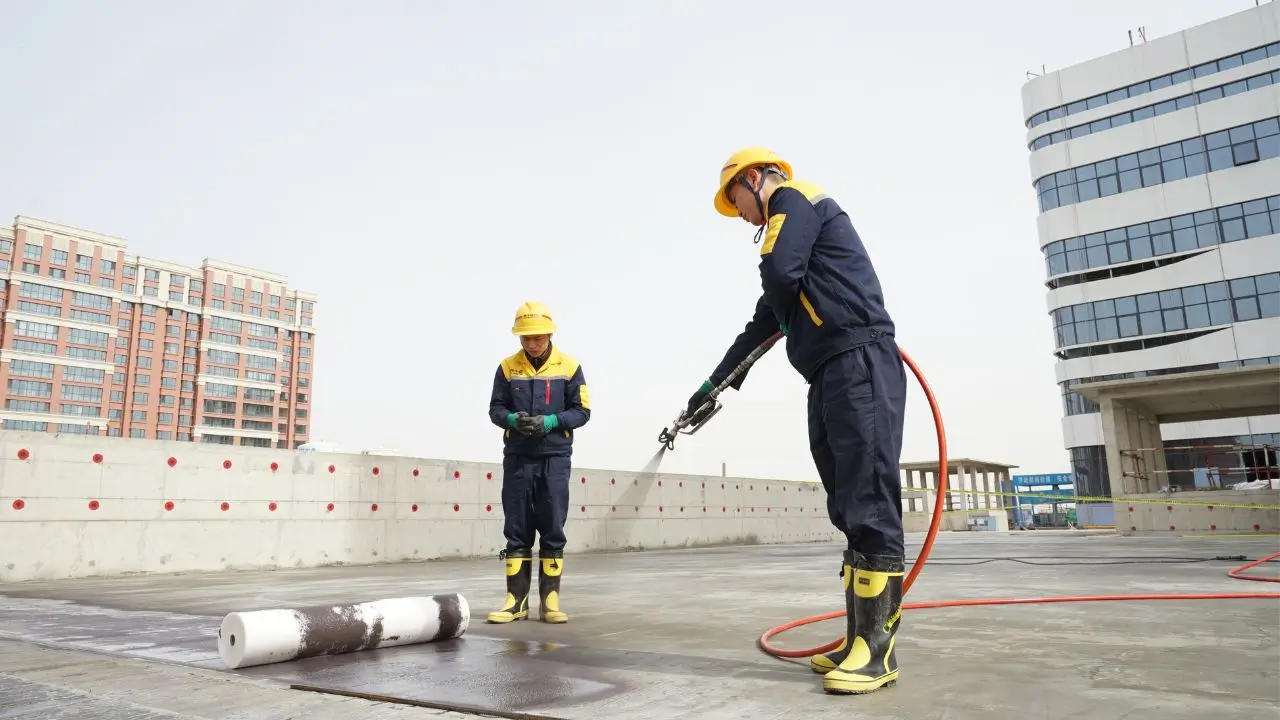
To prevent water leakage in Singapore from undermining building integrity over time, regular maintenance and professional waterproofing are key. Allstar Waterproofing specializes in comprehensive services like leakage repair, roof and concrete waterproofing, using top-quality materials with warranty support, offering long-lasting protection for your home or building—start with our free inspection today.