Water leakage in Singapore homes and buildings often starts from failed waterproofing, leaking pipes, roof defects, wall cracks, or worn sealant around wet areas and exterior joints. Because Singapore has frequent rain and high humidity, small leaks can spread quickly through concrete, plaster, ceilings, and walls.
The safest approach is to identify the true source before repair begins. A stain on the ceiling or wall is usually only the visible symptom. The actual leak may come from a bathroom above, a balcony, a roof edge, a pipe hidden inside the wall, or an external façade crack.
Allstar Waterproofing & Services provides water leakage repair, roof waterproofing, wet area waterproofing, concrete repair, roof repair, and rope access services for residential, commercial, and industrial properties in Singapore.
What Causes Water Leakage in Singapore Properties?
Water leakage happens when water enters places it should not reach. In Singapore, the most common causes are linked to ageing materials, heavy rainfall, and wet-area use.
Failed Bathroom or Toilet Waterproofing
Bathrooms, toilets, kitchens, and balconies rely on waterproofing beneath tiles and screed. When this layer fails, water can seep into the floor slab and appear as stains or dripping on the ceiling below.
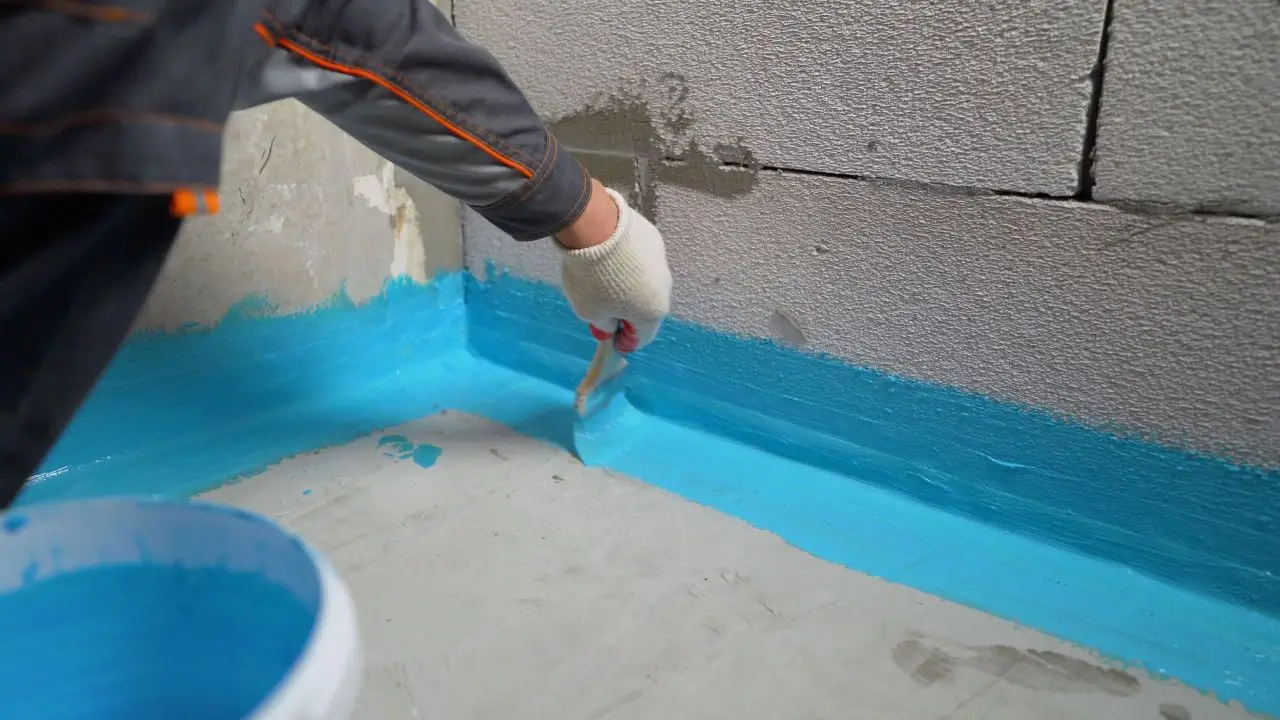
Allstar Waterproofing handles wet area waterproofing for bathrooms, toilets, kitchens, balconies, and swimming pools, including hacking and non-hacking options depending on site condition.
Roof and Balcony Leaks
Top-floor units, landed homes, and commercial buildings often face roof-related leakage. Damaged roof tiles, cracked concrete roofs, worn coatings, and blocked drainage can allow rainwater to enter.
Balconies can also leak when grout, floor traps, or waterproofing layers fail.
Wall Cracks and Exterior Seepage
External wall cracks, worn sealant around windows, and weak façade joints can let rainwater enter during storms. The water may travel through the wall before appearing indoors as damp patches, peeling paint, or mould.
Concealed Pipe Leaks
Hidden pipes inside walls or floors may leak slowly due to corrosion, loose joints, or cracks. These leaks may continue even when it is not raining, making them harder to identify without inspection.
Warning Signs of Water Leakage
Call for an inspection if you notice:
- Yellow, brown, or grey ceiling stains
- Peeling or bubbling paint
- Damp patches after rain or shower use
- Musty smells
- Mould growth
- Sagging ceiling boards
- Crumbling plaster
- Water marks near windows or corners
- Repeated stains after repainting
Water near light fittings or electrical points should be treated seriously. Switch off the affected area if safe and arrange professional help quickly.
Why Repainting or Patching Is Not Enough
Repainting covers the stain but does not stop the leak. If the source remains active, the stain will usually return.
A proper repair should follow this order:
- Inspect the affected area
- Trace the likely source
- Repair waterproofing, pipes, roof, wall, or concrete defects
- Allow the area to dry
- Reinstate plaster, ceiling boards, or paint
Skipping diagnosis often leads to repeated repair costs.
How Professionals Repair Water Leakage
The repair method depends on the source.
Common repair solutions include:
- Reapplying waterproofing membranes
- Sealing wall or roof cracks
- Replacing failed sealant around joints or windows
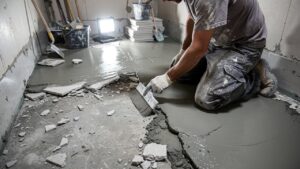
- Repairing concrete spalling or cracks
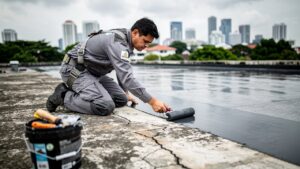
- Treating roof surfaces with waterproof coatings
- Repairing wet area leakage
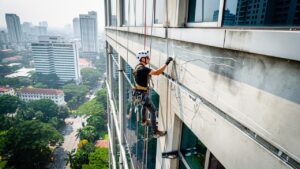
- Using rope access for difficult exterior areas
Allstar Waterproofing provides free inspections, clear quotations, and repair works backed by warranty options, helping property owners understand the repair scope before work begins.
How to Prevent Water Leakage
Prevention is especially important in Singapore’s climate.
Helpful steps include:
- Check bathroom grout and silicone sealant regularly
- Clear roof gutters and balcony drains
- Fix small pipe leaks early
- Inspect roof coatings before rainy periods
- Repair wall cracks when they first appear
- Avoid repainting over damp patches without diagnosis
- Arrange waterproofing checks for older properties
Small maintenance work can prevent larger ceiling, wall, or concrete repairs later.
FAQ
What is the most common cause of water leakage in Singapore?
Common causes include failed bathroom waterproofing, roof defects, wall cracks, worn window sealant, balcony seepage, and concealed pipe leaks.
Can water leakage be repaired without hacking?
Some leaks can be repaired with non-hacking methods, especially selected wet area or surface seepage cases. Suitability depends on the source, severity, and condition of tiles, grout, or concrete.
How long does water leakage repair take?
Minor sealing or crack repairs may be completed quickly. Larger waterproofing, roof, concrete, or wet area repairs may take several days or longer, especially when drying and reinstatement are needed.
Does Allstar Waterproofing repair water leakage in Singapore?
Yes. Allstar Waterproofing & Services provides water leakage repair, roof waterproofing, wet area waterproofing, concrete repair, roof repair, and rope access services in Singapore.