Waterproofing vs. Patching: Insights from Singapore Contractors
Introduction: Water Leaks in Singapore and Waterproofing Solutions
A reliable waterproofing company can save homeowners from this frustrating cycle by providing lasting solutions.
Water leaks in Singapore often start as minor annoyances, such as discoloured patches on ceilings or damp spots near windows. These small issues can escalate into significant problems, leading to water seepage damage, unpleasant odours, and costly repairs.
Homeowners frequently encounter a frustrating cycle: a contractor applies a fix, and the problem seems resolved for a time, only to return after heavy rainfall, often worse than before. This cycle is commonly rooted in misunderstandings, where temporary patches are mistaken for true waterproofing solutions.
The Ubiquitous Problem: Battling Leaks in a Tropical Climate
Singapore’s tropical weather presents challenges for building materials. The combination of high humidity, intense UV radiation, and frequent rainfall can compromise construction integrity. Concrete expands and contracts, sealants degrade, and moisture penetrates microscopic cracks.
As a result, simple repairs often fail, necessitating strong, long-term waterproofing solutions.
The Promise of a Fix vs. The Reality of Recurrence
Engaging a reputable waterproofing company ensures that the fix is sustainable, preventing future leaks.
When a leak occurs, homeowners typically seek fast, affordable solutions. Contractors often provide quick fixes, which may seem appealing but usually only address symptoms rather than underlying causes.
Unfortunately, these superficial treatments lead to recurring problems, trapping homeowners in a cycle of costly repairs.
It is essential to consult a waterproofing company that prides itself on long-term solutions rather than quick fixes.
Choosing the right waterproofing company can make a significant difference in the longevity of your home.
In Singapore, hiring a certified waterproofing company will enhance your home’s barrier against water intrusion.
Only a skilled waterproofing company can accurately diagnose and tackle severe water damage issues.
The expertise offered by a waterproofing company is crucial for maintaining the integrity of your home.
Understanding the services a waterproofing company provides can help you protect your property effectively.
Contractor’s Recommendations
This article will pull back the curtain on the common industry practices that favour short-term patches over long-term waterproofing solutions offered by a reliable waterproofing contractor.
We will explore why a contractor might recommend a quick fix, how to distinguish a genuine solution from a temporary one, and the critical questions you must ask to protect your property.
Our goal is to empower you, the homeowner, with the knowledge to break the cycle of recurring roof leaks and make an informed investment in the health and longevity of your home.
Choosing the right waterproofing company is essential for effective long-term solutions.
Understanding the importance of hiring a reliable waterproofing company can prevent future headaches and expenses.
Understanding the importance of hiring a reliable waterproofing contractor can prevent future headaches and expenses.
The Impact of Water Leaks on Your Home in Singapore
Understanding the threat of water penetration is crucial. It can damage property structures, reduce financial value, and harm resident health.
Addressing water damage at its source is vital for comfort and safety.
Common Hotspots for Water Seepage and Leaks
In homes across Singapore, from HDB flats and condominiums to landed properties, certain locations are particularly susceptible to water infiltration. Recognising these vulnerable areas is crucial for early detection of potential issues.
Homeowners can find these spots early. They can then take steps to protect their homes from water damage, helping keep their homes safe and strong.
Finding a trustworthy waterproofing company can alleviate your concerns about future leaks and repairs.
Regular consultations with a waterproofing company can help mitigate potential leaks and safeguard your property.
Consulting with a waterproofing company is a smart step towards safeguarding your home from leaks.
Consulting a reputable waterproofing company is essential for long-term solutions that truly remedy water intrusion issues.
Becoming familiar with your waterproofing company’s methods can help you make informed decisions for your property.
- Roofs and Terraces: Directly exposed to the elements, flat roofs and terraces are prime locations for water pooling, which can overwhelm a failing Waterproofing Membrane and lead to significant roof leakage. Water stains after heavy rainfall on the ceiling, wall, or mold and mildew are early signs of roof leaks or water penetration.
- Bathrooms and Wet Areas: Constant exposure to water, failed grout, hollow tiles, and deteriorated waterproofing membranes behind tiles are common culprits for bathroom water seepage into adjacent rooms or the unit below. Water stains, up rising damp or water seepage on the surrounding wall, especially near the shower area, are early signs.
- External Walls: Porous concrete or fine façade cracks can allow wind-driven rain to seep through, causing dampness, peeling paint, and bubbling walls on interior walls. You can use a moisture meter to confirm water penetration.
- Window and Door Frames: Degraded window seals or sealant around frames can create pathways for water to enter, especially during the heavy storms characteristic of the monsoon seasons.
- Planter Boxes & Balconies: These areas often have complex drainage, expansion joints, and other possible joints that can fail over time, allowing water to seep into the building structure. You self-run a water testing by flooding planter boxes and balconies to confirm water penetration.
Understanding the difference between patching and the services of a waterproofing company is essential for homeowners.
Only a comprehensive waterproofing company can offer solutions that truly address the underlying issues.
The Visible and Invisible Dangers of Unaddressed Water Damage
A quality waterproofing company not only fixes visible leaks but also prevents hidden problems from escalating.
Choosing a well-regarded waterproofing company ensures you receive service that is reliable and lasting.
An established waterproofing company understands the local climate and its effects on building materials.
Utilising a professional waterproofing company can prevent excessive costs associated with ongoing repairs.
Partnering with a waterproofing company helps maintain both the aesthetic and structural qualities of your home.
The consequences of water leaks extend far beyond visible water stains. The obvious damage includes bubbling plaster and discoloured ceilings.
However, the invisible dangers are far more severe. Persistent moisture weakens concrete, corrodes steel reinforcements within the structure, and can lead to short circuits if it reaches electrical wiring.
Understanding Waterproofing: A Long-Term Investment
When a contractor suggests a cost-effective and rapid fix for your leak issue, they are likely recommending a patching job. This method might appear effective at first glance, but it falls short as a dependable long-term solution, particularly given Singapore’s harsh weather conditions. It merely addresses the visible symptom of the problem rather than tackling the underlying systemic issue causing the leak.
What Exactly is “Patching”? Defining the Temporary Solution
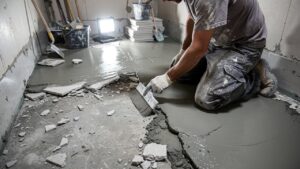
Patching involves applying a product—typically a type of sealant, hydraulic cement, or basic waterproofing paint—directly to the area where water is visibly emerging. It is a spot treatment. For a cracked wall, it might mean filling the crack with caulk. For a damp spot on the ceiling, it could involve applying a coat of sealant. The core principle of patching is to block the exit point of the water, not to stop it at its source.
The Contractor’s Calculus: Why Patching is an Appealing Option
A contractor may not volunteer the limitations of patching for several strategic reasons. First, a low upfront cost is an easy sell. Homeowners are often price-sensitive and more likely to approve a S$300 patch than a S$3,000 comprehensive Roof waterproofing job. Second, patching is fast. It requires less labour, minimal disruption, and can be completed in a fraction of the time, allowing the contractor to move on to the next job quickly. This high-volume, low-margin model can be more profitable than fewer, more complex projects.
The Illusion of a Bargain: How “Cheap” Repairs Can Mislead Homeowners
The initial low price of a patch creates the illusion of a bargain. Homeowners feel they have solved the problem efficiently and saved money. However, this is a dangerous misconception. Because patching does not address the root cause, the leak is guaranteed to reappear, either at the same spot once the patch fails or at a new, nearby weak point. This initiates the “patching cycle,” where the homeowner ends up paying for multiple repairs over time, often exceeding the cost of a proper waterproofing solution from the start.
The Inevitable Pitfalls of Patching in Singapore’s Climate
Patching is not merely a less effective solution; within the context of Singapore, it is practically guaranteed to be unsuccessful. The tropical climate causes special environmental problems. These problems weaken surface-level fixes. The persistent heat, humidity, and frequent rainstorms hasten the deterioration of patching materials, resulting in a short-lived repair. Consequently, these temporary fixes are doomed to fail, making their inability to provide lasting relief a certainty.
Short-Lived Solutions: Why Patches Fail Rapidly in Tropical Weather
Materials used for patching, like many generic sealants and fillers, are highly susceptible to Singapore’s climate. The constant expansion and contraction of building structures due to heat fluctuations cause these inflexible patches to crack and delaminate. Intense UV radiation breaks down the chemical composition of many sealants, making them brittle and ineffective. The pervasive high humidity ensures that moisture is always present, ready to exploit any new weakness the moment it appears.
The “Hidden” Costs of Repeated Patching
The true cost of patching isn’t the price of the initial repair; it’s the cumulative expense over time. This includes the cost of each new patch and the repeated damage to your interiors, which may require you to repaint and plaster. Furniture and belongings can also get damaged, while stress and disruption cause additional, hard-to-measure costs. A S$300 patch that needs to be redone every year becomes a S$1,500 problem over five years, without ever actually solving the underlying issue.
Masking the Root Cause: Why Patching Ignores the Systemic Problem
The most significant failure of patching is that it masks the root cause. Water travels. A leak appearing on a bedroom ceiling might originate from a failed waterproofing layer on the roof ten feet away. Patching the ceiling stain does nothing to fix the rooftop breach. By treating only the symptom, you let water keep entering the structure. This causes slow, hidden damage to concrete and rebar until, eventually, a much larger, more serious failure happens.
True Waterproofing: A Long-Term Investment for Singaporean Homes
In stark contrast to the temporary solution provided by patching, true waterproofing represents a thorough and systematic approach to dealing with water intrusion.
True waterproofing does more than block a visible leak; it creates a seamless, long-lasting barrier that stops water from entering the building’s structure from the start.
What Constitutes Effective Waterproofing? Beyond a Dab of Sealant
Effective waterproofing is much more involved than a mere surface application. This process starts with meticulous surface preparation to ensure the materials adhere correctly.
It involves applying a comprehensive Waterproofing System, which often consists of multiple layers, with careful attention given to joints, corners, and points where pipes or other structures penetrate.
Key Principles of Professional Waterproofing in Singapore
A professional Waterproofing System adheres to several core principles:
- Continuity: The waterproof barrier must be continuous and unbroken across the entire treated area, including upstands and around pipes.
- Adhesion: The system must be fully bonded to the substrate to prevent water from tracking underneath it.
- Flexibility: The material must be able to accommodate the natural thermal movement of the building without cracking or splitting.
- Durability: The system must be resistant to UV radiation, chemical exposure, and physical abrasion appropriate for its location.
Common and Effective Waterproofing Systems in Singapore
Several proven systems are employed by professional waterproofing experts and contractors in Singapore, each specifically suited for different applications. Understanding these systems can help homeowners and building managers make informed decisions that avoid the pitfalls of ineffective patch jobs.
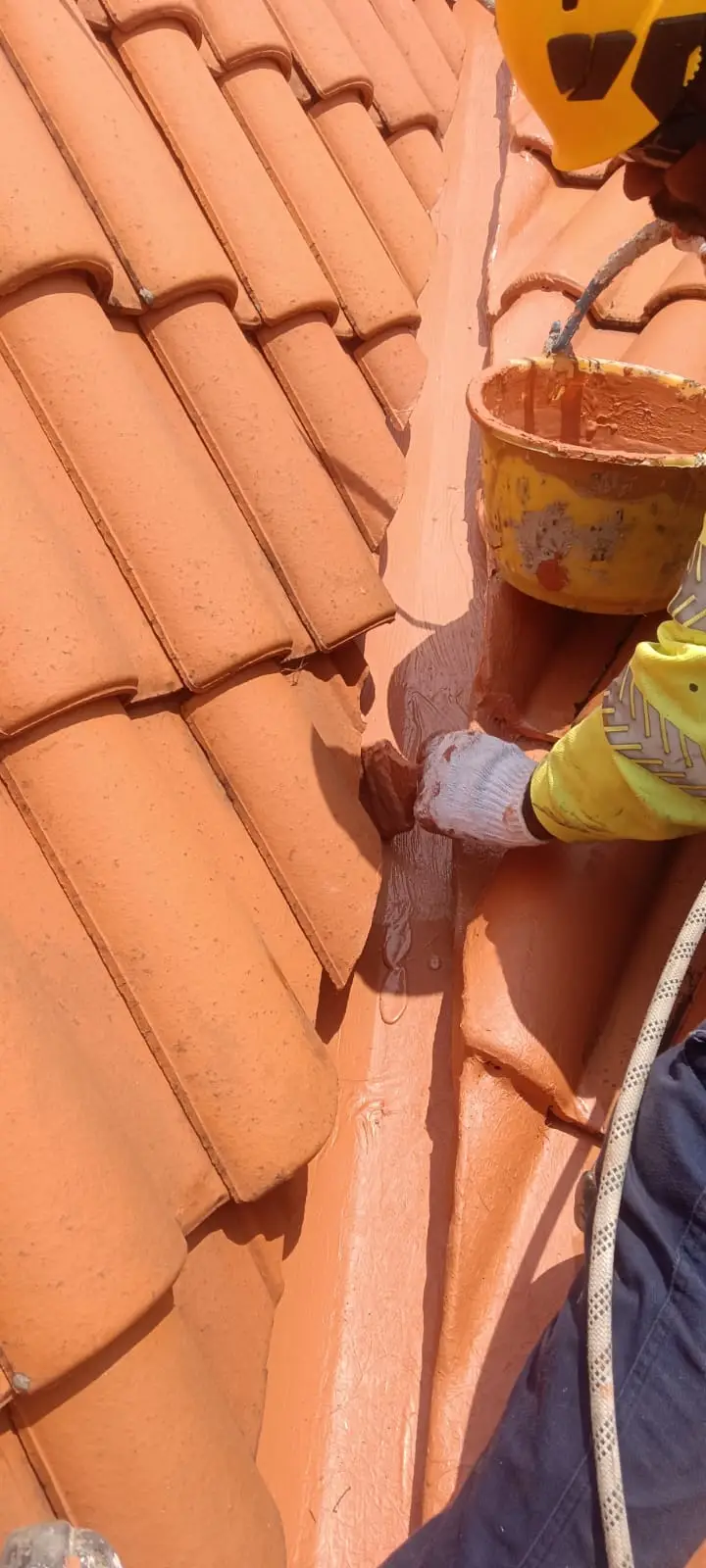
- Liquid-Applied Membranes: Polyurethane or acrylic-based coatings that are applied as a liquid and cure to form a seamless, flexible Waterproofing Membrane. Liquid-applied membranes are a popular choice due to their versatility and efficiency. One of the most advanced methods to ensure maximum protection is the incorporation of a 5-layer waterproofing system. This system provides a comprehensive multilayer defense that is particularly effective in environments exposed to harsh weather conditions or high humidity. They are ideally used on roofs, terraces, and balconies where a continuous waterproof layer is crucial.
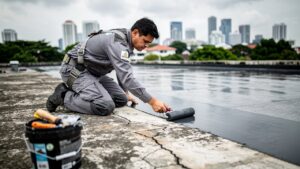
- Sheet Membranes: Commonly found and called “torch-on waterproofing” in Singapore. Pre-formed sheets of modified bitumen, like torch-on waterproofing membranes, are laid and heat-welded to the surface. Unlike their liquid counterparts, sheet membranes come in pre-formed sheets of waterproof material. These are commonly used for large, flat surfaces such as basement walls and foundation slabs. Known for its strength and durability, the torch-on membrane offers an effective barrier against water infiltration, making it a popular choice for both residential and commercial applications. Often used on flat roofs, where effective drainage is a crucial concern, these membranes provide a seamless, fully adhered, and watertight surface that requires minimal maintenance, making them a popular choice for Roof waterproofing.
- Cementitious Waterproofing: A blend of cement, chemicals, and polymers that penetrates the concrete to form an insoluble crystalline barrier. It’s also widely used in the construction of swimming pools, basements, and retaining walls. The method’s adaptability to new builds, as well as repair projects, further enhances its utility across various sectors.
- Injection Grouting (PU Injection): Commonly called “pu-injection waterproofing” in Singapore. Injection grouting, specifically polyurethane (PU) injection, is an advanced technique widely employed in the construction and civil engineering sectors to address water ingress and structural deficiencies. This method involves the injection of liquid polyurethane resins into cracks, joints, and voids within concrete structures, where they react with water to expand and form a watertight seal. PU injection is particularly favored for its versatility, rapid application, and effectiveness in creating long-lasting repairs.
The “Truths” Most Contractors Won’t Volunteer: Empowering Homeowners
Delving into the world of home repairs requires a significant level of attentiveness and meticulous care. To ensure that the solutions provided are not just fleeting or temporary remedies but are robust and enduring, it is crucial to engage in the process with thorough preparation. This means asking relevant, well-planned questions. It also means recognizing any warning signs during the repair process.
Discerning a True Waterproofing Solution from a Patch: Red Flags to Watch Out For
Be wary if a contractor’s proposal exhibits these red flags:
- Focus on a Single Spot: If the proposed work is limited only to the exact point of the visible leak, it’s a patch.
- Vague Material Specifications: A lack of detail on the specific products to be used. “Waterproof sealant” is not a sufficient description; ask for the brand and technical data sheet.
- No Surface Preparation: A proper job always includes cleaning, repairing cracks, and priming the substrate. Skipping this step is a definitive sign of a patch job.
- An Unusually Low Price and Short Timeline: A comprehensive solution takes time and costs more. If it sounds too good to be true, it likely is.
- A Lack of Warranty or a Very Short-Term One: Reputable contractors stand behind their work with a meaningful warranty (often 5-10 years) on both materials and workmanship.
The Critical Questions You MUST Ask Your Contractor
Before hiring any WaterProofing Contractor, ask these direct questions:
- What do you believe is the root cause of the leak, and how will your proposed solution address it systemically?
- What specific Waterproofing System and materials will you be using? Please provide the product data sheets.
- What is your detailed process for surface preparation before applying the system?
- Will the solution be applied to the entire vulnerable area (e.g., the whole roof deck or bathroom floor) or just one section?
- What is the expected lifespan of this solution in Singapore’s climate?
- What kind of warranty do you provide, and what exactly does it cover (materials, labour, consequential damage)?
Understanding Material Longevity and Suitability
Not all materials are created equal. A crucial aspect contractors may not discuss is the suitability of different roofing materials and membranes for the tropics. Look for products with high UV stability to prevent degradation from the sun. For internal applications, inquire about materials with low Volatile Organic Compounds (VOCs) for better indoor air quality. The choice of a system should be based on its ability to withstand constant moisture and thermal stress, not just its initial cost.
The Importance of Professional Accreditation and Standards in Singapore
One of the best ways to gauge a contractor’s expertise is to see if they adhere to recognized industry standards. In Singapore, it is crucial to find contractors who comply with the guidelines established by the Building and Construction Authority (BCA). Competent waterproofing contractors usually join trade associations. They can show a portfolio of their completed projects. They also have certifications for their installers. This level of transparency and professionalism ensures they are responsible and dedicated to delivering high-quality work.
The Unrivaled Benefits of Proper Waterproofing
Opting for a thorough and well-planned waterproofing solution is among the most crucial decisions you can make as a homeowner. This investment stops a bothersome leak, protects your home’s structure, and keeps everyone living there safe.
It secures the money you spent on your property. By preventing potential water damage, proper waterproofing keeps your property safe from structural issues, mold growth, and subsequent health risks, ultimately offering peace of mind and long-term savings.
Protecting Your Investment: Preserving Property Value and Structural Integrity
Proper waterproofing is essential for maintaining the structural integrity of your home. It serves a critical role by protecting against water intrusion that can lead to corrosion of steel reinforcements and the degradation of concrete, which is essentially the backbone of your building. Without proper waterproofing, these structural elements are vulnerable to damage, compromising the safety and durability of your home. Moreover, a home that is dry and well-maintained not only retains its strength but also its value. In the real estate market, such a property can command a higher selling price and appeal to a wider range of potential buyers. Therefore, investing in professional waterproofing solutions is not merely an expense; it is a strategic investment aimed at enhancing and preserving the value of your property.
Health and Comfort: Eliminating Mold, Mildew, and Musty Odors
A dry home is a healthy home. By creating an effective moisture barrier, professional waterproofing eliminates the damp conditions necessary for mould and mildew to thrive. This eradicates musty odors and improves indoor air quality. It also protects your family from the respiratory and allergic reactions caused by mould exposure, giving you peace of mind that your home environment is safe.
Long-Term Savings: Avoiding Costly Future Repairs and Water Bills
The upfront cost of waterproofing is an investment that pays significant dividends over time. It breaks the expensive cycle of repeated patching and prevents the catastrophic costs associated with major structural repairs or mould remediation. Furthermore, undetected leaks in plumbing can lead to surprisingly high water bills; a fully waterproofed and sound structure helps ensure water stays where it belongs.
Peace of Mind: A Dry, Safe, and Comfortable Home Environment
Proper waterproofing is a hallmark of a professional waterproofing company dedicated to quality work.
Ultimately, the greatest benefit of proper waterproofing is peace of mind. It is the confidence that comes with knowing your home is protected from the elements. It is the comfort of a dry, healthy living space and the assurance that you have made a wise, long-term investment in your most valuable asset, freeing you from the constant worry of the next rainstorm.
Professional Waterproofing Services
True professional waterproofing services go far beyond simply applying a coating. A reputable company offers a diagnostic approach to identify the root cause of water leakage problems. This often involves a thorough Roof Inspection, moisture mapping, and sometimes even non-invasive leak detection systems. Based on this diagnosis, they recommend a custom Waterproofing System. This could be a multi-layer membrane for a roof. It could be a cement-based system for a bathroom. Or it could be advanced tile injection technology for a “No-Hack” solution. They understand that surface preparation is paramount and will not cut corners. These services are an investment in a building’s longevity, aimed at prevention rather than just reaction.
Steps to Help You Find the Right Waterproofing Contractor
Engaging a professional waterproofing company ensures your home remains dry and comfortable.
It is important to find a contractor skilled in real waterproofing. They should not just patch up problems. This ensures your home’s structure stays strong and lasts a long time. This step is especially important when seeking to protect your investment from water damage effectively. Here’s how you can identify and select the right professionals in Singapore who specialize in this important job.
Understanding the value of a waterproofing company can change how homeowners approach maintenance.
Investing in a waterproofing company is a proactive measure that pays dividends over time.
Investing in a reputable waterproofing company can prevent the hassle and expense of ongoing repairs.
Choosing the right waterproofing company can significantly improve your home’s resilience against the elements.
Connecting with a waterproofing company can enhance your understanding of effective home protection methods.
- Verify Specialization and Experience: Look for a Waterproofing Contractor whose primary business is waterproofing, not a general contractor who does it on the side. Ask for their portfolio, specifically for projects similar to yours (e.g., high-rise building roofs, landed property basements, bathroom water seepage).
- Inquire About a Systemic Approach: Ask them to explain their process. A true expert will talk about diagnosis, addressing the source of the water damage, surface preparation, and the specific Waterproofing System they recommend, not just the “fix.”
- Discuss Warranties and After-Service: A reliable contractor offers a clear, comprehensive warranty that covers both materials and workmanship for several years. Ask if they also provide packages for Regular maintenance, such as annual inspections and clearing of roof gutters, which is key to prolonging the life of any Roof waterproofing system.
- Check for Credentials and Reviews: Look for BCA registration and positive, detailed reviews that speak to the long-term success of their work. High Customer Satisfaction is a strong indicator of quality. A contractor who invests in training and uses modern methods is more likely to provide a lasting solution.
Ultimately, hiring a qualified waterproofing company is essential for maintaining home integrity.
Engaging a waterproofing company with a solid reputation ensures lasting results and peace of mind.
Relying on a certified waterproofing company can protect your investment and improve your living conditions.
Which type of waterproofing membrane is best?
The best type of waterproofing membrane depends on the specific application, but commonly used options include:
**Bituminous Membrane** – Durable and cost-effective, ideal for flat roofs.
**PVC Membrane** – Lightweight, flexible, and resistant to chemicals, suitable for various surfaces.
**EPDM Membrane** – Highly resistant to UV rays and extreme temperatures, great for roofing.
**TPO Membrane** – Energy-efficient and easy to install, often used in commercial roofing.
Choose based on your project needs and environmental conditions.
What is waterproofing membrane?
A waterproofing membrane is a barrier designed to prevent water from penetrating a structure, typically used in roofing, foundations, and basement walls. It can be made from various materials, including bitumen, PVC, EPDM, or liquid-applied systems, and is essential for protecting buildings from water damage and moisture intrusion.
Can you do the waterproofing coating on your property yourself?
Yes, you can apply a waterproofing coating on your property yourself, provided you have the right materials, tools, and knowledge of the process. Ensure to follow the manufacturer’s instructions and safety guidelines for the best results.
Can a waterproofing membrane be 100% waterproof?
No, a waterproofing membrane cannot be guaranteed to be 100% waterproof due to potential factors like installation errors, material degradation, and environmental conditions.
Ultimately, investing in effective waterproofing ensures a dry, safe home and prevents costly future repairs.