Water leakage from ceiling can quickly become a safety and property problem. In Singapore, ceiling leaks often come from failed waterproofing, leaking pipes, roof defects, balcony seepage, or water travelling from the unit above.
The first step is to stay safe. Move furniture, stock, electronics, and documents away from the affected area. Place a container under the drip, take clear photos, and switch off nearby electrical points if water is close to lights, switches, or wiring. After that, the most important task is to identify the source before any repair or repainting begins.
Allstar Waterproofing & Services provides ceiling leakage repair, water seepage repair, roof waterproofing, wet area waterproofing, concrete repair, roof repair, and rope access services for residential, commercial, and industrial properties in Singapore.
What Causes Water Leakage From a Ceiling?
Ceiling leakage usually starts above the visible stain or drip. Water may travel sideways through concrete, pipes, ceiling boards, or wall joints before appearing below.
Common causes include:
- Failed bathroom or toilet waterproofing from the unit above
- Leaking water supply or drainage pipes
- Balcony or kitchen seepage
- Roof cracks, worn coatings, or damaged tiles
- Blocked gutters or roof outlets
- Air-conditioning drainage overflow
- External wall cracks allowing rainwater in
- Concrete cracks or spalling caused by long-term moisture
For HDB flats and condominiums, ceiling stains often appear below bathrooms, kitchens, or balconies. For landed homes and top-floor units, roof defects and rainwater seepage are more common.
Early Warning Signs You Should Not Ignore
A ceiling leak does not always begin with dripping water. Early signs may appear days or weeks before the leak becomes obvious.
Watch for:
- Yellow, brown, or grey ceiling stains
- Peeling or bubbling paint
- Damp patches after rain or shower use
- Musty smells
- Mould spots
- Sagging false ceiling panels
- Water trails down walls
- Stains returning after repainting
- Water near light fittings
If the ceiling feels soft, swollen, or sagging, avoid standing directly below it. Saturated ceiling boards can weaken and fall.
How to Trace the Likely Source
Before calling a contractor, note when the leak appears. This helps narrow down the cause.
If It Leaks After Rain
The source may be the roof, balcony, external wall, window frame, or façade joint. This is common for top-floor units, landed homes, and commercial buildings with exposed roofs or walls.
If It Leaks After Water Use Above
The source may be failed waterproofing in the bathroom, toilet, kitchen, or balcony above. It may also be a hidden pipe issue.
If It Leaks When the Air-Con Runs
The cause may be a clogged condensate pipe, overflowing drain pan, or sweating insulation above the ceiling.
If It Leaks Even During Dry Weather
A concealed pipe leak may be possible, especially if the damp patch keeps growing or the leak appears without rain.
Why Repainting Alone Does Not Work
Repainting hides the stain but does not stop the leak. If the source remains active, the mark will return and the ceiling may continue to weaken.
A proper repair should follow this order:
- Inspect the affected ceiling and nearby areas
- Trace the likely water source
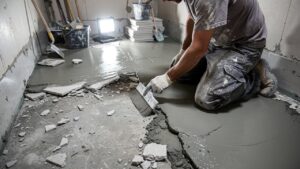
- Repair the waterproofing, pipe, roof, wall, or concrete defect
- Allow the area to dry properly
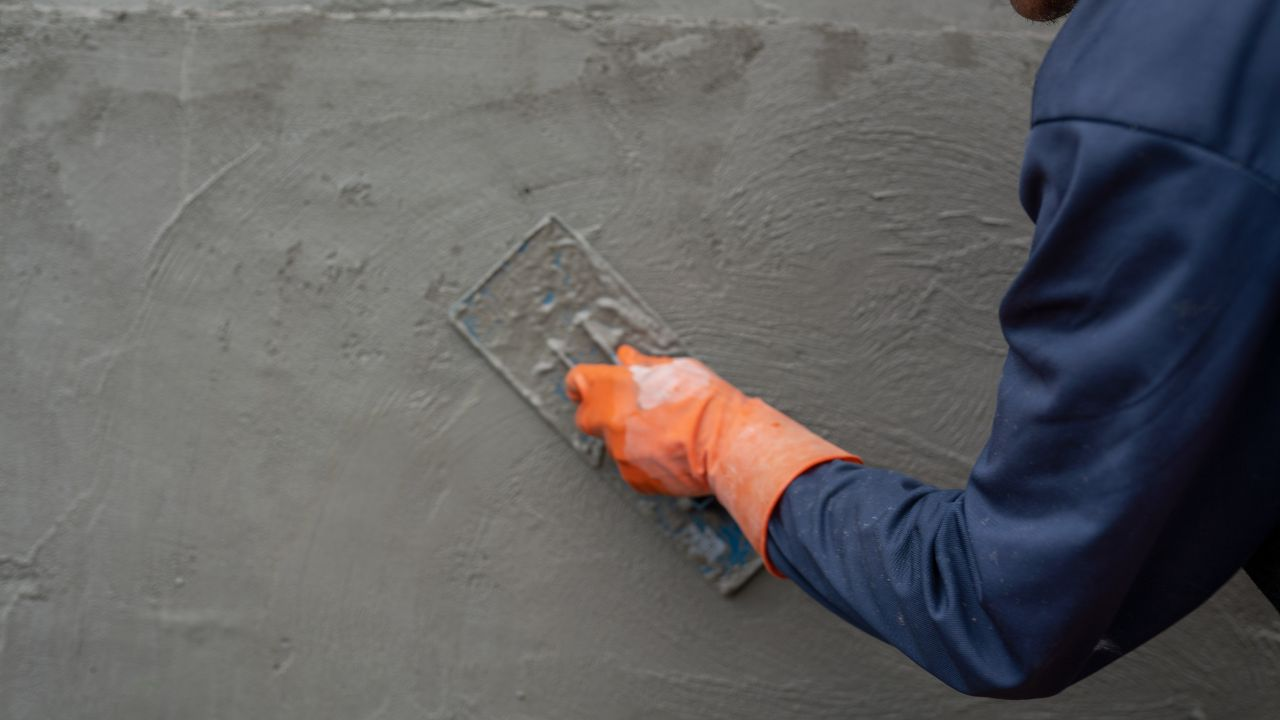
- Reinstate plaster, ceiling board, primer, and paint
Skipping the diagnosis stage often leads to repeated repair costs.
How Professionals Repair Ceiling Leakage
The repair method depends on the source.
Common solutions include:
- Reapplying waterproofing membranes in wet areas
- Repairing roof cracks, coatings, or joints
- Replacing failed sealant around windows or external joints
- Repairing concrete cracks or spalling
- Fixing leaking pipes or drainage paths
- Replacing damaged ceiling boards after drying
- Using rope access for difficult exterior areas
Allstar Waterproofing & Services offers free inspections, clear quotations, and warranty-backed repair options. For hard-to-reach building exteriors, its rope access services are handled by IRATA-certified professionals.
How to Prevent Future Ceiling Leaks
Prevention is important in Singapore’s rainy and humid climate. Regular checks can help catch small defects before they become ceiling leaks.
Helpful steps include:
- Check bathroom grout and silicone sealant regularly
- Clear roof gutters and balcony drains
- Service air-conditioning drainage pipes
- Repair roof cracks before heavy rain periods
- Inspect ceilings after storms or renovation works
- Avoid repainting over damp stains without diagnosis
- Arrange waterproofing checks for older properties
FAQ
What should I do first when water leaks from my ceiling?
Move valuables away, place a container under the drip, take photos, and switch off nearby electrical points if water is close to lights or wiring. Then arrange an inspection to find the source.
Can ceiling leakage come from the unit above?
Yes. In flats and condominiums, ceiling leakage often comes from failed bathroom, toilet, kitchen, or balcony waterproofing in the unit above.
How long does ceiling leak repair take?
Minor repairs may be completed quickly. Waterproofing, roof repair, concrete repair, or ceiling reinstatement may take several days or longer depending on severity and drying time.
Does Allstar Waterproofing repair ceiling leaks?
Yes. Allstar Waterproofing & Services provides ceiling leakage repair, water seepage repair, roof waterproofing, wet area waterproofing, concrete repair, and related services in Singapore.