Why Is My Ceiling Leaking: Identifying Rain-Related Patterns
As Singapore’s rainy season arrives, that persistent drip from your ceiling can quickly escalate into a major flood. But why does this happen? Intense downpours can reveal issues such as cracked roofs, clogged gutters, blocked drainage systems, and deteriorating waterproofing membranes, allowing moisture to penetrate your home and threaten its structural integrity and your family’s well-being. If you notice water leakage from the ceiling, identifying the source early can help prevent more serious damage. Allstar Waterproofing outlines the primary causes, key warning signs, typical repair expenses, and effective prevention strategies. Discover why professional inspections offered free by our team can be more effective than DIY efforts, and get straightforward answers to your most pressing questions today.
Key Takeaways: (Roof Leakage, Water Seepage, Ceiling Leaks)
Intense Singapore rains can overwhelm damaged waterproofing membranes and roof defects, allowing water to penetrate ceilings rapidly.
Clogged gutters can cause water ponding and worsen structural cracks, increasing the risk of water seepage and ceiling issues during prolonged rainy periods.
Trust specialists like Allstar Waterproofing for free inspections and proven repair solutions that help prevent costly property damage.
Spotting why your ceiling is leaking often comes down to recognizing rain-related patterns, like drips that start right after heavy rain in Singapore’s monsoon season. In HDB HDB flats, condominiums, and landed properties, water seepage from a leaking roof worsens during this time due to heavy rainfall and strong winds. Check for water stains that expand after storms.
Ceiling leaks tied to rain show clear patterns, such as drips from roof valleys or failed flashing around roof tiles. In Singapore homes, clogged gutters and blocked gutters cause water saturation, leading to mould growth in the ceiling cavity. Notice if ceiling leaks align with prolonged humidity from the rainy season.
According to the Building and Construction Authority (BCA), poor roof maintenance and roof waterproofing waterproofing failures amplify these rain-related defects in high-rises. Water damage spreads quickly, causing damp odours and structural damage if ignored. Track rain-related leaks over several rain events to confirm rain-related defects.
In condominiums, shared concrete slabs hide hairline cracks from roof damage, while landed properties face gutter cleaning neglect. Early roof inspections prevent mould growth and ceiling leakage repair costs. Experts recommend noting patterns before calling a waterproofing specialist, roof specialist, or air-con technician.
Questions to Ask Yourself First
Before panicking, ask yourself: Does the ceiling drip only during heavy rain, or is it constant dripping from air-con condensation or a plumbing issue? In HDB flats and condominiums, rain-related leaks follow monsoon season storms, unlike steady leaks from embedded pipes. This helps with leak diagnosis.
Is there water stains spreading in fan shapes after rain, pointing to roof leaks or window leakage? Check for damp walls or mould growth near the ceiling leak, common in landed properties with poor balcony waterproofing. Note any roof issues like lifted roof tiles.
- Does dripping worsen with strong winds, suggesting waterproofing membrane failure on the roof?
- Are there signs of air-con drainage problems, like water near the air-con unit or a full condensation tray?
- Have you noticed plumbing leaks from bathroom ceiling above, or is it isolated to rainy days?
- Any damp odours or discoloration only after heavy rainfall?
If patterns match rain, inspect for construction workmanship flaws during the defects liability period (DLP), like DLP in BTO defect inspection. Otherwise, call an air-con technician for ceiling dripping from units. Seek professional assessment for hidden property defects to avoid leak repair cost surprises and ensure building maintenance.
Rain-Related Ceiling Dripping: Roof Damage or Waterproofing Failure
Rain-related ceiling dripping in Singapore homes, condominiums, and landed properties could signal roof damage from clogged gutters or a straightforward waterproofing failure in your waterproofing membrane. During heavy rainfall, water finds weak spots in roofs or slabs. Water damage homeowners often spot water stains first, but the real issue hides above.
Roof leaks from damaged roof tiles or failed flashing let water leakage pool on concrete slabs. This leads to water seepage through the ceiling cavity. In contrast, a torn waterproofing membrane allows water saturation without obvious roof issues.
Consider a landed properties where roof valleys crack from strong winds. Water rushes in during monsoons, bypassing gutters. Or, in condominiums, poor balcony waterproofing sends water down to lower units’ ceilings.
To tell them apart, check for visible roof damage or test with a professional assessment. Roof specialists inspect roof flashing and roof tiles, while waterproofing specialist experts probe waterproofing membranes. Leak diagnosis saves on ceiling leakage repair costs.
Common Causes of Rain-Related Ceiling Leaks
Common culprits behind rain-related ceiling leaks include clogged gutters, cracked roof tiles, issues in roof valleys, failed flashing, and deteriorating waterproofing membranes. In Singapore homes, leaves and debris block gutters fast. This causes ponding on roofs, leading to leaks.
Structural cracks in concrete slabs from settling homes worsen with heavy rain. Water seeps through hairline cracks into the ceiling. Failed vent caps or roof flashing around chimneys add to the problem.
Other issues hide in attic spaces or embedded pipes. For example, poor bathroom waterproofing lets shower water join rainwater leak seepage. In HDB flats, BTO defect checks often miss these early.
- Regular gutter cleaning prevents overflow and ponding.
- Inspect roof tiles for cracks after storms.
- Check flashing and vent caps for rust or gaps.
- Schedule roof inspections for hidden waterproofing failures.
How Singapore’s Rainy Season Accelerates the Problem
Singapore’s rainy season, with its monsoon season and monsoon seasons downpours, strong winds, and prolonged humidity, quickly turns minor roof issues into major water saturation problems. Heavy rainfall overwhelms blocked gutters and weak membranes. Ceilings start with a drip, then constant dripping follows.
Water damage spreads fast in humid conditions, fostering mold growth and mould growth, producing damp odours. Strong winds lift tiles, exposing roof valleys to leaks. Humidity keeps surfaces wet, worsening ceiling leaks in condominiums and landed properties.
Prolonged exposure leads to electrical wiring risks in ceiling cavity. Water stains turn into structural damage without quick action. Experts recommend roof maintenance before the monsoon peaks.
Act on early signs like ceiling dripping or damp walls. Call a roof specialist or waterproofing specialist for leak repair cost. During DLP or defect liability period, request HDB defect inspection or condo defect check for free fixes.
Top Causes of Ceiling Water Seepage Worsening in Rainy Seasons
The top causes of ceiling water seepage worsening in rainy seasons boil down to neglected roof maintenance, blocked gutters, and emerging structural damage exposed by heavy rain. During the monsoon season, constant downpours test roofs in Singapore homes, condominiums, and landed properties. Issues like roof leaks and water stains appear suddenly as heavy rainfall overwhelms weak spots.
Clogged gutters top the list, causing ponding water that seeps through concrete slabs and widens hairline cracks. Neglected roof waterproofing and roof maintenance fails next, with damaged membranes allowing water leakage into the ceiling cavity. Strong winds during storms lift roof tiles or damage roof valleys, creating new entry points for rain.
Structural elements like steel reinforcement and embedded pipes rust faster with water saturation, leading to ceiling leaks and constant dripping. Mould growth follows from prolonged humidity, producing damp odours and health risks. Early roof inspections spot these rain-related defects before they cause major water damage.
Experts recommend seasonal gutter cleaning and checking for failed flashing around chimneys and vent cap. In HDB flats or condos, report issues during the Defects Liability Period for free fixes (bizSAFE3 certified contractors recommended). Addressing these keeps ceiling dripping at bay even in peak rainy months.
Damaged Waterproofing Membranes and Roof Defects
Damaged waterproofing membranes and roof defects (incl. leaking roof) are prime suspects when ceiling water seepage ramps up, as cracks in the waterproofing membrane fail under rain pressure. Heavy rain exploits these flaws in roof waterproofing, causing ceiling leakage repair needs. Construction workmanship issues often hide until monsoon season strikes.
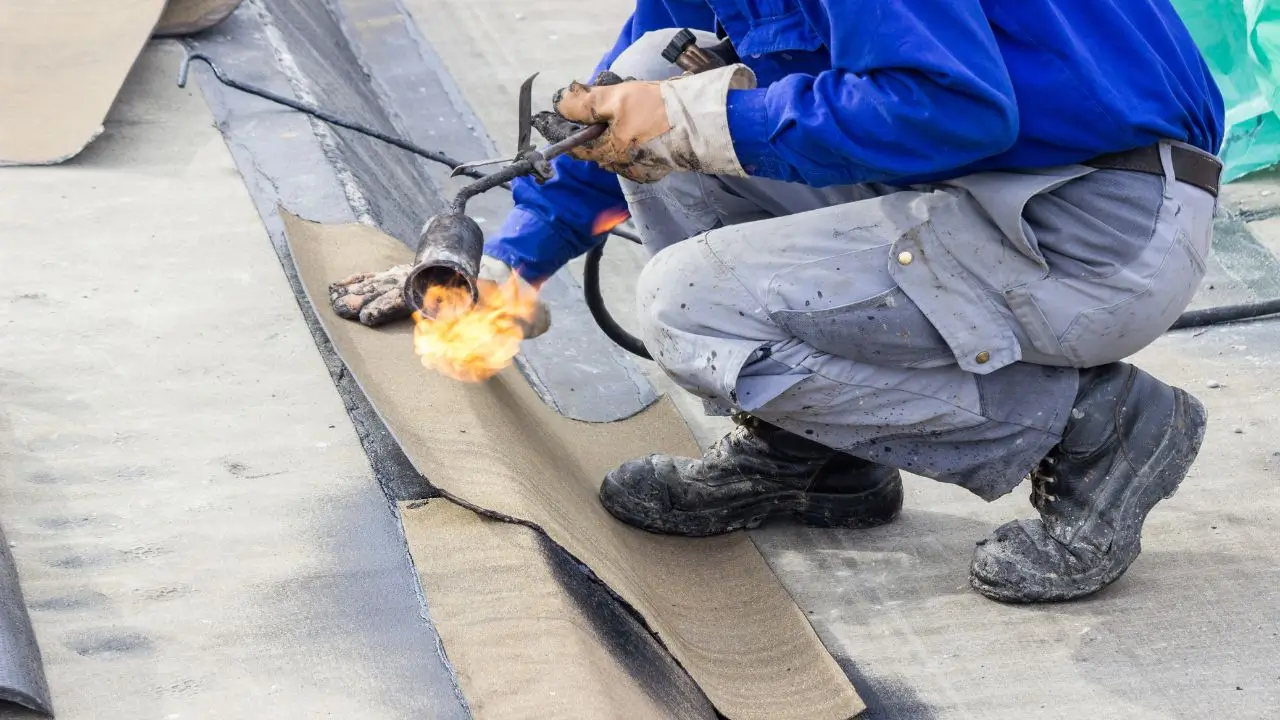
Poorly applied waterproofing membranes on flat roofs or balconies blister and peel after years of sun and heavy rainfall. Water finds paths through tiny gaps, saturating concrete slabs above bedrooms or living areas. A waterproofing specialist can perform leak diagnosis to confirm waterproofing failures.
In landed properties, roof defects like loose roof tiles or faulty balcony waterproofing worsen with strong winds. BCA guidelines stress quality materials during building. Schedule professional assessment if you spot water stains or damp walls post-rain, check for window leakage.
Prevent escalation by roof inspections during dry spells, perform handover inspection. Reapply waterproof membranes before the next rainy season to avoid ceiling drip and mold growth. Hidden property defects like these demand prompt condo defect inspection, hdb defect inspection, bto defect inspection, condo defect check, hdb defect check, or bto defect check.
Clogged Gutters, Ponding, Structural Cracks, rain-related leaks, ceiling leaking, ceiling drip
Clogged gutters lead to ponding water and widen structural cracks, turning small issues into gushing Ceiling Leaks during storms. Leaves and debris block flow, forcing water to overflow onto roofs. This Roof Leakage affects Singapore homes from HDB to condos.
Ponding water sits on flat roofs, seeping through hairline cracks in concrete slabs or around embedded pipes. Over time, it erodes steel reinforcement, risking collapse. Heavy rain amplifies ponding, leading to Water Seepage and electrical wiring hazards.
- Clear blocked gutters twice yearly, especially pre-Monsoon Season.
- Install mesh guards to prevent future clogs.
- Check roof valleys for standing water after rains.
- Seal structural cracks with epoxy before they expand.
Prevention saves on leak repair cost. Call a roof specialist for gutter cleaning and roof inspections if damp odours appear. Act fast to stop rain-related leaks from causing lasting water damage.
Signs and Risks of Ignoring Rain-Worsened Ceiling Seepage
Ignoring rain-worsened ceiling seepage shows up as water stains, mould growth, damp odours, and risks to electrical wiring plus long-term structural damage. In HDB flats and condominiums, these issues often start small during the Monsoon Season but grow quickly. Homeowners notice them first after heavy rainfall.
Water stains appear as dark patches on ceilings, especially in ceiling cavities above living rooms. Damp walls follow as water spreads from ceiling leaks. These signs point to hidden property defects like failed waterproofing membranes.
Mould growth thrives in the prolonged humidity of rainy seasons, releasing spores that affect health. Damp odours linger in Singapore homes, signaling water saturation. Ignoring them leads to bigger problems in condos and HDB units.
Common Signs in HDB and Condos
In HDB flats, ceiling dripping often traces to roof leaks or blocked gutters during heavy rain. Condo owners spot constant dripping from Balcony Waterproofing failures. Check for hairline cracks near roof valleys or Window Leakage.
- Water stains expanding after storms in bedroom ceilings.
- Mould growth on damp walls near Bathroom Waterproofing.
- Damp odours from ceiling cavity buildup.
- Ceiling leaks worsening with strong winds.
During BTO defect inspection or HDB defect check, look for these early. A professional assessment helps spot rain-related defects before they spread.
Risks of Delay in Rainy Seasons
Untreated Water Seepage damages electrical wiring hidden in concrete slabs, risking shorts in condos. Structural damage weakens beams from water damage in HDB structures. Roof damage from clogged gutters adds to leak repair costs.
- Mold growth spreads to furniture and airways.
- Ceiling leakage repair becomes urgent after heavy rainfall.
- Hidden property defects surface during condo defect inspection.
- Water saturation erodes roof tiles and waterproofing failure.
Experts recommend roof inspections and gutter cleaning before monsoons. Call a waterproofing specialist for leak diagnosis to avoid construction workmanship issues in defects liability period.
Who to Call for Rain-Related Ceiling Seepage
For rain-related ceiling seepage, call a waterproofing specialist like Roof Doctors or Allstar Waterproofing, experts in HDB defect inspection and condo defect checks. These pros bring over 20 years of experience handling roof leaks and water damage in Singapore homes, condominiums, and landed properties. They offer free inspections to spot issues like clogged gutters or failed flashing during the Monsoon Season.
Choose certified teams with bizSAFE3 status for safe, reliable professional assessment. They tackle rain-related leaks from roof valleys, roof tiles, or waterproof membrane failures that cause ceiling drips and constant dripping. Their roof maintenance services prevent mould growth and structural damage from heavy rainfall.
In HDB flats or condos, they check for Defects Liability Period issues like hairline cracks in concrete slabs or window leakage. For landed homes, they inspect Balcony Waterproofing and Bathroom Waterproofing to stop ceiling leaks. Expect quick ceiling leakage repair with minimal disruption.
SWC Construction stands out for gutter cleaning and roof waterproofing in strong winds conditions. They identify hidden property defects early, avoiding costly leak repair cost later. Trust their expertise over general handymen for lasting fixes.
Why Specialist Diagnosis Beats DIY Fixes
Specialist diagnosis from a roof specialist trumps DIY fixes by uncovering hidden leaks via thorough roof inspections and free inspections. Homeowners often miss waterproofing failures like embedded pipes or roof damage behind water stains. Pros use tools to detect ceiling cavity saturation that leads to damp odours and electrical wiring risks.
DIY attempts at leaking roof patches fail against prolonged humidity and heavy rain, worsening mold growth and damp walls. Specialists follow Building and Construction Authority guidelines for construction workmanship checks, ensuring BTO defect inspection or HDB defect check accuracy. They differentiate rain-related defects from plumbing leaks or air-con condensation.
A professional assessment pinpoints causes like blocked gutters, air-con drainage issues, or condensation tray failures. For example, they trace ceiling dripping to roof issues rather than assuming plumbing issue, saving on leak repair cost. This prevents water saturation spreading to building maintenance nightmares.
Experts recommend calling an air-con technician only after ruling out water leakage from above. Their leak diagnosis covers condo defect inspection, HDB defect check, and roof maintenance for comprehensive protection. Avoid DIY risks and opt for proven ceiling leak solutions.
What to Do Immediately When Ceiling Seepage Worsens in Rain
When ceiling seepage worsens in heavy rain, act fast: contain the leak, document for BTO defect inspection or Handover Inspection, and call pros. Place buckets or trays under the ceiling leak to catch dripping water and prevent further water damage. This stops structural damage from worsening during the monsoon season.
Next, document everything with photos and videos of the ceiling leaking, water stains, and any rain-related leaks. Note the time, weather, and location, like above your bedroom or kitchen. This evidence helps during HDB defect inspection or condo defect check, especially if within the DLP (Defects Liability Period).
Turn off power to affected areas to avoid risks from electrical wiring in the ceiling cavity. Check for signs like damp odours or mould growth, which signal water saturation. Avoid touching the area if you suspect plumbing leaks or air-con condensation.
- Contain the drip with containers and towels to manage constant dripping.
- Document the ceiling leaking for Town Council reports or DLP claims.
- Contact a waterproofing specialist or roof specialist for urgent leak diagnosis.
- Schedule professional assessment to check for clogged gutters, roof leaks, or waterproofing failure.
Cost of Ceiling Seepage Repair in Singapore
Ceiling seepage repair costs in Singapore vary, but free inspections from specialists help gauge leak repair cost for HDB defect checks or condo defect checks.
During the rainy season, issues like rain-related defects from heavy rainfall push costs higher due to structural damage and waterproofing failures. For example, a simple ceiling leak in a BTO flat might need basic patching, while roof leaks in landed properties often require full roof waterproofing overhauls. Experts recommend starting with a professional assessment to avoid surprises.
The Defects Liability Period, or DLP, covers many construction workmanship flaws in new Singapore homes, potentially making repairs free if caught early. In condominiums, MCST rules influence how ceiling leakage repair gets handled, especially for shared concrete slabs. Free inspections during this phase spot hidden property defects like hairline cracks before they worsen.
Neglecting ceiling dripping leads to mould growth, damp odours, and even electrical wiring risks from water saturation in the ceiling cavity. A waterproofing specialist can differentiate rain-related leaks from plumbing leaks or air-con condensation. Acting fast saves on leak diagnosis and long-term building maintenance.
Factors Affecting Price and Value of Free Inspections
Factors like repair scope and material quality affect price, but free inspections add huge value by spotting waterproofing failures early.
Roof maintenance needs, such as fixing clogged gutters or failed flashing around roof valleys, drive up costs during monsoon season. In HDB units, bathroom waterproofing or balcony waterproofing issues from prolonged humidity require targeted waterproofing membranes. Roof inspections reveal roof tiles shifts from strong winds, preventing water stains and constant dripping.
For condo defect inspection or HDB defect check, the Defects Liability Period often offsets expenses if water seepage ties to roof damage. MCST oversight in condominiums ensures fair BTO defect checks, but delays from heavy rain inflate ceiling drip fixes. Free checks by a roof specialist identify window leakage or embedded pipes problems quickly.
Quality choices, like durable waterproof membrane over cheap patches, impact long-term Water Seepage repair cost. Experts advise gutter cleaning and checking air-con drainage or condensation tray to rule out non-rain causes. Early free inspections during Monsoon Season prevent mold growth and water damage in landed properties.
Preventing Ceiling Seepage During Rainy Seasons
Prevent Ceiling Leaks in rainy seasons with regular roof maintenance, gutter cleaning, and proper Bathroom Waterproofing, Balcony Waterproofing, plus Window Leakage fixes. Singapore homes face heavy rainfall during the Monsoon Season, which worsens water seepage issues. Simple steps can protect your ceilings from ceiling leaks and water damage.
Start with roof inspections before the rainy season hits. Check for roof tiles that are loose or cracked, as they allow heavy rain to seep through. Clearing clogged gutters and blocked gutters prevents water buildup that leads to roof leaks.
Address common problem areas like Façade Waterproofing and Window Leakage in Singapore homes, condominiums, and landed properties. Apply fresh waterproofing membranes on balconies to stop rain-related leaks. For bathrooms, ensure Bathroom Waterproofing covers walls and floors to avoid Plumbing Leaks mimicking ceiling dripping.
- Schedule annual gutter cleaning to manage heavy rainfall runoff.
- Inspect roof valleys and failed flashing for early signs of waterproofing failure.
- Fix hairline cracks in concrete slabs with a waterproofing specialist.
- Check air-con drainage and condensation trays to rule out air-con condensation.
Roof Maintenance Essentials
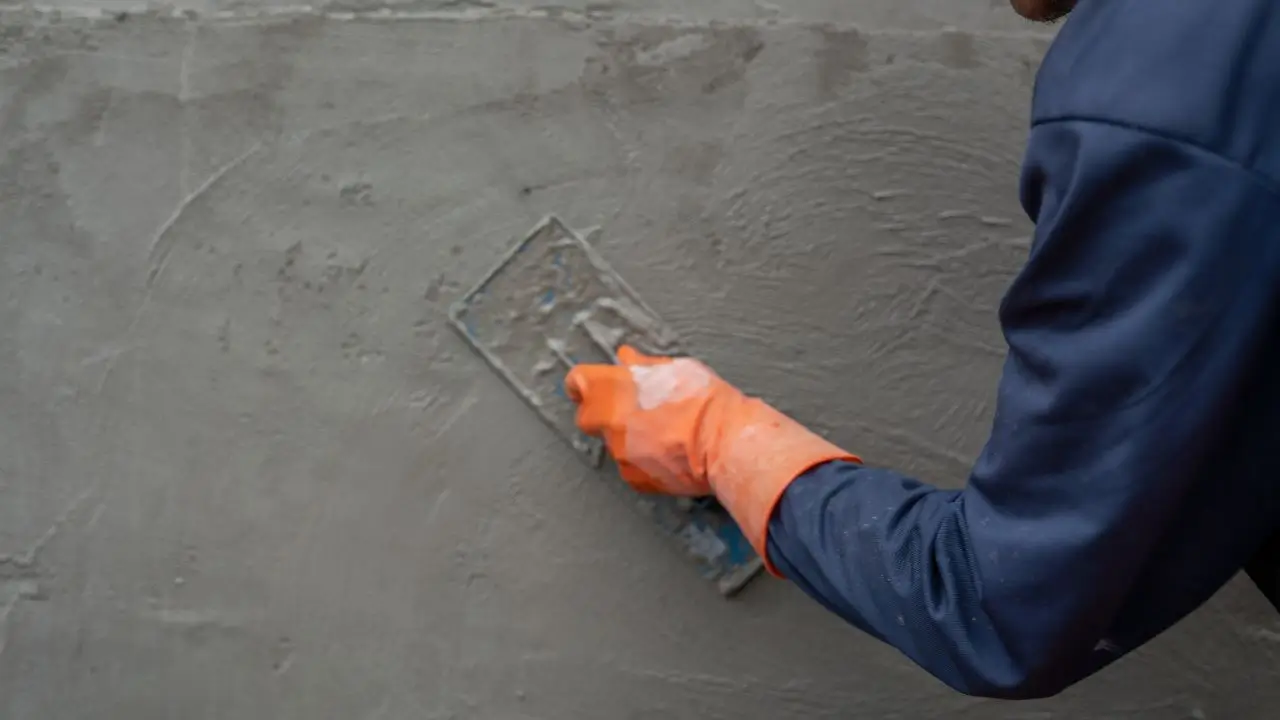
Regular roof maintenance keeps leaking roof problems at bay during Singapore’s rainy season. Look for roof damage like displaced roof tiles or worn waterproof membrane. Early roof inspections spot water saturation before it causes ceiling leakage repair needs.
Clean clogged gutters twice a year, especially after strong winds. Debris from leaves blocks water flow, leading to overflows and ceiling drip. Hire a roof specialist for thorough leak diagnosis if you notice water stains.
Apply roof waterproofing coatings to seal Roof Leakage issues. This prevents structural damage from prolonged humidity and mould growth. In HDB flats or condos, check during DLP or Defects Liability Period for hidden property defects.
Waterproofing Key Areas
Focus on bathroom waterproofing and balcony waterproofing to stop water leakage into ceilings. Test for plumbing leaks by running water and checking for damp walls or damp odours. Reapply waterproofing membranes if you see signs of waterproofing failures.
Fix window leakage with proper sealing around frames, common in condominiums. During heavy rain, these gaps cause ceiling leaking and constant dripping. Use silicone sealants for quick protection.
For façade waterproofing, inspect external walls for construction workmanship issues. In landed properties, cover embedded pipes in ceiling cavity. A professional assessment avoids leak repair cost surprises.
Addressing Internal Leaks
Rule out plumbing leaks and air-con condensation as sources of ceiling leaks. Call an air-con technician to clear air-con drainage lines. Window leakage often pairs with internal condensation tray failures.
Inspect for electrical wiring near damp spots to prevent hazards from water damage. Mold growth thrives in ceiling cavity from rain-related defects. Dry areas promptly to avoid mould growth.
During HDB defect inspection, condo defect check, or BTO Handover Inspection, report ceiling dripping. This catches building maintenance gaps early. Regular checks ensure your home stays dry.
Frequently Asked Questions
Got questions on Ceiling Leaks and Water Seepage in Singapore? Our FAQs cover everything from Roof Leakage to Bathroom Waterproofing solutions.
Heavy rain during the monsoon season often brings out hidden issues like roof damage and clogged gutters. Homeowners in HDB flats, condominiums, and landed properties frequently ask about balcony waterproofing and roof maintenance to prevent water stains and mould growth.
These queries address common concerns such as strong winds pushing water into roof valleys or waterproofing failure from hairline cracks. Experts recommend regular roof inspections and gutter cleaning to catch rain-related leaks early.
From ceiling dripping caused by leaking roof tiles to window leakage in Singapore homes, we break down causes and fixes. Learn about ceiling leakage repair and when to call a waterproofing specialist.
Why does ceiling seepage worsen during rainy seasons?
Ceiling seepage worsens in rainy seasons due to Monsoon Season intensity, heavy rainfall causing water saturation and exposing roof issues.
Strong winds during the rainy season drive water under roof tiles and into failed flashing. This leads to constant dripping as water pools in ceiling cavities, often from blocked gutters or roof valleys.
Heavy rain overwhelms waterproof membranes, revealing waterproofing failures like cracks in concrete slabs. For example, water seeps through hairline cracks in older HDB roofs, causing visible ceiling leaks.
Regular roof maintenance, such as clearing clogged gutters before the monsoon season, helps. Schedule roof inspections to spot roof damage early and avoid water damage from prolonged humidity.
Is ceiling seepage an emergency in Singapore?
Yes, ceiling seepage is often an emergency in Singapore, risking mold growth, electrical wiring hazards, and structural damage in HDB flats.
Damp odours signal water saturation that breeds mold growth in hidden areas. This can spread to damp walls and affect air quality, especially in humid Singapore homes.
In condominiums and landed properties, Ceiling Leaks threaten embedded pipes and wiring. Act fast to prevent water damage, like stains turning into ceiling drips that weaken structures.
Seek a professional assessment for leak diagnosis, distinguishing rain-related leaks from plumbing leaks or air-con condensation. During defects liability period, request HDB defect inspection or condo defect check for hidden property defects.
Frequently Asked Questions
Why Water Seepage Ceiling Problems Worsen During Rainy Seasons?
Water Seepage ceiling problems worsen during rainy seasons because heavy rainfall increases water pressure on roofs and walls, exploiting existing cracks or weak seals in building structures. In Singapore’s humid climate, prolonged rain saturates materials, allowing water to penetrate through tiny gaps that remain hidden in dry weather. Allstar Waterproofing, associated with Roof Doctors, with over 20 years of experience certified by BCA and Building & Construction Authority, offers free inspections to identify these vulnerabilities early and prevent worsening damage.
What Causes Water Seepage in Ceilings to Intensify Specifically During Monsoon Season?
During Monsoon Season, the volume and frequency of rainfall overwhelm compromised waterproofing layers, causing water to seep through roofs and trickle down to ceilings. Factors like wind-driven rain and poor drainage exacerbate this. Trust Allstar Waterproofing’s expert leakage repair services using quality materials for long-lasting protection and warranty-backed solutions for your HDB flat or building, in collaboration with MCST and Town Council.
How Does Heavy Rain in Rainy Seasons Make Ceiling Water Seepage Problems Worse?
Heavy rain in rainy seasons heightens hydrostatic pressure on building exteriors, forcing water into microscopic cracks in concrete or roofing that expand over time. This leads to visible ceiling stains and drips. Allstar Waterproofing specializes in roof and concrete waterproofing, providing reliable repairs that withstand Singapore’s intense monsoons with durable, high-quality applications.
Why Do Ceiling Seepage Issues Become More Severe in the Rainy Seasons?
Ceiling seepage issues become more severe in rainy seasons due to increased moisture saturation, which softens sealants and reveals hidden leaks from aging structures. Singapore’s tropical downpours accelerate this deterioration. Contact Allstar Waterproofing for a free inspection and professional leakage repair to ensure your property gets long-lasting protection with our proven warranty support.
What Makes Water Seepage Ceiling Problems Aggravate During Singapore’s Rainy Seasons?
In Singapore’s rainy seasons, relentless rain combined with high humidity penetrates weakened waterproofing membranes, causing ceiling problems to aggravate through capillary action and pooling water. Allstar Waterproofing’s 20+ years of expertise in quality waterproofing solutions prevents this, offering comprehensive services from inspection to repair for enduring home and building safety.
Why Water Seepage Ceiling Problems Worsen During Rainy Seasons and How to Fix Them?
Water seepage ceiling problems worsen during rainy seasons as storms drive water into structural flaws, leading to mold, structural damage, and costly repairs if ignored. Allstar Waterproofing provides free inspections, advanced leakage repair, and roof/concrete waterproofing with premium materials, backed by warranties for long-lasting protection tailored to Singapore’s challenging weather.