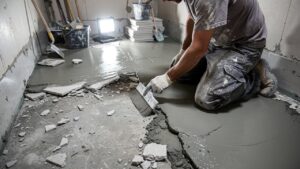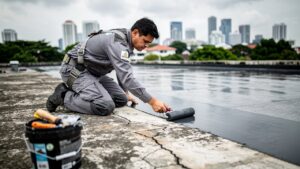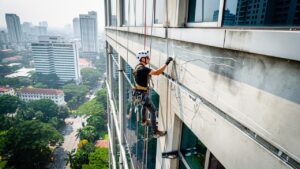
In Singapore’s relentless tropical downpours, neglecting waterproofing before renovations can transform your dream home into a leaky nightmare. This guide explains what waterproofing truly entails, why our humid climate requires it from the outset, and the key reasons, including preventing structural damage, mitigating health issues, stopping leaks, and achieving significant cost savings. You’ll discover the essential areas that must be waterproofed, proven techniques, best practices, and clear steps for success—plus why entrusting the job to experts like Allstar Waterproofing Pte Ltd, with over 20 years of experience, free inspections, and warranties, truly makes all the difference.
Key Takeaways:
- Singapore’s humid, rainy climate demands pre-renovation waterproofing to prevent water damage, structural weakening, and costly repairs during heavy tropical downpours.
- Waterproofing before renovations blocks leaks that cause mould growth, safeguarding family health from respiratory issues and allergies in damp environments.
- Expert waterproofing like Allstar’s ensures long-term protection, warranty-backed savings, and seamless renovations without future leakage disruptions.
What is Waterproofing?
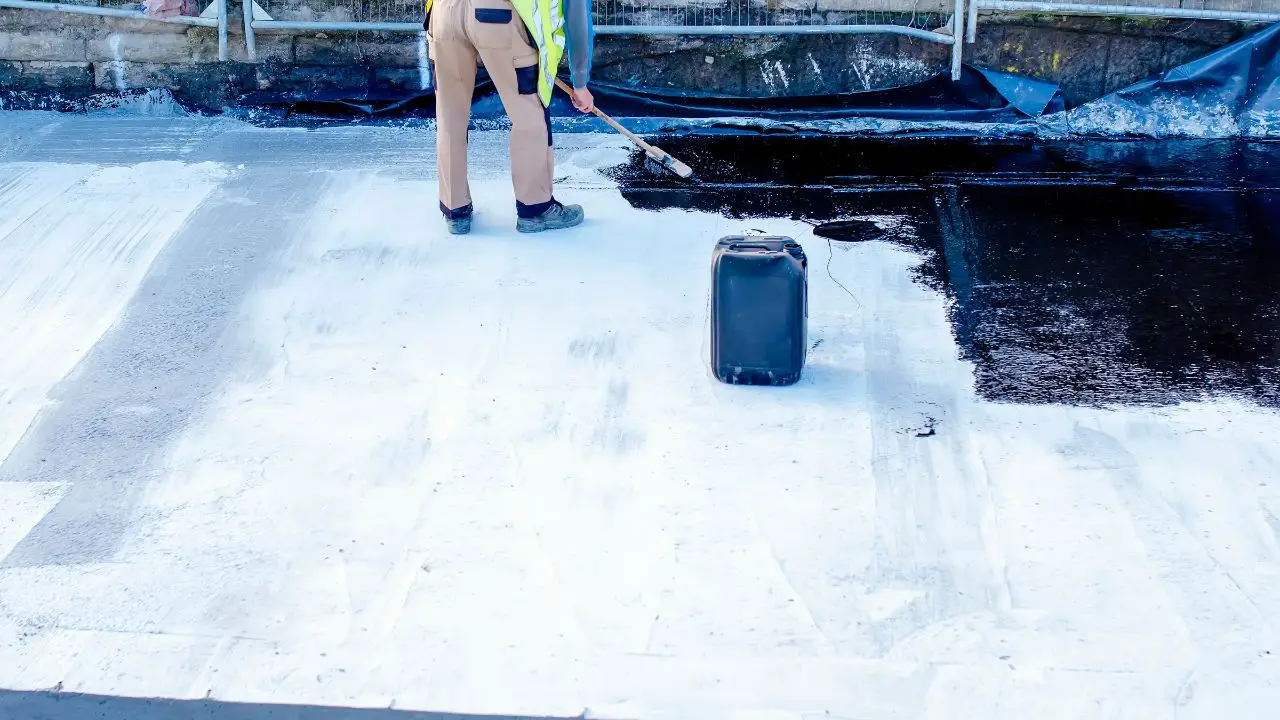
Waterproofing is the process of applying specialized waterproofing membranes, like liquid applied membranes, polyurethane (PU) coatings, and cementitious waterproofing, to surfaces such as roofs, external walls, and bathrooms to prevent water infiltration and water seepage.
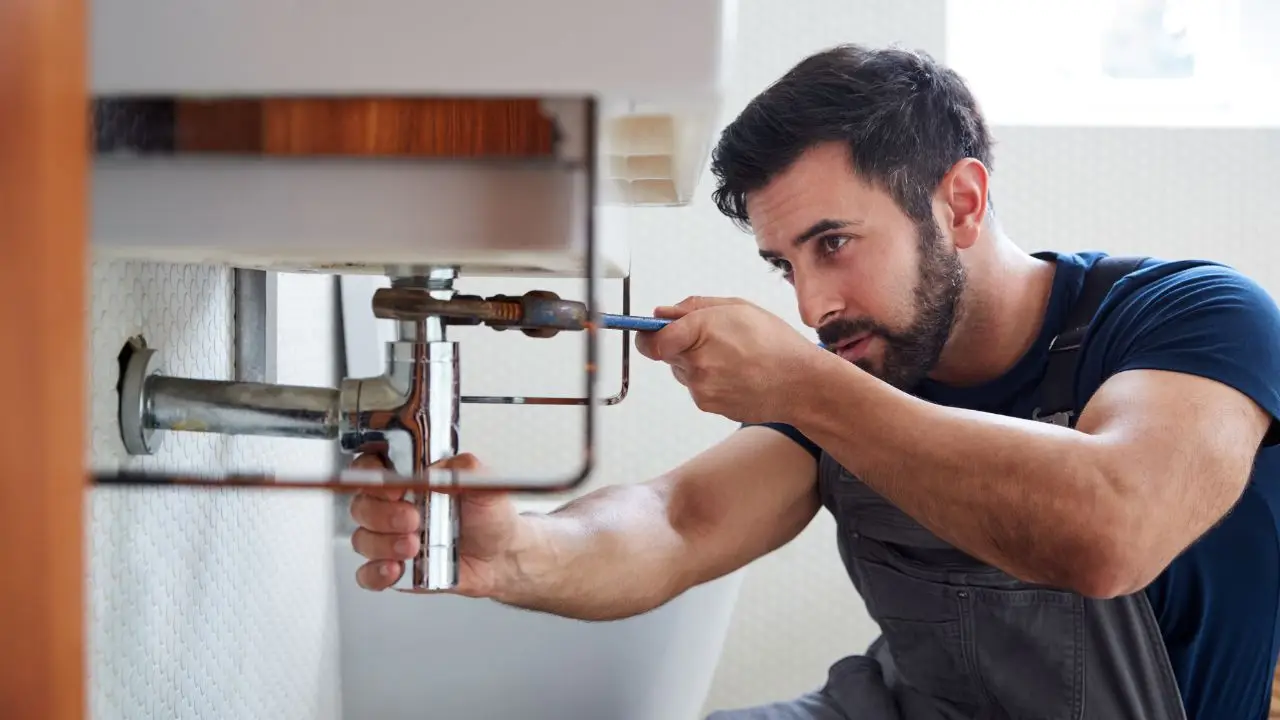
These systems create a seamless barrier against Singapore humidity and heavy rainfall. For instance, liquid membranes are brushed or sprayed onto surfaces, forming a flexible layer that accommodates thermal expansion. Quality materials ensure long-lasting protection for your construction project.
Common types include bitumen-based coatings for roofs and polyurethane for bathrooms. A skilled waterproofing contractor selects the right system based on the area, such as roof waterproofing or bathroom waterproofing. This prevents issues like water leakage and mould growth.
In Singapore’s tropical climate, choosing durable waterproofing solutions like cementitious coatings maintains structural integrity. Proper application under site supervision guarantees a reliable waterproofing system. It offers leakage prevention and reduces future maintenance costs.
Waterproofing & Singapore’s Climate
Singapore’s tropical climate, characterized by high humidity, heavy rainfall, and frequent rain, accelerates water damage, mould growth, and structural instability if proper waterproofing isn’t in place.
The constant Singapore humidity keeps surfaces damp, promoting black mould spots on walls and ceilings. This leads to ceiling stains and water stains that spread quickly during heavy rain. Without intervention, these issues escalate to water seepage and long-term property damage.
Thermal expansion from Singapore’s heat cycles worsens the problem. Materials like reinforced concrete expand and contract, creating tiny cracks where water ingress occurs. This causes flooding risks in lower levels and higher maintenance costs over time.
Experts recommend consulting waterproofing specialists for preventive measures. Applying liquid applied membranes or polyurethane coatings seals vulnerabilities before renovation. These steps protect structural integrity and ensure long term cost savings.
Reasons Why Waterproofing Before Renovation is Important
Incorporating waterproofing before renovation in Singapore construction projects is vital for preventive maintenance, adhering to Building and Construction Authority (BCA) building regulations, safeguarding property value, and minimizing future maintenance costs from issues like water ingress.
Singapore’s tropical climate brings high humidity, heavy rainfall, and frequent rain, making waterproofing solutions essential during renovations. Without it, water seepage can harm structural integrity and lead to costly fixes later. Early action ensures leakage prevention and roof protection.
Renovations often expose vulnerabilities in roofs terraces, and external walls. Applying waterproofing membranes or liquid applied membranes beforehand protects against water infiltration. This step aligns with industry standards and supports long term cost saving.
Experts recommend hiring a waterproofing contractor for site supervision and quality materials. Such preventive measures boost building durability and maintain property value in Singapore’s humid environment. Teasing ahead, key benefits include stopping water damage, health safeguards, leakage risks reduction, and ongoing savings.
1. Preventing Water Damage
Preventing water damage through timely waterproofing stops property damage like structural damage and roof leakage before they escalate during renovations.
In Singapore’s high humidity and heavy rain, water infiltration affects reinforced concrete and building foundation. For instance, unchecked leaks on roofs or terraces weaken structures over time. Roof waterproofing with polyurethane coatings prevents this.
During renovations, exposing areas like basements or underground spaces heightens risks. Using liquid membranes or cementitious waterproofing seals cracks from thermal expansion. Regular visual inspection catches issues early.
Practical advice includes applying membrane waterproofing before tiling bathrooms wet rooms. This shields against water ingress, preserving structural integrity and avoiding structural instability from flooding.
2. Protecting Against Health Issues
Waterproofing protects against health issues like mould growth, dengue fever from mosquito breeding in stagnant water, and respiratory system problems caused by fungi, bacteria, and indoor allergens.
In Singapore humidity, water seepage fosters mold growth on walls and ceilings, harming indoor air quality. This triggers asthma or other respiratory issues for occupants. Effective preventive maintenance stops such health hazards.
Stagnant water in poorly sealed terraces or swimming pools invites mosquito breeding and dengue fever risks. Waterproofing systems like polyurethane PU coatings eliminate these breeding spots. Families stay safer with proper barriers.
Choose cementitious coatings for bathrooms to block moisture. Improving indoor air quality reduces exposure to indoor allergens, promoting overall well-being in renovated homes.
3. Reducing Risks of Water Leakage
Reducing risks of water leakage via expert leak repairs prevents unsightly water stains, ceiling stains, and water seepage that compromise your renovation.
Singapore’s frequent rain and high humidity penetrate external walls if not addressed pre-renovation. Leaks cause visible ceiling stains and damage interiors. Leak repairs with waterproofing specialists fix this promptly.
Scenarios like heavy downpours reveal weaknesses in older structures. Applying liquid applied membranes seals joints and prevents seepage. This maintains the fresh look of your renovated space.
Focus on roof protection and terraces with quality materials waterproof membranes. Preventive measures during construction projects ensure no water damages disrupt your project timeline or aesthetics.
4. Long-Term Cost Savings
Investing in waterproofing now delivers long-term cost savings by slashing future maintenance costs and avoiding expensive property damage repairs.
Preventive waterproofing in Singapore construction outperforms reactive fixes. It cuts maintenance costs from repeated water damages or structural repairs. Building durability lasts longer with upfront protection.
Materials like polyurethane coatings offer thermal insulation benefits too. They reduce energy bills in humid climates and protect against heavy rainfall impacts. Property value stays high without surprise expenses.
Hire professionals for Singapore waterproofing to meet BCA standards. This approach ensures overall building durability, turning one-time investment into years of savings on leakage prevention and upkeep.
Key Areas Requiring Waterproofing in Renovations
In Singapore renovations, key areas requiring waterproofing include roofs terraces, basements underground, bathrooms wet rooms, external walls, balconies, swimming pools, and kitchens to fend off water ingress.
These spots face constant threats from Singapore’s tropical climate, high humidity, and heavy rainfall. Without proper waterproofing solutions, water seepage leads to structural damage and mold growth. Homeowners often spot early signs like water stains or ceiling stains in these vulnerable zones.
Focus on bathroom waterproofing and wet rooms first, as they deal with daily moisture. Apply liquid applied membranes or cementitious waterproofing to prevent leaks. Engaging a waterproofing contractor ensures quality materials and site supervision for lasting results.
Other critical areas like swimming pools and balconies need polyurethane coatings for flexibility against thermal expansion. This preventive maintenance boosts property value and cuts long-term maintenance costs. Regular visual inspections help catch water infiltration early.
Roofs and Terraces
waterproofing roof stands as a top priority in Singapore construction due to frequent rain and heavy downpours. Water pooling on roofs terraces causes leakage into living spaces below. Use waterproofing membranes like polyurethane PU to seal cracks and joints effectively.
Terraces often suffer from water damages during monsoons, leading to ceiling stains indoors. Experts recommend liquid membranes for seamless coverage over reinforced concrete surfaces. Proper application prevents structural instability and extends roof protection.
Combine membrane waterproofing with drainage systems for optimal results. This approach handles Singapore humidity and avoids costly leak repairs later. Schedule professional assessments to maintain building durability.
Basements and Underground Areas
Basements and underground structures demand robust waterproofing systems to combat groundwater rise in Singapore’s rainy seasons. Water infiltration weakens the building foundation and invites mold growth. Cementitious coatings provide a strong barrier against moisture penetration.
Flooding risks amplify in these enclosed spaces, causing property damage and health hazards like respiratory issues from poor indoor air quality. Install solutions approved by the Building and Construction Authority (BCA) meeting industry standards and building regulations. This safeguards against stagnant water and mosquito breeding.
Regular preventive measures, such as leakage prevention checks, keep basements dry. Polyurethane coatings add thermal insulation benefits too. Long-term cost savings come from avoiding major structural repairs.
Bathrooms and Wet Rooms
Bathroom waterproofing prevents water seepage into adjacent walls and floors, a common issue in high-humidity Singapore homes. Wet rooms with showers amplify risks of water leakage and mold growth. Apply liquid applied membranes for flexible, durable protection.
Pipes and tiles often hide leaks, leading to ceiling stains in lower levels. Use cementitious waterproofing around fixtures for targeted defense. Proper site supervision ensures adhesion to surfaces like tiles and concrete.
This waterproofing approach maintains indoor air quality and avoids health issues from indoor allergens. It also preserves structural integrity during renovations. Homeowners gain peace of mind with reliable leakage prevention.
External Walls, Balconies, and Swimming Pools
External walls face direct exposure to heavy rain and wind-driven moisture in Singapore’s climate. Balconies, planters, and podiums collect runoff, causing water stains and cracks over time. Polyurethane coatings offer breathable yet impermeable shields.
Swimming pools, fountains, and water tanks require specialized waterproof membranes to stop leaks into surrounding structures. Water loss affects pool maintenance and invites dengue fever risks from stagnant water nearby. Liquid membranes ensure seamless pool lining.
For balconies and walls, integrate preventive maintenance with quality materials. This curbs water ingress, boosts property value, and reduces repair costs. Consult waterproofing contractors for compliance with local standards.
Proven Techniques for Effective Waterproofing
Proven techniques for effective waterproofing feature liquid applied membranes, PU coatings, cementitious waterproofing, and bitumen for superior roof protection.
These methods address water seepage in Singapore’s tropical climate, where high humidity and heavy rainfall increase risks of water damage. Contractors apply them before renovations to ensure structural integrity and prevent costly repairs.
Choosing the right technique depends on the surface, such as roofs, terraces, or bathrooms. Experts recommend combining visual inspection with site supervision for best results using quality materials.
Implementing these during a construction project promotes leakage prevention and long-term cost savings, protecting against mold growth and property damage in frequent rain conditions.
Liquid Applied Membranes
Liquid applied membranes form a seamless barrier against water ingress on roofs, terraces, and external walls. They cure to create flexible waterproofing membranes that handle thermal expansion in Singapore’s humid environment.
Apply these thin layers with a brush or spray for even coverage, ideal for complex shapes like curved roofs. They excel in roof waterproofing, preventing ceiling stains and structural damage from heavy rain.
During renovations, pair them with preventive maintenance to block water infiltration. This technique boosts building durability and maintains indoor air quality by avoiding water stains and mold.
Polyurethane (PU) Coatings
Polyurethane (PU) coatings offer durable protection for bathrooms, wet rooms, and swimming pools. Their elasticity accommodates movement without cracking, crucial for Singapore construction amid high humidity.
Brush or roll on multiple coats for a tough, UV-resistant finish that seals against water leakage. Use them on reinforced concrete surfaces to prevent water damages and health hazards like respiratory issues from mold growth.
Waterproofing specialists favor PU for its adhesion to various substrates, ensuring long-term performance. Regular leak repairs become unnecessary, cutting maintenance costs over time.
Cementitious Coatings and Bitumen
Cementitious coatings provide a rigid, breathable layer for basements, underground areas, and internal walls. Mix with water and trowel on for easy application in renovation projects.
Bitumen sheets or emulsions deliver heavy-duty roof protection against flooding and stagnant water, which can lead to mosquito breeding and dengue fever risks. They suit flat roofs and terraces prone to pooling.
Both options meet industry standards when applied by a waterproofing contractor. They safeguard against water infiltration, preserving property value and preventing structural instability.
Best Practices for Renovation Waterproofing
Best practices for renovation waterproofing start with visual inspection, expert site supervision by companies like Hydro-seal Engineering and Allstar Waterproofing Pte Ltd, and using quality materials that meet industry standards. These steps help spot early signs of water stains or ceiling stains before they worsen. In Singapore’s tropical climate, this approach prevents water seepage during construction projects.
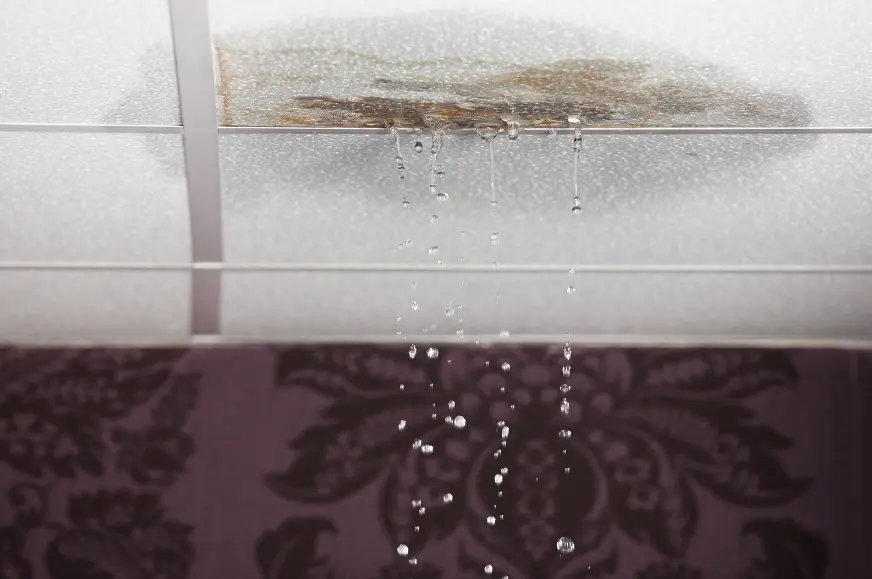
Focus on preventive measures like applying liquid applied membranes or polyurethane coatings to vulnerable areas such as external walls and roofs. Experts recommend site supervision by a waterproofing contractor to ensure proper application. This builds building durability against high humidity and heavy rainfall.
For leak repairs, identify the source through detailed checks on roofs terraces and bathrooms wet rooms. Use cementitious waterproofing for quick fixes that seal cracks effectively. Regular preventive maintenance reduces maintenance costs over time.
- Conduct visual inspection before starting any renovation work.
- Choose waterproofing membranes tested for Singapore humidity.
- Monitor roof waterproofing and bathroom waterproofing during the project.
- Verify structural integrity post-application to avoid water ingress.
Conducting Thorough Visual Inspections
Start every construction project with a visual inspection to detect water leakage or water stains. Look for discoloration on reinforced concrete walls or damp spots near building foundation. This simple step catches issues early in Singapore’s frequent rain environment.
Check high-risk zones like basements underground and swimming pools for signs of water infiltration. Use flashlights to spot subtle ceiling stains or efflorescence on surfaces. Document findings to guide leak repairs.
Involve waterproofing specialists for accurate assessments. They identify hidden water seepage that DIY checks might miss. This ensures leakage prevention aligns with building regulations.
Selecting Quality Materials and Systems
Opt for quality materials like membrane waterproofing and cementitious coatings that meet industry standards. These provide strong roof protection against heavy rain and flooding. In Singapore construction, they enhance thermal insulation too.
Polyurethane PU coatings excel for flexible coverage on thermal expansion areas. Liquid membranes offer seamless application on external walls. Always verify compatibility with existing structures for long term cost saving.
Combine systems into a full waterproofing system for comprehensive coverage. Test samples on-site under site supervision. This approach boosts property value by minimizing property damage.
Expert Site Supervision and Application
Expert site supervision ensures proper installation of waterproofing solutions. Supervisors watch for even spreading of waterproof membranes to avoid weak spots. This is crucial during Singapore waterproofing in wet seasons.
Train workers on techniques for bathroom waterproofing and waterproofing roof applications by firms like Allstar Waterproofing Services and atlas works. Address immediate water damages to maintain workflow. Supervision prevents errors that lead to structural damage.
Post-application, inspect for mould growth or stagnant water risks. This upholds building durability and cuts future health hazards like dengue fever from mosquito breeding with services from le fong building services and swc construction waterproofing. Proper oversight leads to lasting structural integrity.
Steps to Achieve Effective Waterproofing
Steps to achieve effective waterproofing involve selecting the right waterproofing solutions and systems, including those offering thermal insulation for Singapore’s climate. In a place with high humidity and heavy rainfall, these steps protect against water seepage and structural damage. Proper planning ensures long-term protection for your renovation project.
Begin with a thorough visual inspection of areas prone to water ingress, such as roofs, external walls, and bathrooms. Identify signs like water stains or ceiling stains early to address potential issues. This preventive measure saves on future maintenance costs.
Choose quality materials like liquid membranes, PU coatings, or Cementitious Waterproofing based on the surface. For instance, apply liquid applied membranes on terraces for seamless coverage. Always hire a waterproofing contractor experienced in Singapore construction.
- Prepare the surface by cleaning and repairing cracks in reinforced concrete.
- Apply the waterproofing membrane in multiple coats for optimal thickness.
- Conduct site supervision and testing to verify leakage prevention.
- Allow curing time before proceeding with other renovation work.
Selecting the Right Waterproofing System
Pick a waterproofing system suited to Singapore’s tropical climate, in compliance with the Building and Construction Authority (BCA), focusing on resistance to thermal expansion and heavy rain. Systems with membrane waterproofing excel in roofs and basements. Consider options that also improve indoor air quality by preventing mold growth.
For roof waterproofing, polyurethane PU coatings provide flexible protection against water infiltration. In wet rooms, cementitious coatings offer durable adhesion to tiles. Experts recommend matching the system to specific risks like frequent rain or flooding.
Evaluate factors such as building foundation stability and exposure to Singapore humidity. A well-chosen system enhances building durability and meets industry standards. This step minimizes health hazards from stagnant water and mosquito breeding.
Application Techniques for Liquid Membranes
Liquid membranes are ideal for complex surfaces like swimming pools or terraces due to their easy application. Brush or spray them evenly to create a continuous barrier against water leakage. Proper technique prevents gaps that lead to property damage.
Start with a primer on damp surfaces, then apply two to three coats of waterproof membranes. For external walls, combine with mesh reinforcement for added strength. This method ensures effective coverage in high-humidity environments.
Test the membrane by flooding the area post-application to check for leaks. Allow full curing to handle thermal insulation needs. These steps promote structural integrity and reduce long-term cost savings through preventive maintenance.
Maintenance and Follow-Up Inspections
After installation, schedule regular checks to maintain the waterproofing system. Look for early signs of wear on roofs or bathrooms to avoid water damages. Consistent inspections preserve property value and prevent health issues like respiratory problems from mold.
Address minor leak repairs promptly using matching materials like polyurethane coatings. In Singapore’s climate, annual reviews help combat heavy rainfall effects. This approach supports overall building regulations compliance.
Engage waterproofing specialists for professional assessments using quality materials. Document findings to track performance over time. Proactive care ensures lasting protection against water seepage and structural instability.
Benefits of Allstar Waterproofing Services
Professional waterproofing offers benefits like warranty support, enhanced structural integrity, and boosted building durability against water seepage. In Singapore’s tropical climate with high humidity and heavy rainfall, these advantages prevent water damage and mould growth. Companies like Allstar Waterproofing provide expert services tailored to local conditions.
One key benefit is long-lasting protection from water leakage and water infiltration. Professional applications use quality materials such as liquid applied membranes and polyurethane coatings, ensuring roof waterproofing and bathroom waterproofing hold up over time. This reduces the need for frequent leak repairs and maintenance costs.
Structural integrity improves as waterproofing membranes shield reinforced concrete and external walls from water ingress. Experts recommend preventive maintenance to avoid structural damage and ceiling stains. Proper site supervision by a waterproofing contractor meets industry standards and building regulations.
Additional perks include better indoor air quality by stopping mold growth and stagnant water that breeds mosquitoes and risks dengue fever. Cost savings come from avoiding property damage and preserving property value. For roofs terraces, basements underground, or swimming pools, professional waterproofing solutions like cementitious waterproofing deliver reliable results.
Selecting a Trusted Waterproofing Specialist
Selecting a trusted waterproofing specialist like Allstar Waterproofing Pte Ltd, with over 20 years in Singapore, beats competitors such as Hydro-seal Engineering or atlas works for reliable service. They focus on quality materials and expert site supervision to ensure lasting results. This approach prevents common issues like water seepage and structural damage during renovations.
Choose Allstar Waterproofing for their free inspection service, which identifies potential water leakage or mould growth early. Unlike others, they use advanced waterproofing solutions such as polyurethane coatings and liquid applied membranes tailored to Singapore’s tropical climate. Their team handles everything from roof waterproofing to bathroom waterproofing with precision.
Allstar stands out as a top waterproofing contractor by prioritizing preventive maintenance and compliance with building regulations. They offer detailed visual inspections for roofs, terraces, and basements, addressing high humidity and heavy rainfall challenges. Property owners benefit from reduced maintenance costs and enhanced building durability.
For any construction project in Singapore, Allstar’s expertise in membrane waterproofing and cementitious coatings ensures leakage prevention. They manage water ingress on external walls and swimming pools effectively. Trust their proven track record for protecting your investment from water stains, ceiling stains, and long-term property damage.
Frequently Asked Questions
Why Waterproofing Singapore Is Essential Before Renovation Projects to Prevent Costly Water Damage?
Waterproofing Singapore is essential before renovation projects because Singapore’s humid climate and frequent rains can lead to leaks that damage structures during renovations. Allstar Waterproofing, with over 20 years of experience, offers free inspections to identify vulnerabilities early, ensuring long-lasting protection and preventing expensive repairs later.
Why Waterproofing Singapore Is Essential Before Renovation Projects for Structural Integrity?
Before starting any renovation, waterproofing Singapore is crucial to maintain structural integrity, as water infiltration can weaken concrete and roofs. Our specialists at Allstar Waterproofing use quality materials for roof and concrete waterproofing, backed by warranty support, safeguarding your home or building for years.
Why Waterproofing Singapore Is Essential Before Renovation Projects in a Tropical Climate?
Singapore’s tropical climate makes waterproofing essential before renovation projects to combat constant moisture exposure. Allstar Waterproofing provides expert leakage repair services with proven methods, ensuring your renovation withstands heavy rains and humidity without future issues.
Why Waterproofing Singapore Is Essential Before Renovation Projects to Avoid Health Risks?
Waterproofing Singapore is vital before renovations to prevent mold growth from leaks, which poses health risks. With over 20 years as a trusted specialist, Allstar Waterproofing conducts free inspections and applies durable solutions for comprehensive protection during and after your project.
Why Waterproofing Singapore Is Essential Before Renovation Projects for Long-Term Savings?
Addressing waterproofing Singapore before renovation projects saves money long-term by avoiding repeated leakage repairs. Allstar Waterproofing’s high-quality materials and warranty-backed services ensure reliable, lasting results for homes and buildings in Singapore’s challenging environment.
Why Waterproofing Singapore Is Essential Before Renovation Projects to Ensure Compliance?
Waterproofing Singapore is essential before renovation projects to meet building standards and avoid compliance issues from water damage. Trust Allstar Waterproofing’s 20+ years of expertise in roof and concrete waterproofing, complete with free inspections for seamless, protected renovations.