In Singapore’s humid climate, hidden moisture damage from water seepage can quietly erode your home’s foundations, walls, and roofs, resulting in expensive water damage and repairs. Waterproofing is essential. Discover common seepage hotspots, understand how it causes unseen havoc, and explore proven methods, such as those offered by Allstar Waterproofing. With over 20 years of expertise, free inspections, and durable warranties, you can take steps for lasting protection. Check out the FAQs to safeguard your property with waterproofing singapore today.
Key Takeaways:
- Singapore’s humid climate drives hidden moisture damage; professional waterproofing seals roofs and walls early, preventing costly structural damage issues with proven methods.
- Water seepage thrives in Basements, bathrooms, and balconies, eroding concrete invisibly; expert inspections detect and stop roof leaks before escalation.
- Quality waterproofing like polyurethane injection offers long-lasting protection, backed by warranties and 20+ years expertise for Singapore homes.
Why Waterproofing is Essential in Singapore
Singapore’s tropical climate, characterized by heavy rains, high humidity, and monsoon season, makes waterproofing essential to combat water intrusion and property damage that can compromise building maintenance.
Heavy rainfall and frequent storms lead to water seepage through roofs, walls, and foundations. Without proper waterproofing solutions, this causes hidden moisture that weakens structural integrity over time.
The Building and Construction Authority (BCA) stresses the importance of regular building maintenance to prevent structural failure. Professional waterproofing from a reliable waterproofing company identifies issues early through free inspection services.
Opt for leakage repair that addresses the root cause, such as roof leaks or wall leakage. This protects against mold growth, reduces maintenance costs, and preserves property value in Singapore’s humid climate.
What is Waterproofing?
Waterproofing is the process of applying waterproofing solutions and waterproofing works like membrane waterproofing, cementitious waterproofing, liquid applied membranes, and sheet membranes to prevent water infiltration in homes and buildings.
These methods create a barrier against water leakage and water seepage, especially vital in Singapore’s tropical climate with high humidity and heavy rainfall. Waterproofing contractors use quality materials such as polyurethane coatings and bituminous coatings for durable results on roofs, walls, and basements.
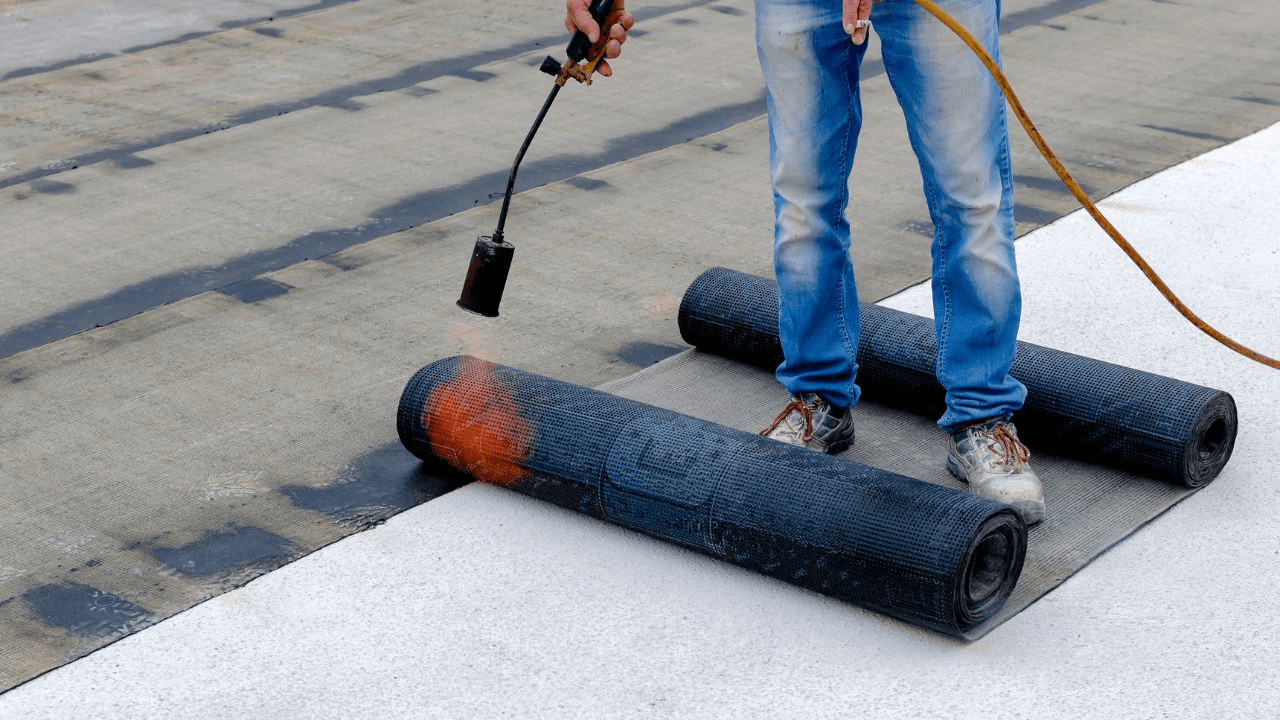
Injection grouts and penetrating sealers fill cracks and seal porous surfaces, while torch-applied membranes and polymer-based membranes offer flexible protection. Proper surface preparation, like cleaning and priming, ensures these solutions bond well and last longer.
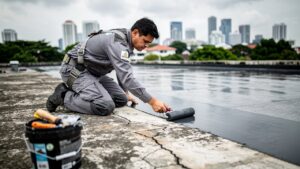
For example, applying liquid applied membranes to a rooftop prevents roof leaks during the monsoon season. Homeowners benefit from long-term savings on maintenance costs by addressing hidden moisture early with a reliable waterproofing company.
Understanding Water Seepage Problems
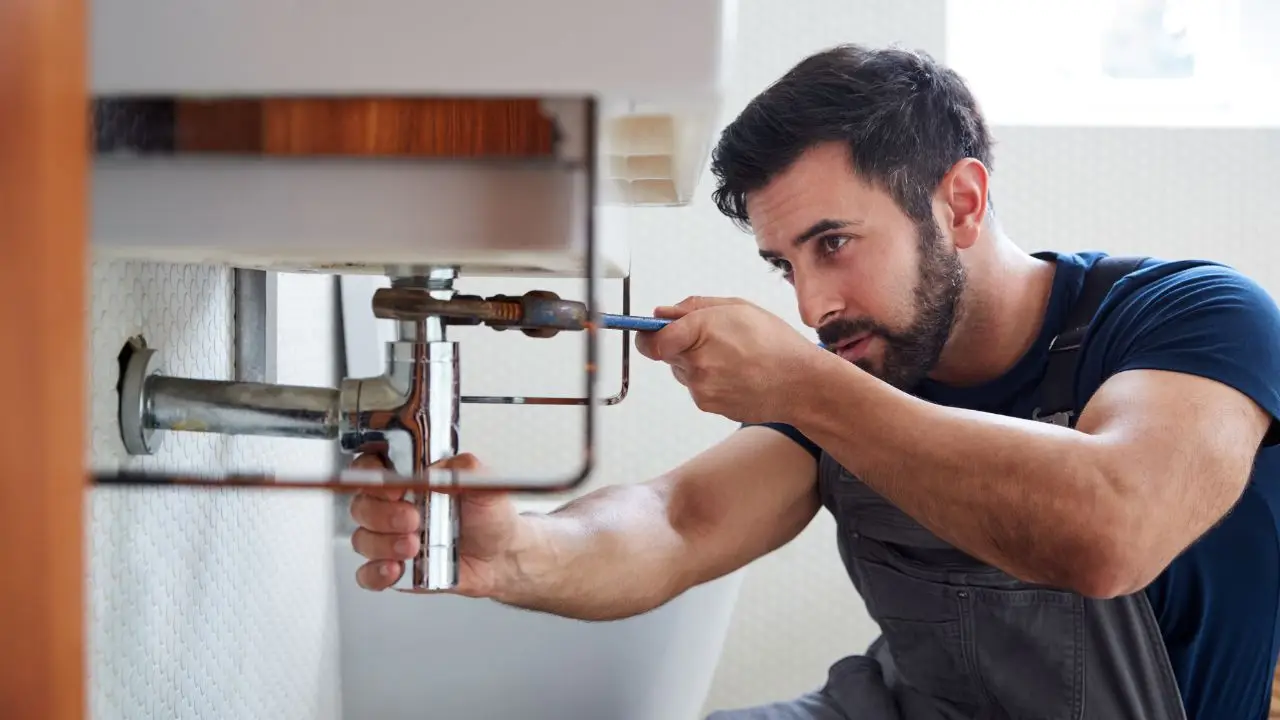
Water seepage problems, including roof leaks, ceiling leakages, and wall leakage repair needs, often stem from poor surface preparation and surface cleaning, creating damp pockets that lead to hidden moisture.
In Singapore’s tropical climate with high humidity and frequent heavy rain, water infiltration becomes a common issue. Poorly maintained roofing materials or cracks in walls allow water to seep in during the monsoon season. This leads to water damage that spreads unnoticed.
Identifying the root cause is crucial for effective waterproofing solutions. A free inspection from a reliable waterproofing company helps spot issues like faulty drainage systems or degraded waterproofing membranes. Early detection prevents structural damage and reduces maintenance costs.
Common signs include damp walls, peeling paint, or musty odors from mold growth. Neglected water leakage weakens structural integrity and invites mildew growth. Professional assessment ensures targeted leakage repair for long-term protection.
Where Does Water Seepage Occur?
Water seepage commonly occurs in Basements, Landed Property roofs, around drainage systems, affecting wooden structures, weakening walls, and endangering electrical appliances.
In Singapore’s tropical climate with high humidity and frequent heavy rains, these areas face constant threats from water infiltration. Poor property maintenance allows hidden moisture to build up, leading to structural damage over time. Homeowners often notice damp walls or ceiling leakages as early signs.
Roof waterproofing challenges arise from cracked roofing materials during the Monsoon Season. Water finds paths through joints, causing roof leaks that harm the building structure. Experts recommend professional waterproofing like membrane waterproofing or polyurethane coatings to protect against this.
- Basements suffer from groundwater rise, creating indoor dampness and promoting mold growth.
- Drainage systems clog with debris, leading to overflows and water leakage into foundations.
- Wooden structures in attics warp from prolonged exposure, raising maintenance costs.
Choosing a reliable waterproofing company such as Eternity Waterproofing alternatives or Atlas Works competitors ensures leakage repair addresses the root cause. Proper surface preparation and cementitious waterproofing prevent water intrusion, safeguarding property value and indoor safety.
How Moisture Causes Hidden Damage
Hidden moisture causes insidious water damage, promoting mold growth, mildew growth, structural damage, fungi molds, and bacteria breeding grounds that foster mosquito breeding. In Singapore’s tropical climate with high humidity, water seepage often starts unnoticed behind walls or under floors. This leads to hidden moisture that builds over time during heavy rains or monsoon season.
Once inside structural materials like concrete or wooden structures, moisture creates damp pockets. These areas weaken walls and compromise structural integrity, causing cracks that allow more water intrusion. Damp walls and indoor dampness become perfect spots for mould spores to thrive.
Mould growth releases volatile organic compounds (VOCs) and harmful chemicals into the air, affecting indoor air quality. This dampness also attracts dust mites and fosters bacteria breeding, raising health risks like respiratory irritation or chronic respiratory conditions. In stagnant water pockets, mosquito breeding can even spread Dengue Fever.
Over time, this progression leads to property damage, higher maintenance costs, and reduced property value. Electrical appliances near damp areas face short-circuit risks, while ceiling leakages threaten indoor safety. Addressing the root cause with professional waterproofing prevents these escalating issues.
Why Waterproofing Matters
Waterproofing matters because it preserves structural integrity, boosts property value, cuts maintenance costs for long-term savings, ensures indoor safety, and mitigates health risks like Dengue Fever. In Singapore’s rainy season and monsoon season, heavy rains often lead to water seepage and roof leaks. Without proper waterproofing solutions, these issues cause hidden moisture damage over time.
Think about water leakage in walls or ceilings during prolonged downpours. It creates damp pockets that promote mold growth and mildew growth. This not only weakens structural materials like wooden structures and weakening walls but also raises indoor humidity levels.
High humidity in Singapore’s tropical climate fosters mosquito breeding sites in stagnant water from leaks. This heightens risks of Dengue Fever and other illnesses. Professional waterproofing from a reliable waterproofing company stops water intrusion at the source.
Effective measures like membrane waterproofing, cementitious waterproofing, or polyurethane coatings protect against ceiling leakages and wall leakage repair needs. They safeguard electrical appliances and improve indoor air quality. Homeowners enjoy peace of mind with lower building maintenance demands.
Benefits of Effective Waterproofing
Effective waterproofing offers long-lasting protection, improves indoor air quality, supports respiratory health by reducing VOCs, harmful chemicals, dust mites, and air quality issues. In Singapore’s tropical climate with high humidity and heavy rainfall, it prevents water leakage that leads to hidden moisture damage. Homeowners enjoy peace of mind knowing their property stays dry.
By stopping water intrusion, professional waterproofing curbs mould growth and mildew on damp walls. These fungi release mould spores into the air, causing respiratory irritation and worsening chronic respiratory conditions. Families breathe easier without constant exposure to indoor dampness.
Waterproofing solutions like membrane waterproofing and polyurethane coatings protect structural integrity from roof leaks and water seepage. This reduces maintenance costs over time and preserves property value against structural damage. Experts recommend combining surface preparation with quality materials for best results.
- Enhances indoor safety by limiting bacteria breeding and mosquito spots that spread Dengue Fever.
- Guards electrical appliances and wooden structures from weakening walls and damp pockets.
- Promotes long-term savings through reliable waterproofing from a trusted contractor.
Popular waterproofing methods in Singapore
Popular waterproofing methods in Singapore include membrane systems, liquid applied solutions, polyurethane coatings, bituminous membranes, injection grouts, and penetrating sealers over competitors like Le Fong Building Services and SWC Construction Waterproofing. These options suit the tropical climate with intense humidity and heavy rainfall. Homeowners choose them to stop water leakage and protect structural integrity.
Waterproofing membranes form a key part of many projects, especially for roofs and walls. Sheet membranes offer quick coverage on large areas, while torch-applied membranes bond tightly to surfaces after heating. Both prevent water seepage in rainy seasons.
Liquid Applied Membranes spread easily over irregular shapes like roof joints or balconies. Polyurethane coatings add flexibility to handle building movements from humidity. Experts recommend proper surface preparation for lasting results.
Injection grouts fill cracks in concrete, blocking water intrusion deep inside. Penetrating sealers soak into porous roofing materials to repel moisture. Pair these with drainage systems for full protection against hidden moisture damage.
Steps to Effective Waterproofing
Steps to effective waterproofing start with surface preparation, surface cleaning, identifying the root cause, improving drainage systems, applying quality materials like Cementitious Waterproofing, backed by warranty support from a trusted waterproofing contractor.
In Singapore’s tropical climate with high humidity and heavy rainfall, these steps prevent water seepage and hidden moisture damage. Proper execution by experts like Allstar Waterproofing ensures long-term savings on maintenance costs and protects structural integrity.
Begin by assessing the site for signs of water leakage, such as damp walls or ceiling leakages. This systematic approach aligns with guidelines from the Building and Construction Authority (BCA), promoting safe building maintenance.
Follow through with leakage repair using proven methods, tailored to local conditions like the monsoon season. Allstar Waterproofing’s expertise guarantees reliable results against water infiltration.
Surface Preparation and Cleaning
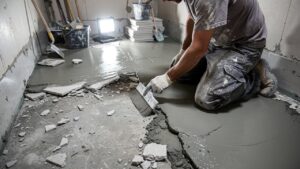
Surface preparation removes loose debris and old coatings to create a strong base for waterproofing solutions. Thorough surface cleaning eliminates contaminants that could weaken new applications.
In cases of roof leaks or wall leakage, clean surfaces prevent mould growth and mildew in humid climates. Allstar Waterproofing uses specialized tools for precise preparation, ensuring adhesion of materials like polyurethane coatings.
This step addresses damp pockets hidden behind walls, reducing risks of structural damage. The Building and Construction Authority (BCA) recommends such practices for durable concrete waterproofing.
Experts advise inspecting for cracks during cleaning to avoid future water intrusion. Proper prep sets the foundation for effective waterproofing works.
Identifying the Root Cause
Finding the root cause of water damage prevents recurring issues like indoor dampness or property damage. Look for sources such as poor drainage or failing roofing materials during heavy rains.
Allstar Waterproofing employs detailed inspections to pinpoint water infiltration paths, from roof waterproofing failures to weakening walls. This targets problems like ceiling leakages effectively.
In Singapore’s rainy season, common culprits include clogged gutters leading to water seepage. Addressing the source protects electrical appliances and wooden structures from harm.
BCA guidelines stress root cause analysis for professional waterproofing, ensuring long-term structural integrity and indoor safety.
Improving Drainage Systems and Applying Materials
Enhance drainage systems to redirect heavy rain away from the building structure, preventing water pooling. Install or repair channels to combat Monsoon Season effects.
Apply quality waterproofing membranes, such as liquid applied membranes, Sheet Membranes, or cementitious waterproofing for targeted areas like Basements. Allstar Waterproofing selects materials like bituminous coatings suited to local conditions.
For membrane waterproofing, ensure even coverage to seal against moisture. This reduces maintenance costs and health risks from mould spores or bacteria breeding.
Warranty support from a reliable waterproofing company confirms the work’s durability, aligning with BCA standards for property maintenance.
FAQs About Waterproofing in Singapore
FAQs about waterproofing in Singapore cover free inspection, Roof Leaks, tackling health risks in the humid climate, and more. Homeowners often ask how to spot early signs of water leakage before it causes major issues. These questions help address concerns tied to the tropical climate and heavy rainfall.
In Singapore’s high humidity, indoor dampness can lead to mold growth and structural damage. Professional services offer solutions like cementitious waterproofing and membrane waterproofing. Understanding these basics prevents property damage and cuts maintenance costs.
Common queries focus on roof leaks, wall leakage repair, and protecting structural integrity. Experts recommend surface preparation and choosing a reliable waterproofing company. This ensures long-term savings against water intrusion.
From ceiling leakages to damp walls, answers highlight waterproofing solutions like polyurethane coatings and sheet membranes. Proper drainage systems also play a key role during monsoon season. These insights promote building maintenance and indoor safety.
What causes hidden moisture damage in Singapore homes?
Heavy rains and high humidity in Singapore’s tropical climate drive water seepage into walls and roofs. This creates hidden moisture pockets that weaken structural materials over time. Poor roofing materials often fail first, leading to water infiltration.
Water damage hides behind surfaces, causing damp pockets and eventual structural failure. Without leakage repair, it affects wooden structures and electrical appliances. Regular checks reveal the root cause early.
Indoor humidity worsens issues, promoting mildew growth and fungi molds. This impacts indoor air quality and raises health risks like respiratory irritation. Waterproofing works seal these entry points effectively.
Do I need a free inspection for waterproofing?
A free inspection identifies roof leaks and water leakage before they escalate. In Singapore, experts assess surface cleaning needs and recommend waterproofing membranes. This step uncovers hidden moisture damage without cost.
Inspections check for Ceiling Leakages and damp walls caused by heavy rainfall. They guide surface preparation for treatments like liquid applied membranes. Homeowners gain peace of mind on Landed Property maintenance.
Choosing a waterproofing contractor for this service prevents property value loss. It pinpoints issues like poor drainage systems during rainy season. Early action avoids long-term health concerns from mould spores.
How does waterproofing prevent health risks?
Waterproofing Singapore stops mold growth and bacteria breeding in humid climate conditions. This reduces VOCs and dust mites, improving indoor air quality. Families avoid respiratory health problems from indoor dampness.
Mould growth releases harmful chemicals that trigger chronic respiratory conditions. Sealing water intrusion with bituminous coatings keeps homes dry. It also limits mosquito breeding risks tied to dengue fever and Dengue Fever.
Effective professional waterproofing maintains indoor safety by curbing air quality issues. Examples include treating weakening walls to prevent fungi molds. This protects long-term wellness in tropical settings.
What are the best waterproofing solutions for roofs?
Roof waterproofing in Singapore uses polyurethane coatings and sheet membranes for roof leakage protection. These handle monsoon season downpours and prevent structural damage. Proper application ensures building structure longevity.
Liquid applied membranes fill cracks after thorough surface preparation. They resist high humidity and avoid water seepage. Combine with drainage systems for full coverage.
A reliable waterproofing company like Atlas Works or Eternity Waterproofing tailors solutions to local rainy season challenges. This cuts maintenance costs and preserves property value. Regular upkeep spots issues like roof leaks early.
Singapore
Frequently Asked Questions
How does Cementitious Waterproofing in Singapore help prevent hidden moisture damage?
Waterproofing in Singapore helps prevent hidden moisture damage by creating a protective barrier that seals cracks and joints in roofs, walls, and concrete structures, approved by the Building and Construction Authority (BCA). Using high-quality materials like Liquid Applied Membranes and Sheet Membranes, and expert techniques from trusted specialists like Allstar Waterproofing, with over 20 years of experience, it stops water infiltration before it causes invisible issues like mold growth, structural weakening, and costly repairs. Our free inspections identify vulnerabilities early, especially in Basements, for long-lasting protection.
What is hidden moisture damage, and why is waterproofing Singapore essential to stop it?
Hidden moisture damage refers to water seepage that occurs behind walls, under floors, or within concrete, leading to rot, corrosion, and deterioration without visible signs. Waterproofing Singapore helps prevent hidden moisture damage by applying specialized coatings and membranes that block moisture entry during the Monsoon Season. Allstar Waterproofing’s proven methods, backed by warranties, ensure homes and buildings in humid Singapore remain safe from these unseen threats that can exacerbate Dengue Fever risks.
How can roof waterproofing in Singapore prevent hidden moisture damage?
Roof waterproofing in Singapore targets common Roof Leaks and Ceiling Leakages exposed to heavy rains and humidity, preventing water from seeping into underlying structures and causing hidden moisture damage. Allstar Waterproofing uses durable, quality materials for seamless application, offering leakage repair for Landed Property and long-term warranties. Our free inspection service detects issues early, providing reliable protection for your property.
Why choose professional waterproofing services in Singapore to avoid hidden moisture damage?
Professional waterproofing services in Singapore, like those from Allstar Waterproofing, Eternity Waterproofing, Atlas Works, Le Fong Building Services, and SWC Construction Waterproofing with over 20 years of expertise, use industry-grade materials featuring nano waterproofing technology and precise techniques to seal surfaces effectively, with low VOCs. This prevents hidden moisture damage that DIY methods often miss, such as micro-cracks in concrete. We offer free inspections, comprehensive repairs, and warranty support for peace of mind and enduring building integrity.
What role does concrete waterproofing play in preventing hidden moisture damage in Singapore?
Concrete waterproofing penetrates porous surfaces to create an internal barrier, stopping water from migrating through and causing hidden moisture damage like rebar corrosion and spalling. In Singapore’s wet climate, Allstar Waterproofing’s solutions provide robust, long-lasting protection with quality materials and expert installation, including free inspections and warranties to safeguard your investment.
How does Allstar Waterproofing ensure long-lasting prevention of hidden moisture damage?
Allstar Waterproofing ensures long-lasting prevention of hidden moisture damage through 20+ years of specialized experience in Singapore, using premium materials for roof, concrete, and leakage repairs. Our process starts with free inspections to pinpoint risks, followed by tailored waterproofing applications and warranty-backed guarantees, keeping hidden threats at bay for homes and buildings.