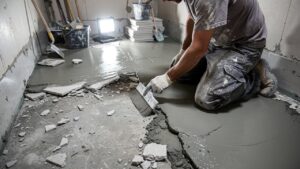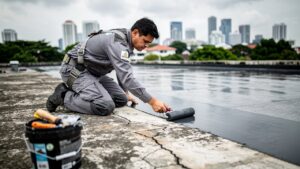
As the waterproofing membrane and screed within a floor slab experience natural wear and tear, cracks may develop and allow moisture to enter.
A water seepage wall problem is more than a minor inconvenience. Excess moisture, rising damp and condensation can create suitable conditions for mould growth, potentially affecting indoor air quality and occupants’ well-being.
Singapore’s humid, tropical climate makes properties especially prone to moisture-related issues. Prolonged exposure to heat and humidity can accelerate the deterioration of building materials and increase the likelihood of water finding its way through weakened surfaces.
If left untreated, seepage may weaken walls and ceilings, damage surface finishes and create safety concerns when water comes into contact with electrical fittings.
Are persistent water stains or damp patches appearing on your walls or roof? Continue reading to understand the common causes and practical solutions for protecting your property from further moisture damage. Addressing the issue early not only helps preserve your property’s structural integrity but also prevents more costly repairs down the line, giving you greater peace of mind for years to come.
What Causes Water Seepage on Walls?
Structural Cracks
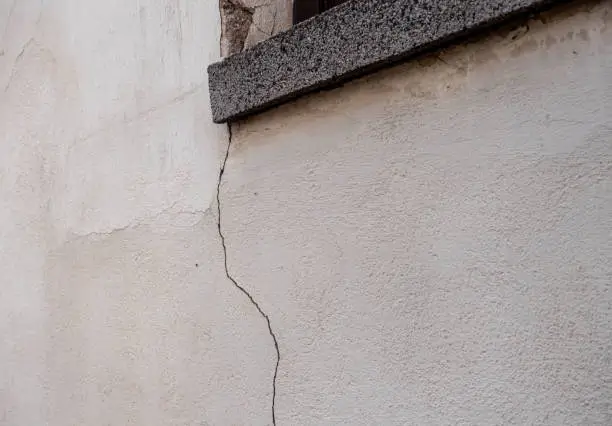
One of the primary culprits behind water seepage is structural cracks. Factors such as foundation settling, temperature variations, and soil movement contribute to these cracks.
These minute openings allow excessive moisture, such as warm water and humid air, to infiltrate the interior walls, causing damage over time. This process often leads to visible water seepage wall issues.
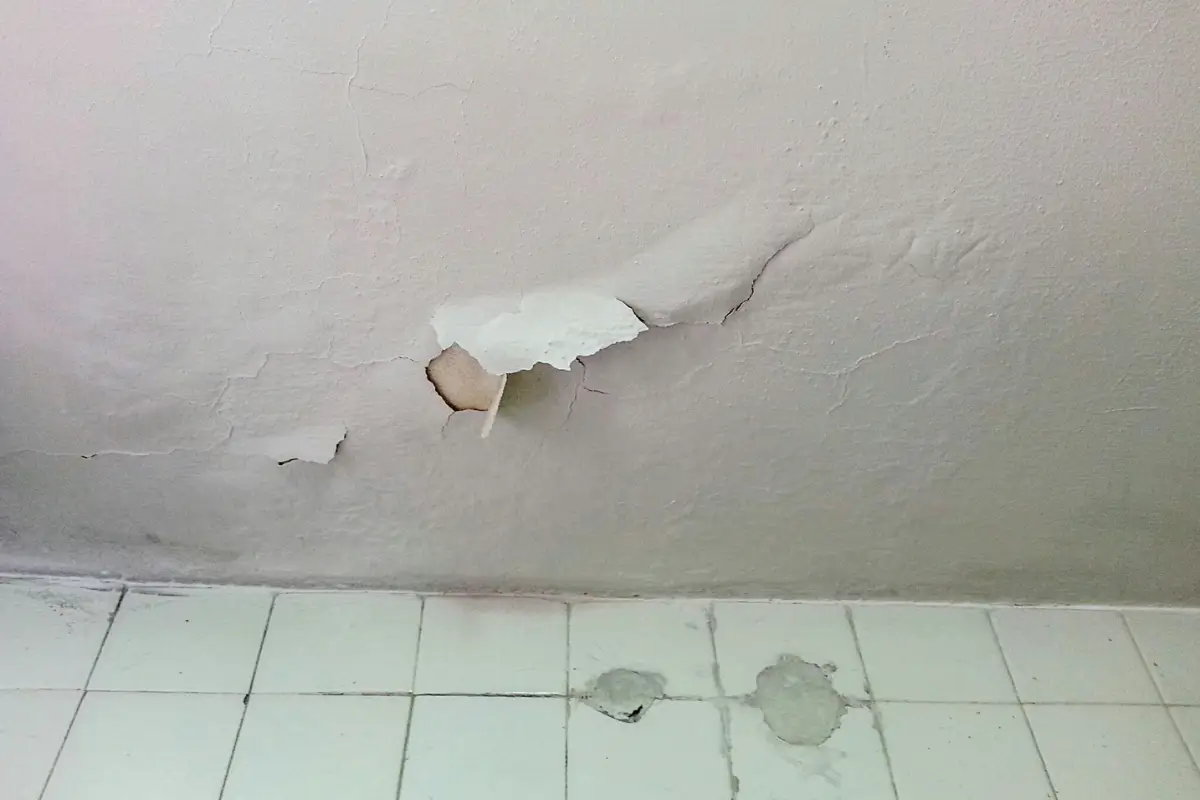
This may look like bulges and a large water stain on the affected area, caused by moisture from trapped air in the wall and the paint.
While using a hair dryer to remove water stains is a viable short-term solution, the stained surface area can spread to other rooms- making it hard to get rid of.
Plumbing Leaks
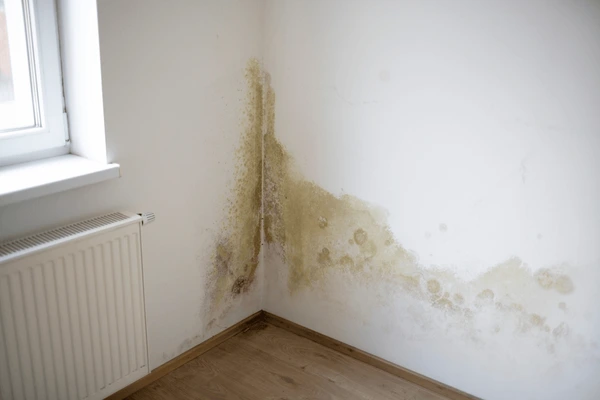
The joints and connections in your plumbing system are vulnerable areas prone to leaks. Seals, fittings, and even the pipes themselves may wear out over time, leading to weakened areas and, eventually, plumbing leaks.
You can tell you’ve got a plumbing leak if you spot damp patches, water stains, or bulges in the interior walls. You may even catch some water dripping from the ceiling or wall.
Beyond the immediate inconvenience, water leakage caused by plumbing leaks might be an indication of a more significant problem, potentially leading to danger and increased structural erosion of the exterior walls, roof and the house itself.
What Can You Do to Address These Issues?
At Home Remedies
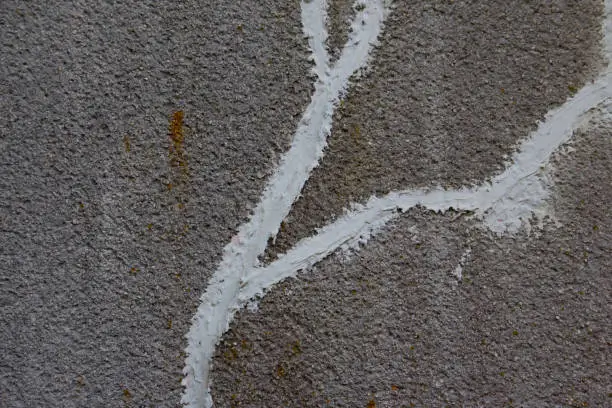
If you can identify the source of the leak, consider using temporary sealing materials to slow down or stop the leakage temporarily. For small cracks or holes, items like epoxy putty or pipe repair tape can effectively contain the leak until professional repairs can be conducted.
For mould removal, the most efficient way would be with commercial mould removal solutions. However, there are also DIY methods with common household items that can help:
Mix a solution of 1 part bleach with 3 parts water in a spray bottle. Spray on the affected area and leave for 20 minutes before wiping with a damp cloth.
Create a paste of baking soda with water. Apply to the affected area and use a brush to remove the stains.
To prevent mould from returning, make use of proper ventilation and dehumidifiers in your living space.
Contact a Professional
If the issue persists and your walls continue to show signs of seepage and damage, then it would be wise to call a professional. Professionals are able to identify the exact reason for your water seepage wall and apply advanced techniques, such as;
Polyurethane (PU) Injection: A chemical solution is injected into affected areas, and upon contact with water or air, it expands to seal air and concrete pores and wall cracks.
Flood Infusion Treatment: The treatment solution enables concrete to self-seal through needle-like crystals that penetrate concrete pores, effectively sealing and blocking water penetration through porous materials.
Nano Technology Coating: This liquid-applied coating allows nanoparticles to deeply penetrate pores and holes without obstructing the substrate surface, thus imparting water-repellent properties.
Allstar Waterproofing offers comprehensive solutions to address your wall waterproofing and crack repair needs, including professional wall waterproofing and structural or non structural wall crack repair services.
Conduct Regular Inspections
This is less of a solution and more of a preventative suggestion. To stay ahead of potential roof leaks and wall seepage issues, we strongly recommend conducting a professional wall and roof inspection at least twice a year.
Hire a professional to take a look at the exterior walls and ceilings, as well as to check damp patches on internal walls. It is important for a professional to take a look at it as they are qualified to provide solutions and can prevent further damage to your walls.
Resolve and Prevent Water Seepage In Your Home with Allstar Waterproofing!
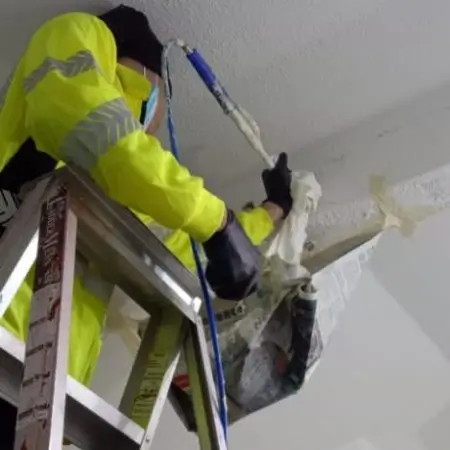
Being aware of what to look for when looking at walls and ceilings will allow you to take proactive measures to protect your house from further damage and roof leaks.
At the first sign of damp patches, call on Allstar Waterproofing to promptly repair and protect your home from further damage!
Our specialists have waterproofed more than 3000 homes and businesses in the last 20 years- allowing you to rest easy knowing that we have the perfect solution for every leaky challenge.
Contact us for an in-depth consultation, or reach out for a no-obligation quote today!