Introduction
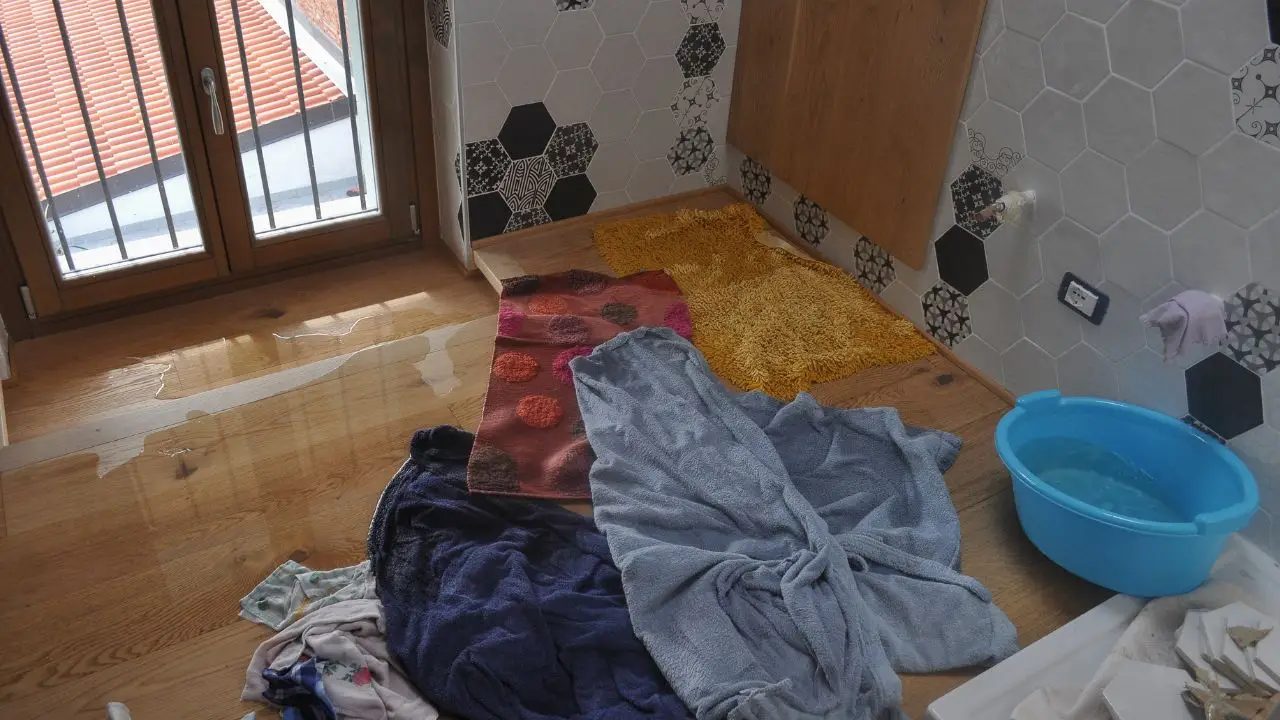
A water seepage contractor fixes basement leaks by finding the exact entry points, sealing cracks from within the concrete, adding waterproofing layers, and testing that everything stays dry. For a leaking basement, they do not just paint the wall. They inspect, inject resin into cracks, apply membranes on the positive or negative side, improve drainage where needed, then flood‑test again until the seepage stops.
In Singapore’s humid climate, that slow trickle often turns into mold, peeling paint, and damaged stock or equipment. Left alone, seepage in basements and lower floors can weaken concrete and corrode rebar, which means higher repair bills later.
This guide explains what water seepage really is, how it damages homes and commercial units, what a professional water seepage contractor actually does, how much repairs usually cost in Singapore, and how to pick a trustworthy specialist. It also shows how online visibility, clear service information, reviews, and proof of past work help good contractors win trust fast.
Keep reading to learn how to stop leaks at the root before the next heavy storm makes them worse.
Key Takeaways
- Water seepage spreads quietly. It can look minor at first, yet it moves through walls, ceilings, and foundations. In Singapore’s wet climate, that slow spread speeds up, especially in basements and ground floors. The longer it runs, the more it eats into structure, health, and cash flow.
- Good contractors follow a clear repair flow. Every property owner should understand the basic six‑step repair process used by a reliable water seepage contractor. That process starts with diagnosis and ends with testing and reinstatement, not just a quick coat of paint. Knowing this helps you read quotations with confidence.
- Warning signs are easy to spot once you know them. Red flags for unreliable contractors include no proper inspection, vague “waterproofing works” quotes, no mention of testing, and weak or missing warranties. These warning signs matter for HDB units, condos, shophouses, and commercial spaces.
- Long‑term protection comes from the right partner. Strong results come from choosing a waterproofing partner who finds the source, uses suitable systems, and explains maintenance clearly. Many Singapore owners work with specialists such as Allstar Waterproofing & Services that focus on lasting repairs. To reach owners when leaks first appear, contractors need clear online information, helpful content, real reviews, and visible proof of past work.
What Is Water Seepage And Why Can’t You Afford To Ignore It?
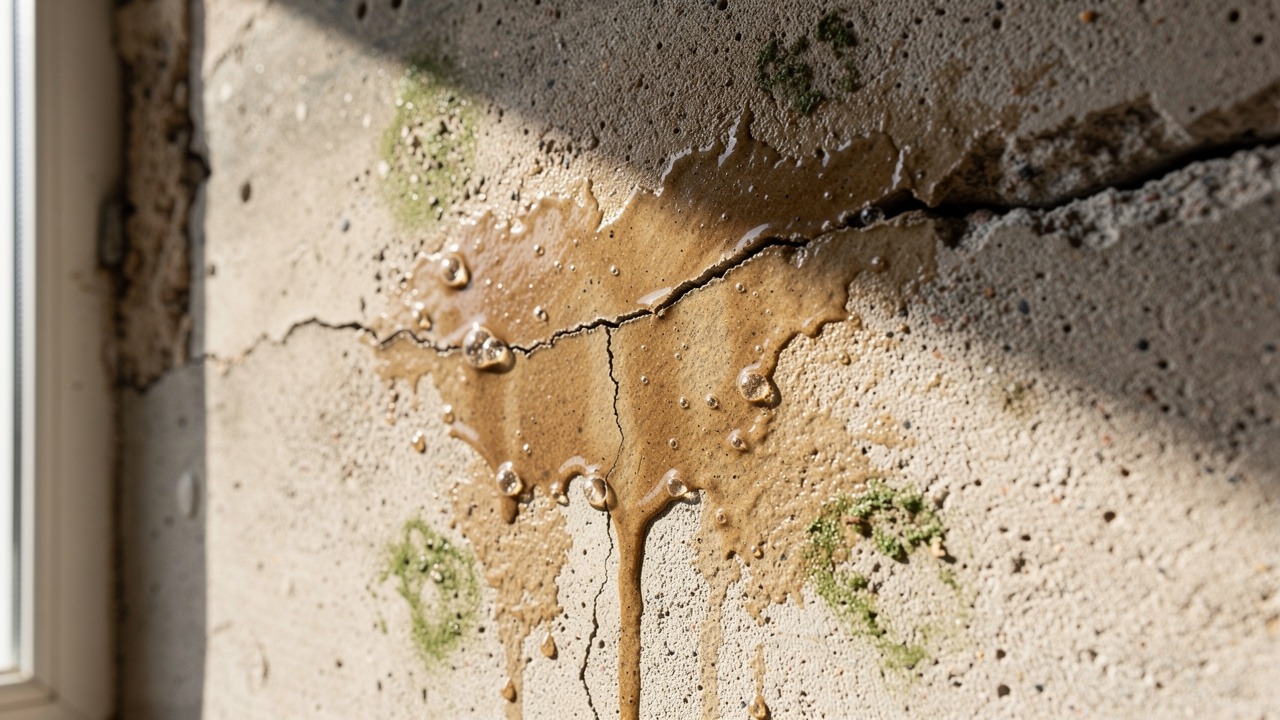
Water seepage in buildings means slow, repeated water movement through walls, floors, ceilings, or foundations instead of a sudden, visible burst. It often shows up as stains, bubbling paint, or a damp smell while most of the water hides inside concrete or brick. Because seepage builds layer by layer, many owners treat it as cosmetic until serious damage appears.
In Singapore, heavy rain and high humidity make seepage much more common. According to the Meteorological Service Singapore, the country receives about 2,400 millimeters of rain a year, with relative humidity around eighty percent. That constant moisture keeps concrete and plaster damp, which gives seepage an easy path to spread.
The damage does not stop at ugly walls. Prolonged dampness allows mold and mildew to grow, which affects indoor air quality and can trigger breathing issues. The World Health Organization notes that damp and moldy indoor spaces are linked to higher rates of asthma symptoms and respiratory infections. Inside the structure, water speeds up carbonation of concrete and corrosion of steel reinforcement, which weakens slabs, beams, and columns over time a process detailed in the Analysis of seepage failure research published in Scientific Reports.
For SME owners running warehouses, shops, clinics, or offices, seepage also creates direct business risks. Think of damaged inventory in a wet store room, slippery floors in public areas, or staff falling sick from poor air. Ignoring seepage can turn a manageable repair into a structural and legal headache, which is why professional help is far safer than repeated DIY patching.
“If you can smell dampness or see mold, the problem has usually been there far longer than you think.” — Common advice from building inspectors in Singapore
The Most Common Sources Of Seepage In Singapore Properties
The most common sources of water seepage in Singapore properties sit in a few familiar spots:
- Roofs and ceilings. Roofs and ceilings often top the list, especially on older HDB blocks, condos, and shophouses. Cracked tiles, torn membranes, or corroded flashing let rainwater travel through the slab, which then appears as stains or drips on the ceiling below.
- Bathrooms and wet areas. Bathrooms and other wet areas create another major group of seepage problems. When waterproofing under floor tiles breaks down, water seeps through the slab and shows up on the ceiling of the unit below. Many inter‑unit disputes in HDB and condo estates start with this type of bathroom leak.
- External walls and windows. External walls and windows also play a part. Hairline cracks in render, gaps around window frames, and aged sealants allow wind‑driven rain to soak into the wall. Over time, this moisture leads to peeling paint, hollow patches, and, in some cases, internal mold.
- Basements, car parks, and underground spaces. These areas face seepage from surrounding soil and groundwater. Hydrostatic pressure pushes water through foundation walls and slabs, especially if the original waterproofing membrane has aged beyond its design life, which the Building and Construction Authority notes is often around ten to fifteen years.
Spotting which of these sources is causing the problem is the first step a water seepage contractor in Singapore will take before recommending any repair method.
What Does A Professional Water Seepage Contractor Actually Do?
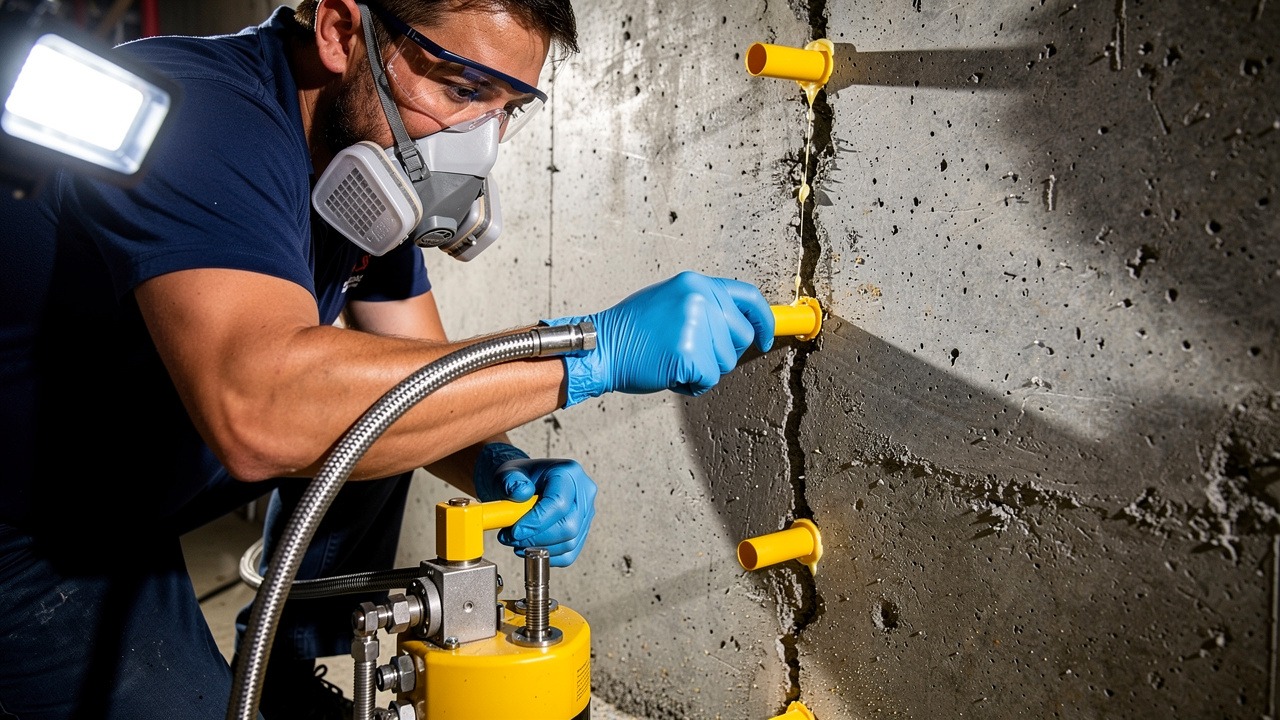
A professional water seepage contractor follows a structured process that starts with finding the real leak path and ends with proof that the area stays dry. For a basement leak, that means inspecting both inside and outside surfaces, checking drains, testing the wall or slab, treating cracks or joints, applying suitable waterproofing systems, and carrying out ponding or hose tests. The goal is to solve the cause of seepage, not just hide stains.
The first step is detailed site investigation. Contractors look at stain patterns, use moisture meters to map damp zones, and may use thermal imaging cameras to detect cooler, wet areas behind finishes. For bathrooms, roofs, and podium decks, they often run water ponding tests, where they flood a confined area and check the underside for moisture over a fixed period.
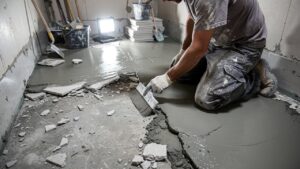
Once they understand the seepage route, preparation begins. This can include hacking loose tiles, removing blistered render, grinding surfaces, or opening up small sections of slab to reach a crack. Proper preparation gives new membranes or injection materials a clean, solid surface to bond to, which extends the life of the repair and reduces the chance of repeat work.
After preparation, the contractor treats cracks and joints and applies the main waterproofing system. For basement leaks, this often includes polyurethane injection to seal live cracks from within and crystalline or cementitious coatings on the inner face of walls, consistent with methods outlined in the Diagnosis and Systematic Treatment study on seepage hazards in shield tunnels. Roofs and decks might get torch‑applied or liquid membranes. Finally, they carry out testing, such as another ponding test, before reinstating tiles, screed, or paint and handing over a warranty.
A simple way to think about the workflow is:
- Inspect and diagnose the seepage path.
- Test the suspected area (for example, ponding or hose tests).
- Prepare the surface by hacking, cleaning, and exposing cracks or joints.
- Seal cracks and joints with injection or repair mortar.
- Apply the chosen waterproofing membrane or coating.
- Test again, then reinstate finishes and issue a written warranty.
“Do not skip testing just because it adds a day or two. It is the only way to know if the leak has truly stopped.” — Practical tip many waterproofing specialists share with owners
Waterproofing Systems Used By Seepage Contractors In Singapore
Water seepage contractors in Singapore use several main waterproofing systems, and each suits different locations and leak patterns:
- Crystalline waterproofing. This works by penetrating concrete and forming crystals within tiny pores and micro‑cracks. It is widely used for basements, lift pits, and water tanks where access to the outer surface is hard.
- Cementitious coatings. Often polymer‑modified, these are applied as a slurry to floors and walls in bathrooms and other wet areas before tiling. They are relatively straightforward to apply, bond well with concrete, and suit internal spaces that do not face heavy movement. Many HDB and condo bathroom repairs use this type of membrane after tile hacking.
- Polyurethane and epoxy injection. For active cracks with flowing water, contractors often choose polyurethane (PU) injection grouting. They drill into the crack line, insert injection ports, and pump in PU resin, which foams and expands on contact with water to form a flexible seal inside the structure. Where the main need is to restore structural strength, epoxy injection may be added after seepage is under control.
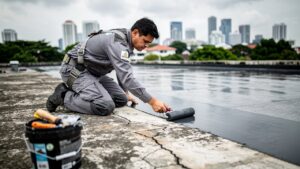
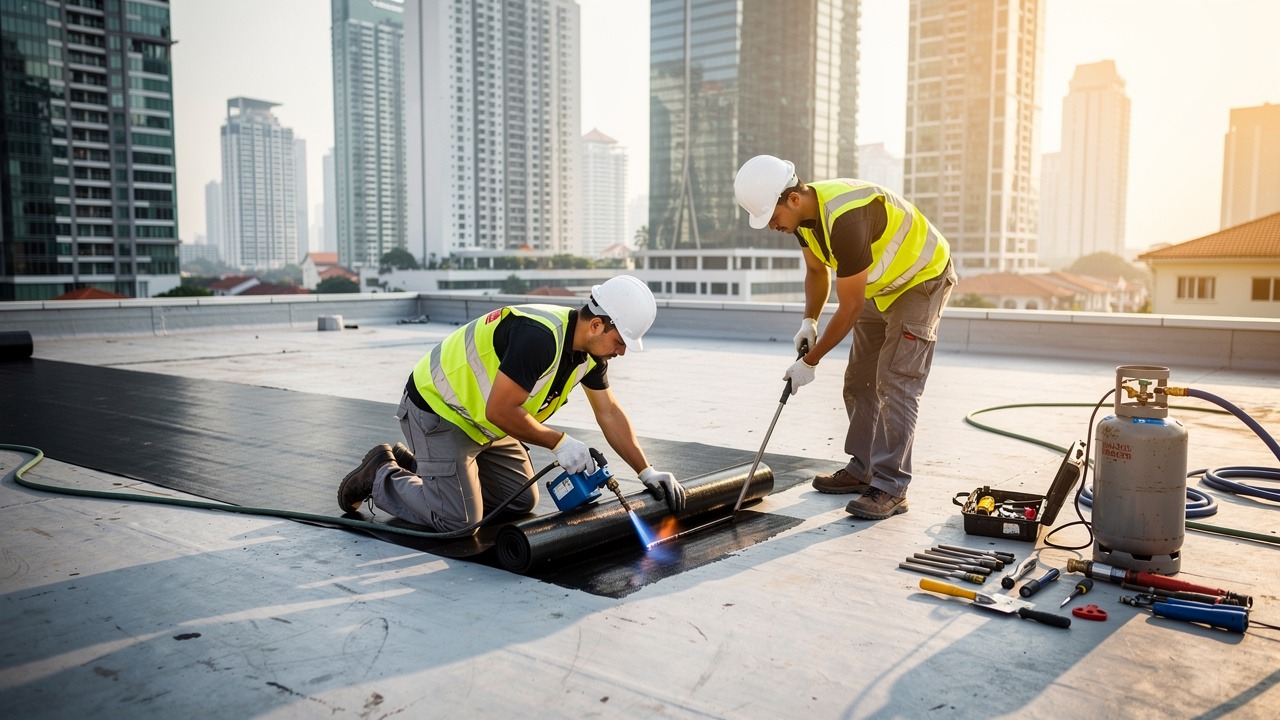
- Torch‑on bituminous membranes. Flat commercial roofs, podium decks, and some large condo roofs commonly rely on torch‑on bituminous membranes. These sheet membranes are heated and fused to the substrate, creating a continuous barrier when correctly lapped and detailed.
- Liquid‑applied membranes. Liquid‑applied membranes, such as polyurethane or acrylic coatings, are popular on irregular surfaces like balconies, planters, and complicated roof shapes, where sheet materials are harder to handle.
Choosing the right system is part science and part experience, which is why property owners benefit from working with an experienced seepage contractor in Singapore rather than guessing with DIY products.
How To Choose The Right Water Seepage Contractor In Singapore
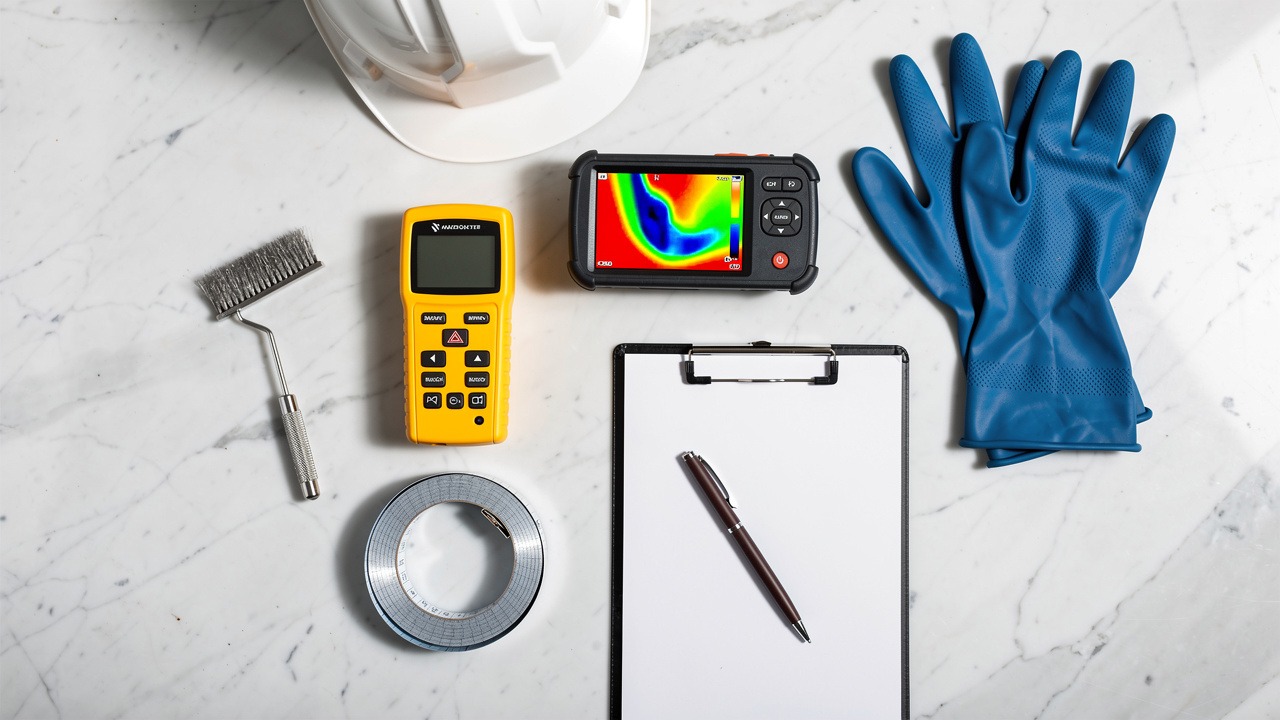
Choosing the right water seepage contractor in Singapore protects both your property and your wallet. A skilled, honest contractor diagnoses before quoting, explains their method, and stands behind their work with clear warranties. A poor choice often means repeat leaks, more hacking, and paying twice for the same area.
As a reference point, many owners work with established specialists such as Allstar Waterproofing & Services, which focuses on homes, condos, commercial, and industrial sites across Singapore. Good firms hold relevant Building and Construction Authority registration, send experienced inspectors on site, and give written scopes with itemized work and warranty terms. They are also comfortable having their projects and reviews visible online.
Here is the catch: cheap and vague waterproofing jobs often leave out preparation and testing, which are the stages you cannot see once tiles go back in. That is why property owners benefit when details are clear up front and backed by a traceable record, including reviews, case studies, photos, and written scopes.
When comparing waterproofing companies:
- Look for proper licensing, on‑site diagnosis, and written scopes. A reliable contractor will show BCA or HDB registrations, ask detailed questions about the leak history, and explain why they propose a particular system. If someone offers a flat price by phone without inspection, treat that as a warning sign.
- Check warranties, insurance, and track record. Solid companies give one‑ to five‑year workmanship warranties in writing, hold public liability insurance, and can show photos or references from similar HDB, condo, or commercial jobs. Online reviews on platforms like Google and case studies on their own site help you check this quickly.
- Pay attention to how they communicate and document. A trustworthy water seepage contractor explains testing methods like ponding or hose tests and confirms that they will do them after curing. Reliable contractors should highlight these steps clearly on their websites, quotations, and project documents so owners know exactly what they are paying for.
“A cheap repair that fails in twelve months usually costs more than doing it right the first time.”
How Much Does Water Seepage Repair Cost In Singapore?
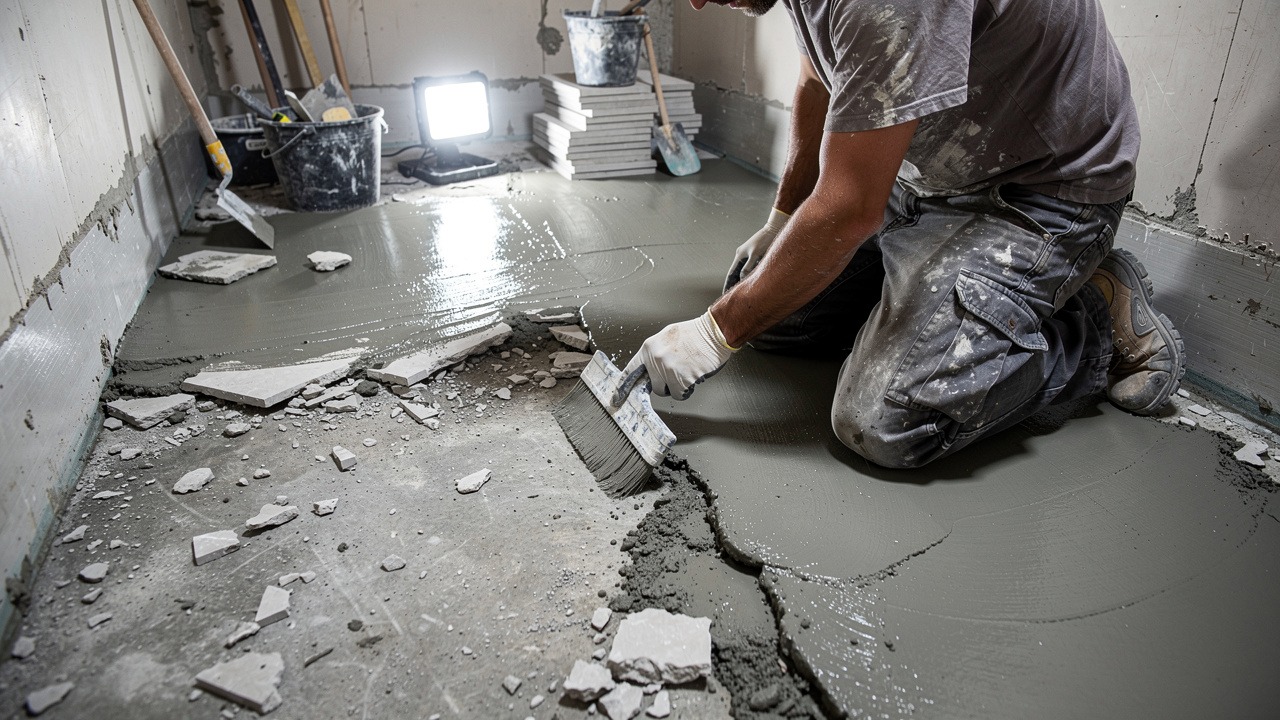
Water seepage repair costs in Singapore vary with location, severity, and access, yet some typical ranges can guide your budgeting. According to pricing published by firms such as Allstar Waterproofing & Services and other local specialists, simple external sealing sits at the lower end, while full rooftop systems and basement injection can sit much higher. Commercial owners should also consider business disruption costs if key areas must close during works.
Here is a simple reference table many owners use when planning. Actual quotations depend on site inspection, materials, and required hacking or reinstatement.
| Repair Type | Estimated Cost Range In SGD |
| Minor crack sealing or external wall sealant for a standard unit | 300 to 1,500 |
| Bathroom waterproofing with tile hack and reinstatement per bathroom | 2,000 to 6,000 |
| Rooftop waterproofing membrane replacement for condo or flat commercial roofs | 5,000 to 30,000 plus |
| Polyurethane injection for active structural cracks per injection port | 80 to 200 |
These numbers may feel high until you compare them with repeated patch jobs that fail after a year or two. Many quick fixes rely on thin surface coatings that peel or crack under movement, while properly designed systems can last ten to fifteen years when maintained, as described by the Building and Construction Authority. For SME owners, the Inland Revenue Authority of Singapore generally treats genuine repair and maintenance costs for commercial premises as deductible business expenses, though your tax adviser should confirm the details.
It still makes sense to collect at least three quotations, but price should never be the only filter. Compare scope, preparation steps, testing, and warranty terms side by side. Contractors who present this information clearly on their websites and quotations make it far easier for you to choose based on value instead of headline price.
Start Fixing The Problem At The Root Not Just The Surface
Start Fixing The Problem At The Root – Not Just The Surface
Water seepage is more than a stain on paint. It is a sign that water is moving through the structure, and each rainy week makes that path a bit wider. Left alone, it quietly eats into concrete, steel, finishes, and even your staff or family’s health.
The real fix starts with a proper diagnosis from a professional water seepage contractor, followed by suitable membranes, injections, and thorough testing an approach aligned with the Analysis of seepage failure research on prevention and control strategies for structural seepage. Contractors such as Allstar Waterproofing & Services focus on these root causes, which is why many Singapore owners turn to similar specialists for lasting repairs instead of short‑term patching.
Do not wait for the next monsoon burst to make the leak worse. Arrange a detailed inspection, ask for a written quotation that covers preparation, waterproofing, and testing, and schedule the work while access is still manageable. Fixing seepage at the source now is far cheaper than dealing with structural repairs and business downtime later.
Frequently Asked Questions
Water seepage questions often surface only after damage appears, and owners feel unsure where to start. This section gives short, clear answers so you can act with more confidence before calling a water seepage contractor.
Question: How Do I Know If I Have Water Seepage Or Just Condensation?
Water seepage shows as stains, bubbling paint, or damp patches that keep returning in the same spot. Condensation usually forms droplets on cold pipes, windows, or air‑conditioning units and dries once the area warms up or ventilation improves. A contractor can confirm the difference with a moisture meter and visual inspection.
Question: Who Is Responsible For Water Seepage Between HDB Or Condo Units?
Responsibility usually lies with the unit where the leak starts, often the upper‑floor bathroom or balcony. For HDB flats, the housing board has a ceiling leak process that guides joint repairs and cost sharing, while condos follow rules under the building’s Management Corporation Strata Title framework. A written diagnostic report from a waterproofing contractor is helpful evidence if matters reach the Community Disputes Resolution Tribunal.
Question: How Long Does A Water Seepage Repair Typically Take?
Minor crack sealing or short polyurethane injection jobs often finish within a day. Bathroom tile hack and re‑waterproofing usually take several days to about a week, depending on drying and curing time. Full rooftop membrane replacement on condos or commercial blocks can range from one to three weeks or longer for very large areas.
Question: What Warranty Should I Expect From A Water Seepage Contractor In Singapore?
Most reputable contractors offer workmanship warranties of one to five years, depending on the system and location. Some manufacturers provide longer material warranties on roofs or decks. Always insist that warranty terms are written into the quotation and cover both labor and materials for reasonable remedial work, not just a simple re‑coating.
Question: Can Water Seepage Repairs Be Claimed As A Business Expense In Singapore?
For commercial and industrial premises, seepage repair and waterproofing usually count as maintenance rather than improvement. The Inland Revenue Authority of Singapore generally allows genuine repair and maintenance costs as deductible business expenses. Still, it is wise to confirm your specific project with a qualified tax professional or accountant.