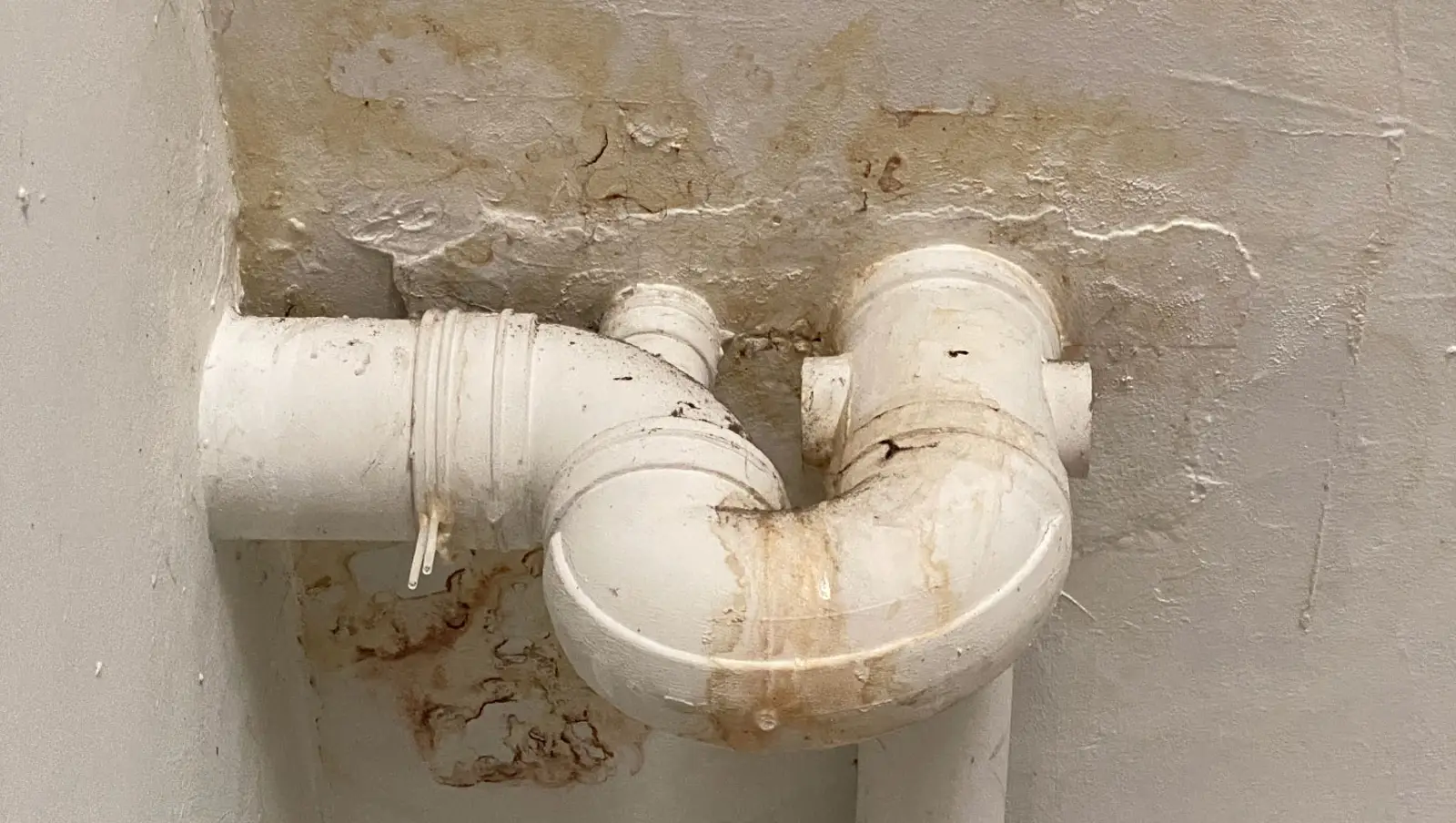
Water seepage through a wall usually means moisture is entering through cracks, weak sealant, failed waterproofing, roof defects, or hidden leak paths. In Singapore’s rainy and humid climate, even a small wall crack can allow enough water in to cause peeling paint, damp patches, mould, and damaged plaster.
A lasting repair starts with proper diagnosis. The goal is to find where the water enters, repair that source, then restore the affected wall. Allstar Waterproofing & Services provides water seepage and water leakage repair, roof waterproofing, wet area waterproofing, concrete repair, roof repair, and rope access services for residential, commercial, and industrial properties in Singapore.
What Is Water Seepage in Walls?
Water seepage happens when moisture slowly passes through wall materials instead of flowing from an obvious burst pipe. It may travel through concrete, brick, plaster, wall joints, window frames, roof edges, or exterior cracks before showing up indoors.
Common signs include:
- Damp patches after rain
- Peeling or bubbling paint
- White powdery deposits on the wall
- Musty smells
- Mould growth
- Crumbling plaster
- Hairline cracks
- Stains around windows or wall corners
If the same patch returns after repainting, the wall likely has an active moisture problem.
Why Wall Seepage Is Common in Singapore
Singapore properties face frequent rain, high humidity, and strong sun exposure. These conditions cause exterior surfaces, sealants, and coatings to expand, contract, age, and weaken over time.
Wall seepage is common in:
- Older HDB flats and condominiums
- Landed homes with exposed external walls
- Commercial units with façade cracks
- Top-floor or corner units
- Buildings with roof or balcony defects
- Properties with worn window sealant
Allstar Waterproofing states that its team diagnoses and repairs water seepage in the wall and leakage issues on both interior and exterior walls.
Common Causes of Water Seepage Walls
Exterior Wall Cracks
Small cracks in plaster, concrete, or render can let rainwater enter. Over time, these cracks widen and feed moisture into the wall.
Failed Waterproofing
Roofs, balconies, parapet walls, and wet areas depend on waterproofing layers. When these layers age or fail, water can travel downward or sideways into walls.
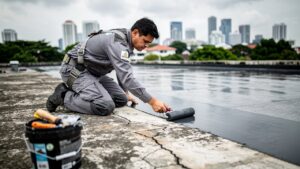
Allstar provides roof waterproofing for metal, tile, and flat concrete roofs, as well as wet area waterproofing for bathrooms, toilets, kitchens, balconies, and swimming pools.
Worn Sealant Around Windows
Window frames, pipe penetrations, and façade joints need proper sealing. Once sealant cracks or separates, rainwater can enter behind the frame and appear as stains indoors.
Poor Drainage
Blocked gutters, roof outlets, planters, or terrace drains allow water to pond against walls. Constant contact with water increases seepage risk.
Concrete Damage
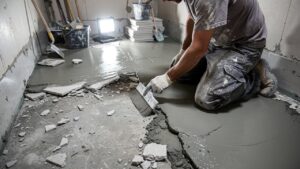
Long-term moisture can lead to concrete spalling, rusted reinforcement, and structural or non-structural cracks. Allstar provides concrete repair for spalling and crack issues.
How Professionals Diagnose Wall Seepage
A proper inspection checks both the visible damage and the possible source. Contractors may inspect roofs, balconies, exterior walls, windows, drainage points, and nearby wet areas.
A useful inspection should answer:
- Is the seepage rain-related or constant?
- Is the source outside, above, or inside the wall?
- Is waterproofing, sealant, concrete, or plumbing involved?
- Is hacking needed, or can repair be done externally?
- What areas must be dried and reinstated after repair?
Allstar highlights free comprehensive inspections and clear quotations to help owners understand the issue and work scope before repairs begin.
How Wall Seepage Is Repaired
The repair method depends on the source.
Common repair methods include:
- Sealing exterior cracks
- Applying waterproof coatings or membranes
- Replacing failed window or joint sealant
- Repairing roof or balcony waterproofing
- Treating concrete spalling
- Repairing damaged plaster after drying
- Using rope access for hard-to-reach external walls
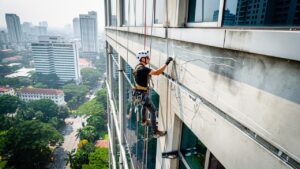
For high-rise or difficult-access areas, Allstar offers rope access services by IRATA-certified professionals, allowing maintenance and repair work in challenging locations.
FAQ
What causes water seepage through walls in Singapore?
Common causes include exterior wall cracks, failed waterproofing, worn window sealant, roof defects, blocked drainage, and concrete damage.
Can I fix wall seepage by repainting?
No. Repainting only hides stains. The seepage source must be repaired first, then the wall should dry before plaster repair and repainting.
How long does wall seepage repair take?
Small sealant or crack repairs may be completed quickly. Larger waterproofing, roof, façade, or concrete repair work may take several days or longer depending on access and severity.
Does Allstar Waterproofing repair wall seepage?
Yes. Allstar Waterproofing & Services provides water seepage and water leakage repair for interior and exterior walls, along with roof waterproofing, concrete repair, and rope access services in Singapore.